

The world stands on the precipice of an unprecedented transformation, driven by the relentless march of artificial intelligence. From automating mundane tasks to inspiring entirely new industries, AI is not merely a technological advancement; it is a societal shift that redefines everything from our daily lives to the very fabric of our professional futures. As an AI specialist and enthusiast, I find myself constantly reflecting on how we, as individuals, educators, and policymakers, can best prepare for this new era. Programs designed to introduce young people to diverse career paths are more crucial than ever, but alongside traditional industries, it is imperative that we cast a wide net, ensuring the next generation understands the profound implications of AI and is equipped to thrive within its evolving landscape.
Indeed, the concept of a ‘career’ is undergoing a fundamental re-evaluation. Gone are the days when a single skill set could sustain a professional for a lifetime. Today, and increasingly tomorrow, adaptability, continuous learning, and a nuanced understanding of technology are paramount. My aim in this article is to delve into how AI is fundamentally reshaping the job market, highlight the critical skills necessary for future success, and explore how we can foster an inclusive environment that empowers everyone to participate in and benefit from the AI revolution.
### AI and Career Development: Navigating the Evolving Landscape
The most pervasive misconception about artificial intelligence often revolves around job displacement. While it’s true that AI-powered automation will inevitably change the nature of many existing roles, the narrative is far more nuanced than a simple ‘robots replacing humans’ scenario. Historically, every major technological revolution – from the agricultural revolution to the industrial revolution and the digital age – has created more jobs than it destroyed, albeit different ones. AI is no exception, but its pace of change is arguably faster and more disruptive than anything we’ve seen before.
AI’s true power lies in its ability to augment human capabilities, automate routine cognitive tasks, and process vast amounts of data with incredible speed and accuracy. This frees up human workers to focus on tasks requiring creativity, critical thinking, emotional intelligence, and complex problem-solving – skills that remain uniquely human. Consider the field of medicine: AI systems can analyze medical images with unprecedented precision, helping doctors detect diseases earlier, but it is the human physician who provides empathy, makes complex ethical judgments, and communicates difficult diagnoses to patients. Similarly, in fields like finance, AI algorithms can identify market trends and flag anomalies, allowing human analysts to focus on strategic insights and client relationships.
Reports from institutions like the World Economic Forum consistently predict a dual impact: significant job displacement in certain sectors (particularly those involving repetitive, predictable tasks) alongside the creation of millions of new jobs, many of which don’t even exist yet. These emerging roles often sit at the intersection of technology and traditional disciplines – think AI ethicists, data privacy officers, prompt engineers, AI-driven business strategists, and human-AI interaction designers. This underscores a pivotal aspect of **AI and Career Development**: it’s not just about learning *about* AI, but about understanding how to *collaborate* with it effectively. The jobs of the future will increasingly require individuals to work alongside intelligent machines, leveraging AI as a powerful tool rather than viewing it as a competitor.
The global AI market, projected to reach hundreds of billions of dollars in the coming years, is a testament to the technology’s widespread adoption and the demand for skilled professionals. This exponential growth translates directly into opportunities for those who are prepared to engage with AI, whether that’s developing cutting-edge algorithms, deploying AI solutions in various industries, or simply understanding how to effectively use AI tools to enhance their existing work.
### Reskilling and Upskilling for the AI Era
Given the rapid evolution of the job market, the traditional model of education—where learning largely ceases after formal schooling—is no longer viable. Lifelong learning has transformed from a mere buzzword into an absolute necessity. For individuals seeking to thrive in an AI-powered world, proactive engagement with continuous reskilling and upskilling is paramount. This isn’t just about technical proficiency; it’s about cultivating a broader set of ‘human’ skills that AI currently cannot replicate.
Key among these are critical thinking, creativity, and complex problem-solving. As AI handles data analysis and pattern recognition, humans must focus on interpreting results, formulating innovative solutions, and tackling ambiguous challenges. Communication, collaboration, and emotional intelligence also become more vital. The ability to work effectively in diverse teams, articulate ideas clearly, and understand human motivations will be crucial for bridging the gap between technological capabilities and real-world application. Furthermore, a foundational understanding of ethical AI principles and data governance is no longer niche; it’s becoming a core competency for anyone working with or impacted by AI systems.
Education systems, from primary schools to universities, are at a critical juncture. There’s a growing need to integrate AI literacy into curricula, not just for aspiring computer scientists, but for all students. This means teaching computational thinking, basic programming concepts, and, perhaps most importantly, fostering a mindset of curiosity and adaptability. Online learning platforms, corporate training programs, and specialized bootcamps are already playing a significant role in bridging the skills gap, offering flexible pathways for individuals to acquire new competencies relevant to **AI and Career Development**.
Governments and private sectors are investing heavily in these areas. For instance, initiatives like Singapore’s SkillsFuture program or various European Union digital skills agendas emphasize micro-credentials and flexible learning pathways to keep workforces current. The message is clear: the future belongs to those who embrace continuous learning and are willing to adapt their skill sets to meet new demands. This proactive approach to skill development is essential not only for individual career resilience but also for national economic competitiveness.
### Empowering Diverse Talent in an AI-Driven Future
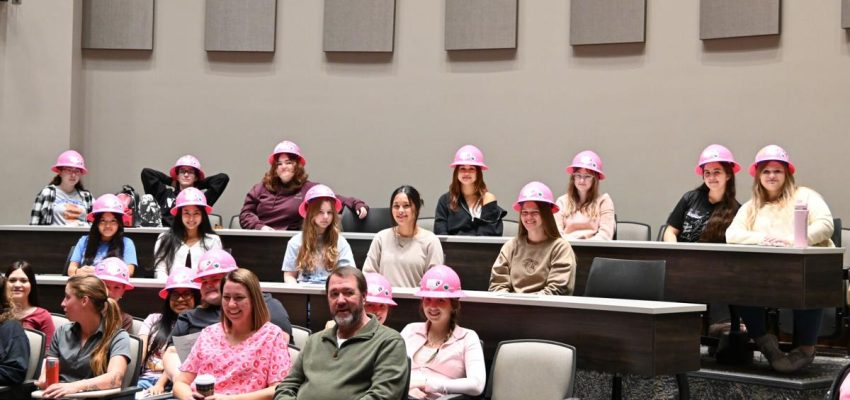
The journey toward an AI-powered future must be an inclusive one. Just as initiatives like the ‘Pink Hard Hat Girls’ program aim to open doors to traditionally male-dominated fields like construction, we must actively work to ensure that the burgeoning AI sector is accessible and welcoming to a diverse range of talent. The lack of diversity in the technology industry, particularly in AI development, poses significant risks. If the creators of AI systems do not reflect the diversity of the world’s population, there is an inherent danger of embedding biases into algorithms, perpetuating inequalities, and creating solutions that fail to serve everyone effectively.
Consider the documented biases in facial recognition systems, which often perform poorly on non-white individuals, or hiring algorithms that inadvertently favor male candidates due to historical data. These are not merely technical glitches; they are societal problems amplified by technology. A diverse workforce – encompassing varied genders, ethnicities, socio-economic backgrounds, and perspectives – is not just an ethical imperative; it is a strategic necessity for building robust, fair, and universally beneficial AI. Teams composed of individuals with different life experiences are more likely to identify potential biases, consider a broader range of user needs, and develop more inclusive and innovative AI solutions.
Empowering diverse talent in AI involves several key strategies. Firstly, early exposure to STEM fields and computational thinking is vital for all children, with particular emphasis on encouraging girls and underrepresented minorities. Mentorship programs, scholarships, and networking opportunities can help individuals from diverse backgrounds navigate the complexities of entering and progressing within the tech industry. Furthermore, fostering inclusive workplaces that value different perspectives and actively combat bias is crucial for retention.
Organizations like Women in AI, Black in AI, and AI for All are doing incredible work to create supportive communities, provide educational resources, and advocate for greater diversity. Their efforts are critical in demonstrating that the field of artificial intelligence is for everyone, regardless of background. By prioritizing diversity in **AI and Career Development**, we not only build a more equitable future but also unlock the full potential of AI itself, ensuring its benefits are shared by all of humanity.
### Conclusion
The trajectory of artificial intelligence is one of profound change, presenting both formidable challenges and unparalleled opportunities for individuals and societies alike. As we stand at this pivotal moment, it is clear that embracing adaptability, fostering continuous learning, and prioritizing inclusivity are not just admirable goals but essential strategies for navigating the future of work. The era of AI is not a distant future; it is unfolding now, reshaping every industry and demanding a proactive approach to career planning and skill development.
For André Lacerda, and indeed for all of us passionate about technology, the call to action is clear: let us champion education that prepares our youth for the collaborative intelligence required to thrive alongside AI. Let us invest in reskilling initiatives for current workforces, ensuring no one is left behind. And crucially, let us build an AI future that is diverse, ethical, and equitable, ensuring that the transformative power of artificial intelligence serves to elevate all of humanity. The future is not predetermined; it is ours to shape, with AI as our powerful, if complex, partner.










