

As an AI specialist, writer, and technology enthusiast, I’ve spent considerable time contemplating the evolving landscape of work. The pace of innovation, particularly in artificial intelligence, is not just altering industries; it’s fundamentally redefining the skills and competencies required for success. In this era of unprecedented technological acceleration, the concept of a static career path is rapidly becoming a relic of the past. The question then arises: how do individuals, especially those facing unique socio-economic challenges, navigate this shifting terrain to secure a future of stability and growth? The answer, increasingly, lies in proactive, targeted, and supportive learning initiatives: what we broadly define as professional careers training.
While the headlines often focus on the disruptive potential of AI, the underlying truth is that human ingenuity, adaptability, and continuous learning will remain our most valuable assets. It’s not about competing with machines, but rather collaborating with them, understanding their capabilities, and focusing on the uniquely human skills that AI cannot replicate. For communities like Casper, Wyoming, and indeed for individuals everywhere, understanding the critical role of accessible and effective career development programs is more crucial than ever. It’s about empowering people to not just survive, but to truly thrive in the workforce of tomorrow.
Professional Careers Training: A New Imperative in the AI Era
The advent of artificial intelligence is undoubtedly one of the most transformative forces of our generation. From automating repetitive tasks to enhancing decision-making with vast data analysis, AI is reshaping job functions across virtually every sector. According to a report by the World Economic Forum, AI is projected to displace 85 million jobs globally by 2025, but it is also expected to create 97 million new ones. This isn’t just a reshuffling; it’s a fundamental shift demanding new skills and competencies. This phenomenon underscores why robust and relevant professional careers training is no longer a luxury but an absolute necessity for individuals and economies alike.
What exactly constitutes effective professional careers training in this dynamic environment? It encompasses a blend of upskilling and reskilling initiatives designed to equip workers with the technical prowess to interact with AI systems, as well as the ‘soft skills’ that machines cannot replicate. For instance, jobs in data analytics, AI ethics, machine learning engineering, and prompt engineering are rapidly emerging, demanding specialized technical knowledge. Simultaneously, roles requiring creativity, critical thinking, emotional intelligence, complex problem-solving, and cross-functional collaboration are becoming increasingly valuable. These human-centric skills are the bedrock upon which successful careers in an AI-augmented world will be built.
Consider the healthcare sector, which is increasingly leveraging AI for diagnostics, personalized treatment plans, and administrative efficiency. While some tasks may be automated, the demand for nurses, medical technicians, and caregivers with enhanced digital literacy and empathy remains robust. Similarly, in fields like renewable energy or advanced manufacturing, new technologies create demands for specialized technicians and engineers who can install, maintain, and troubleshoot complex systems. These aren’t just one-off certifications; they are often comprehensive programs that provide hands-on experience, industry-recognized credentials, and a deep understanding of evolving best practices. Furthermore, effective professional development extends beyond merely acquiring new knowledge; it fosters a mindset of continuous learning and adaptability, preparing individuals for an ongoing journey of skill evolution throughout their working lives.
The challenge, however, is access. Many individuals, particularly those from underserved communities or single-parent households, face significant barriers to accessing quality training. These barriers can include financial constraints, lack of childcare, limited transportation, and a lack of awareness about available opportunities. This is where community-focused programs play an indispensable role, bridging the gap between technological advancement and socio-economic inclusion. They provide not just the curriculum, but the wraparound support necessary for participants to overcome personal hurdles and successfully transition into new, high-demand careers.
Beyond the Hype: Practical Pathways to Stability and Growth
While the theoretical implications of AI are fascinating, the practical application of professional careers training in empowering individuals is where real transformation occurs. Programs that successfully navigate this new landscape understand that providing a ‘supportive pathway’ is just as crucial as the curriculum itself. This involves identifying specific industries and roles that are projected to grow and remain resilient in the face of automation, and then designing curricula to meet those needs.
For example, in many regions, including Wyoming, sectors like healthcare, skilled trades (HVAC, electrical, plumbing with smart home technology integration), and administrative roles requiring advanced digital literacy are experiencing consistent demand. These careers often promise higher earning potential, crucial job stability, and clear advancement opportunities – precisely the qualities sought by individuals striving for a better future. A well-designed professional development initiative would not only teach the technical skills for these roles but also provide context on how AI tools might be integrated, making graduates future-proofed against rapid technological shifts.
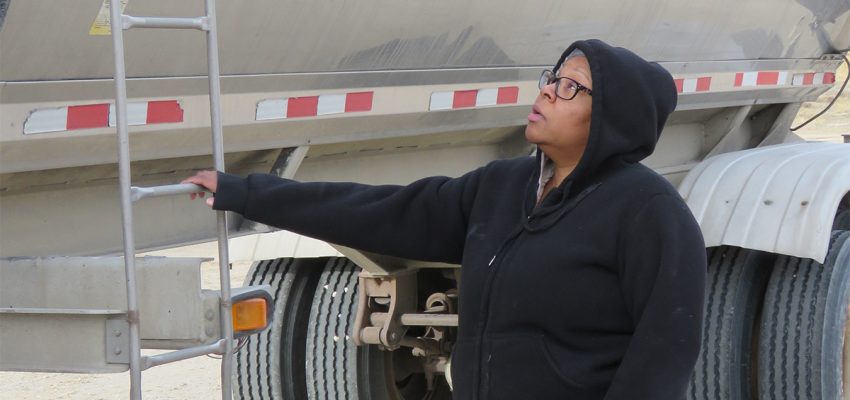
A prime illustration of such impactful work is the initiative highlighted by organizations like Climb Wyoming, which focuses on providing free professional careers training for single mothers in Casper, Wyoming. Such programs are not merely offering classes; they are constructing comprehensive ecosystems of support. This often includes childcare assistance, transportation aid, mentorship programs, interview coaching, and direct job placement services. For single mothers, who often juggle multiple responsibilities with limited resources, these holistic support systems are transformative. They remove critical barriers that might otherwise prevent participation, allowing these dedicated individuals to fully invest in their education and future.
The impact of such tailored vocational training extends far beyond individual empowerment. By equipping single mothers with skills for high-demand careers, these programs contribute to economic stability within families and the broader community. Research consistently shows that investing in women’s economic empowerment has a ripple effect, improving child outcomes, community health, and local economies. It builds a more resilient workforce, less susceptible to economic downturns or the disruptive forces of automation. By focusing on practical, actionable skills that are directly transferable to available jobs, these initiatives convert potential into tangible progress, ensuring that the benefits of technological advancement are shared more equitably across society.
Furthermore, these programs are not just teaching new skills; they are fostering confidence and a sense of agency. Navigating a career change can be daunting, especially for those who have faced systemic disadvantages. The ‘supportive pathway’ aspect is about building a community, instilling belief, and demonstrating that a brighter future is not just an aspiration but an achievable reality through dedicated effort and the right resources. This type of human-centric approach to education is what will truly define success in the age of AI.
Cultivating Resilience: The Human Element in an Automated World
In a world increasingly shaped by algorithms and automation, the enduring value of human resilience, ingenuity, and empathy cannot be overstated. As an AI specialist, I’ve observed that while AI excels at tasks that are repetitive, data-intensive, and rule-based, it still struggles with nuance, ethical judgment, complex social interactions, and genuine creativity. This fundamental distinction highlights a critical area for professional careers training: cultivating the uniquely human attributes that will differentiate workers in the future.
The ability to adapt, learn from mistakes, persevere through challenges, and collaborate effectively are not just ‘soft skills’; they are foundational competencies for the modern workforce. Programs that emphasize problem-solving, critical thinking, communication, and emotional intelligence prepare individuals not just for a specific job, but for a dynamic career trajectory. For instance, while AI can analyze vast datasets to identify patterns, it’s human critical thinking that interprets those patterns, understands their societal implications, and devises innovative solutions. While AI can draft eloquent emails, it’s human empathy that builds strong relationships and resolves conflicts. Effective professional development, therefore, integrates these elements, recognizing that technical proficiency alone is insufficient.
Moreover, the supportive pathway mentioned in the context of specific training initiatives plays a crucial role in fostering this resilience. A network of mentors, peer support groups, and career counselors provides not just guidance but also psychological reinforcement, helping individuals overcome self-doubt and maintain motivation. This community aspect is particularly vital for groups like single mothers, who might face isolation or an overwhelming sense of responsibility. Knowing there’s a safety net, a group of people invested in their success, empowers them to take risks, learn new things, and ultimately transform their lives.
Looking ahead, the jobs of tomorrow will increasingly require individuals who can work alongside AI, leveraging its capabilities while providing human oversight and ethical judgment. This means understanding AI’s limitations, recognizing biases in its output, and ensuring its application aligns with human values. This calls for a workforce that is not only technically skilled but also ethically aware and socially responsible. Lifelong learning, therefore, isn’t just about acquiring new technical certifications; it’s about continuously refining our human capacities – our judgment, our creativity, our compassion – in concert with technological advancement. This holistic approach to professional careers training is what will truly equip individuals to thrive in a perpetually evolving job market.
The journey into the future of work is undeniably complex, marked by both exhilarating opportunities and significant challenges. However, the story of individuals gaining new skills and transforming their lives through dedicated professional careers training offers a powerful testament to human resilience and ingenuity. From the cutting-edge innovations of artificial intelligence to the foundational support provided by community programs, every step taken to empower individuals through education is an investment in a more stable, equitable, and prosperous future.
As an AI specialist, I firmly believe that technology, when harnessed thoughtfully and ethically, should serve to elevate humanity. Programs offering targeted training, such as those designed for single mothers seeking better career prospects, embody this principle perfectly. They bridge the gap between technological potential and human flourishing, demonstrating that with the right tools, resources, and unwavering support, anyone can navigate the complexities of modern employment and forge a path towards higher earning potential, true job stability, and meaningful advancement opportunities. Let us continue to champion these vital initiatives, ensuring that the promise of a technologically advanced future is accessible to all, fostering a generation of lifelong learners ready to shape the world with both skill and heart.










