

The global healthcare landscape is at a critical juncture. From aging populations demanding more comprehensive care to the relentless pace of medical innovation, the demands on our healthcare systems are escalating. Yet, paradoxically, we face a looming crisis: a projected shortage of qualified professionals across nearly every discipline. This isn’t merely a statistic; it’s a profound challenge that threatens the well-being of communities worldwide. In the face of this urgency, educational institutions are stepping up, recognizing their pivotal role in nurturing the talent pipeline.
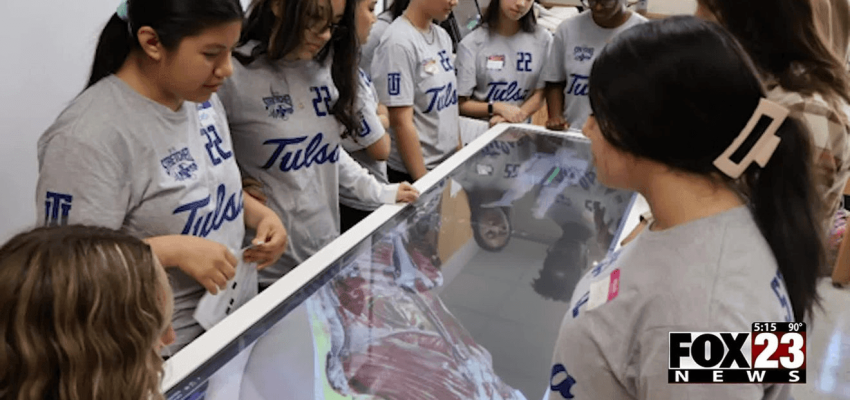
Programs like the one at the University of Tulsa (TU), highlighted by recent reports, are not just introducing students to potential career paths; they are actively engineering the future of health, inspiring a new generation to embrace the diverse and impactful world of medicine, care, and wellness. As an AI specialist and tech enthusiast, I often ponder the future, and it’s clear that technology will play an immense role in supporting these professionals. But technology, however advanced, will always require human ingenuity, compassion, and expertise. The focus on human capital, therefore, remains paramount, especially in the realm of healthcare careers.
Healthcare Careers: A Growing Imperative for Global Well-being
The statistics are stark. The World Health Organization (WHO) projects a global shortage of 10 million health workers by 2030, a gap exacerbated by an aging workforce, burnout, and increasing global health challenges like pandemics and chronic disease burdens. In the United States alone, the Association of American Medical Colleges (AAMC) predicts a shortfall of up to 124,000 physicians by 2034. These aren’t just numbers; they represent potential delays in diagnoses, longer wait times for appointments, and a strain on existing professionals that can lead to diminished quality of care. This deficit extends far beyond doctors and nurses, encompassing crucial roles from medical technologists and therapists to public health specialists and administrative staff. The demand for skilled professionals across the entire spectrum of healthcare careers is intensifying.
What makes this crisis particularly complex is its multifaceted nature. It’s not just about recruitment; it’s about retention, equitable distribution, and adapting to a rapidly evolving medical landscape. For instance, the rise of telehealth, accelerated by the recent pandemic, has reshaped patient-provider interactions and created new demand for professionals skilled in digital platforms and remote care delivery. Similarly, advancements in genomics, precision medicine, and artificial intelligence are transforming diagnostics and treatment, necessitating a workforce equipped with interdisciplinary skills in data science, bioinformatics, and ethical AI deployment. These shifts highlight that while the need for traditional roles remains, the definition of a ‘healthcare professional’ is expanding, requiring adaptability and a lifelong commitment to learning.
This evolution underscores why early exposure and comprehensive guidance, as offered by programs such as TU’s initiative, are not merely beneficial but absolutely essential. By engaging students at a pivotal age, these programs can demystify the complexities of the medical field and showcase the vast array of rewarding paths available within the health sector. They move beyond the conventional image of a doctor or nurse, opening horizons to roles in biomedical engineering, health informatics, medical research, and even health policy – all critical components of a robust healthcare ecosystem. Such early interventions are vital for sparking interest, providing mentorship, and laying the groundwork for informed academic and professional choices. Without dedicated pipelines to cultivate the next generation of talent, the projected shortages will only deepen, impacting everything from emergency response to preventative care initiatives. Therefore, investing in educational programs that nurture aspiring medical professionals isn’t just an investment in individual futures; it’s an investment in collective public health and societal resilience.
Nurturing the Next Generation: A Multifaceted Approach to Health Education
The University of Tulsa’s program, and similar initiatives across the globe, embody a proactive strategy to combat the looming workforce crisis. They operate on the principle that early exposure and comprehensive guidance are critical in shaping young minds towards fulfilling healthcare careers. Typically, these programs invite high school students, often from diverse backgrounds, to experience various facets of the medical world firsthand. This goes beyond classroom lectures, offering immersive experiences that might include:
- **Hands-on Workshops:** Students participate in simulated medical procedures, from suturing techniques and basic first aid to understanding human anatomy using models. This tactile learning fosters practical skills and demystifies complex medical tasks.
- **Shadowing Opportunities:** Direct observation of professionals in clinical settings – hospitals, clinics, rehabilitation centers – provides invaluable insights into daily routines, patient interaction, and the collaborative nature of healthcare teams. They witness doctors, nurses, therapists, and technicians working in concert.
- **Guest Speaker Series:** Leading experts in various medical fields share their journeys, challenges, and the rewards of their professions. This exposes students to a broad spectrum of specialties, from cardiology and oncology to public health and epidemiology.
- **Mentorship Programs:** Connecting aspiring students with current university students or professionals who can offer guidance, answer questions, and provide ongoing support throughout their academic journey.
- **Research Exposure:** For those with a scientific bent, programs might introduce them to medical research, lab techniques, and the process of discovery, vital for advancing medical knowledge.
This multidisciplinary approach is key. It helps students understand that healthcare is not a monolithic entity but a vast ecosystem requiring a myriad of skills and personalities. It highlights roles in allied health professions – physical therapy, occupational therapy, medical imaging, laboratory science – which are equally vital but often less visible than traditional physician roles. By showcasing this diversity, these programs broaden the appeal of the health sector and ensure a more robust pipeline of talent. Furthermore, such initiatives often emphasize the ethical considerations, compassionate care, and profound human connection inherent in healthcare. They aim to instill not just knowledge, but also empathy, resilience, and a sense of purpose – qualities that are impossible to automate.
From my perspective as someone deeply immersed in AI, it’s clear that while technology can augment human capabilities, it can never fully replace the human element of care, particularly in moments of vulnerability. Future healthcare careers will demand professionals who can skillfully wield technology while maintaining a deep understanding of human needs and ethics. They will need to be critical thinkers, problem-solvers, and compassionate communicators, capable of navigating complex diagnostic tools powered by AI, understanding data-driven treatment plans, and implementing digital health solutions. Therefore, these educational programs are not just about filling immediate gaps; they are about future-proofing the healthcare workforce, equipping them with both foundational medical knowledge and the adaptive skills necessary for an AI-integrated future.
The Future of Healthcare: Bridging Gaps with Innovation and Education
Looking ahead, the role of education in addressing healthcare workforce shortages becomes even more critical when viewed through the lens of technological advancement. The integration of AI, machine learning, and big data analytics is poised to revolutionize virtually every aspect of medicine. Predictive analytics can forecast disease outbreaks, AI-powered diagnostics can assist in identifying complex conditions, and robotic surgery enhances precision and recovery times. Telemedicine platforms are expanding access to care, particularly in rural or underserved areas. These innovations, while promising immense benefits, also create new demands on the healthcare workforce. Future professionals in healthcare careers will need to be digitally literate, adept at interpreting AI-generated insights, and skilled in managing complex data sets. They will work alongside intelligent systems, requiring a shift in educational paradigms to incorporate these emerging technologies. This isn’t about replacing human workers with machines, but empowering them with advanced tools to provide more efficient, personalized, and effective care.
Educational programs must evolve to prepare students for this new reality. This means:
- **Curriculum Modernization:** Integrating topics like health informatics, AI ethics, data science for healthcare, and digital health literacy into foundational medical education.
- **Interdisciplinary Collaboration:** Encouraging collaborations between medical schools, engineering departments, and computer science faculties to foster a holistic understanding of health technology.
- **Simulated Environments:** Utilizing virtual reality (VR) and augmented reality (AR) for surgical training, patient simulations, and anatomical studies, offering risk-free learning environments.
- **Lifelong Learning:** Emphasizing the importance of continuous professional development to keep pace with rapid technological changes and new medical discoveries.
The impact of these initiatives extends beyond individual career paths. A robust and well-trained healthcare workforce is a cornerstone of societal resilience and economic stability. Healthy populations are more productive, and a thriving healthcare sector creates jobs and stimulates local economies. By proactively addressing workforce shortages through comprehensive educational programs, communities can ensure equitable access to quality care, mitigate public health crises, and foster innovation. It’s a virtuous cycle: investing in education strengthens the workforce, which in turn strengthens the health system, ultimately benefiting every citizen.
The challenges are significant, but so too are the opportunities. By embracing forward-thinking educational models that blend traditional medical knowledge with cutting-edge technological literacy, we can not only meet the projected workforce demands but also elevate the standard of care for generations to come. The effort to inspire and educate the next wave of healthcare professionals is a collective responsibility, involving educators, policymakers, industry leaders, and communities working in concert to secure a healthier future. The commitment shown by institutions like TU serves as a shining example of how targeted educational outreach can make a profound difference in a field as critical as healthcare.
The journey to building a resilient and future-ready healthcare system begins with education. As we grapple with an aging global population, the relentless march of chronic diseases, and the transformative power of emerging technologies like AI, the need for a robust pipeline of skilled and compassionate professionals has never been more acute. Programs that introduce students early to the diverse and rewarding world of healthcare careers are not just filling a gap; they are actively shaping the future of human well-being. They ignite passions, provide crucial mentorship, and equip young minds with the foundational knowledge and adaptive skills necessary to thrive in an ever-evolving medical landscape. These initiatives are a testament to the power of proactive educational strategies in addressing critical societal needs.
Ultimately, the commitment to nurturing the next generation of healthcare professionals is an investment in our collective future. It ensures that innovation continues to flourish, that care remains accessible and empathetic, and that our communities are fortified against future health challenges. As an AI specialist, I firmly believe that technology will be an indispensable partner in this journey, but it is the human element – the dedication, ingenuity, and compassion of healthcare professionals – that will always remain at the heart of healing. By prioritizing early education and comprehensive exposure, we are not just addressing a workforce shortage; we are cultivating a brighter, healthier tomorrow for everyone.










