

In a rapidly evolving global economy, the conversation often gravitates towards cutting-edge technologies like artificial intelligence, quantum computing, and biotechnology. Yet, beneath this glittering surface of innovation, a foundational pillar of society quietly yearns for revitalization: the skilled trades. From the meticulous precision of a master electrician to the structural artistry of a welder, these essential professions form the bedrock of our infrastructure, economy, and daily convenience. However, for decades, vocational pathways have struggled with outdated perceptions and a dwindling interest among younger generations, creating a looming skills gap that threatens progress.
Enter WareWorks, a visionary organization stepping boldly into this critical void. With the launch of its groundbreaking program aimed at connecting high schoolers with trade careers, WareWorks isn’t just addressing a labor shortage; it’s igniting a movement to redefine the value and relevance of skilled work in the 21st century. As an AI specialist and tech enthusiast, I’ve observed firsthand how technology, far from displacing these roles entirely, is instead transforming them, making the pursuit of a skilled trade a remarkably intelligent and resilient career choice. This initiative by WareWorks is a testament to foresight, recognizing that the **future of trade careers** is not just about tools and techniques, but about integrating modern innovation with timeless craftsmanship to build a robust and adaptable workforce.
### The Future of Trade Careers: Bridging the Generational Gap with Innovation
The narrative around skilled trades has long been fraught with misconceptions. Historically, vocational education was sometimes seen as a secondary option, a path for those not pursuing a four-year university degree. This perception, coupled with an aging workforce, has led to a significant and persistent skills gap across various industries. Consider, for instance, the construction sector, projected to need hundreds of thousands of new workers annually over the next decade. Or the manufacturing industry, which grapples with a deficit of skilled technicians capable of operating and maintaining increasingly sophisticated machinery. The consequences are tangible: project delays, increased costs, and a bottleneck in essential services. WareWorks’ program directly confronts this challenge by engaging high schoolers at a pivotal decision-making stage, offering them a clear, attractive, and direct pathway into these vital professions.
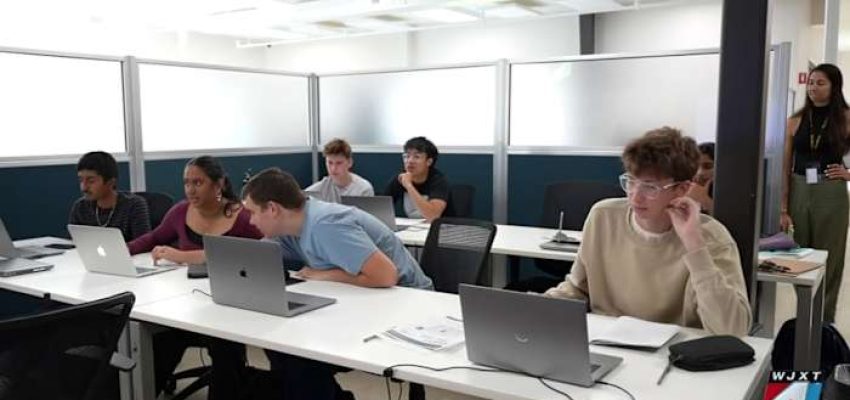
The genius of the WareWorks approach lies in its multifaceted engagement strategy. It moves beyond theoretical instruction, opting instead for immersive, hands-on experiences that allow students to explore various trades – from plumbing and HVAC to advanced manufacturing and culinary arts – with direct mentorship from seasoned professionals. This exposure isn’t just about learning skills; it’s about experiencing the dignity and satisfaction that comes from creating, building, and maintaining. The program likely incorporates site visits, short-term apprenticeships, and even opportunities to contribute to community projects, providing tangible results that foster a sense of accomplishment and purpose. By collaborating with local businesses, trade unions, and educational institutions, WareWorks creates a robust ecosystem that supports students from initial interest through to career placement. It’s an investment not just in individual futures, but in the long-term economic stability and competitiveness of the regions it serves, ensuring a vibrant **future of trade careers** for generations to come.
### Reimagining Vocational Pathways in the Digital Age
The trades of today are a far cry from their predecessors. The image of a grimy, purely manual job is largely outdated. Modern trade careers are increasingly sophisticated, demanding a blend of traditional craftsmanship and technological acumen. Take, for example, an electrician installing smart home systems, or a welder utilizing robotic arms and augmented reality interfaces for precision work, or even an automotive technician diagnosing complex vehicle issues with AI-powered diagnostic tools. These are not merely laborers; they are highly skilled technicians, problem-solvers, and innovators who leverage cutting-edge tools to achieve unprecedented levels of efficiency and quality.
This is where my passion for AI intersects seamlessly with the WareWorks vision. Artificial intelligence and automation are not inherently threats to skilled trades; rather, they are powerful accelerators. AI can optimize supply chains in construction, predict maintenance needs in industrial machinery, and even assist in designing more efficient HVAC systems. Robotics can handle repetitive or dangerous tasks, freeing human craftspeople to focus on complex problem-solving, custom fabrication, and quality control. Training programs, too, are being revolutionized by AI: virtual reality simulations powered by AI can offer immersive, risk-free learning environments for aspiring plumbers or electricians, allowing them to practice complex procedures repeatedly. Machine learning algorithms can personalize learning paths, identifying areas where a student needs more practice and providing tailored resources. WareWorks’ program, by integrating these modern technological realities into its curriculum, is preparing students not just for current job demands, but for the continually evolving **future of trade careers** where human ingenuity and machine intelligence work in concert. This foresight ensures that participants are not merely trained for today’s jobs but are equipped to adapt and thrive in tomorrow’s dynamic landscape.
### Cultivating Resilience and Innovation: A Blueprint for Workforce Development
The benefits of initiatives like WareWorks extend far beyond simply filling job openings. They cultivate a generation of resilient, adaptable, and innovative professionals. Trade careers often offer immediate entry into the workforce, high earning potential without the burden of extensive student loan debt, and remarkable job security. Unlike some roles susceptible to complete automation, many skilled trades require nuanced human judgment, adaptability, and complex problem-solving skills that remain difficult for AI to fully replicate. The hands-on nature of these jobs also fosters a strong sense of accomplishment and tangible impact, contributing to higher job satisfaction.
Furthermore, programs like WareWorks serve as vital blueprints for comprehensive workforce development. They demonstrate the power of public-private partnerships, bringing together educational institutions, local government, and industry leaders to create a pipeline of talent that meets specific regional needs. This localized approach is crucial, as the demand for particular trades can vary significantly from one community to another. By building strong connections between high school students and local employers, WareWorks helps to circulate wealth within the community and supports the growth of small and medium-sized businesses—the backbone of many local economies. It also encourages an entrepreneurial spirit, as many skilled tradespeople eventually go on to start their own successful businesses, further contributing to economic vitality. Ultimately, this approach cultivates not just individual careers but fosters a community-wide appreciation for the invaluable contributions of skilled labor, paving the way for a more robust and self-reliant **future of trade careers** that respects both traditional skills and technological advancement.
WareWorks’ launch of this program is more than just a new initiative; it is a profound declaration. It boldly asserts that the skilled trades are not only viable and respected career paths but are, in fact, integral to our collective progress and technological advancement. By reaching out to high schoolers and presenting them with the realities and opportunities within these dynamic fields, WareWorks is not just filling a skills gap; it is inspiring a new generation to build, create, and innovate. This program champions the notion that a fulfilling and prosperous future can be forged with one’s own hands, often augmented by the very technologies that shape our modern world.
As an advocate for thoughtful technological integration, I see WareWorks’ model as a prime example of how we can intelligently navigate the future of work. It underscores that human ingenuity, whether in crafting a custom piece of cabinetry or programming a robotic welder, remains indispensable. The **future of trade careers** is bright, powered by individuals equipped with practical skills, critical thinking, and a readiness to embrace evolving technologies. We must continue to support and expand such programs, ensuring that every young person understands the profound value and vast potential that lies within the skilled trades, safeguarding a balanced and prosperous future for all.










