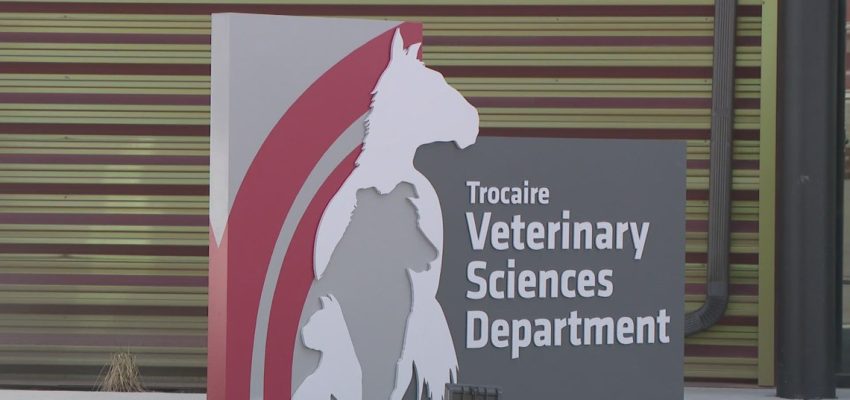

In an era increasingly defined by rapid technological advancement and a renewed appreciation for scientific precision, the fields that intersect compassion with cutting-edge practice truly stand out. Among these, animal healthcare is experiencing a profound transformation, driven by innovative research, sophisticated diagnostic tools, and a growing public demand for high-quality care for beloved pets. It is within this dynamic landscape that institutions like Trocaire College play a pivotal role, shaping the next generation of professionals equipped to meet these evolving needs. The recent graduation of Trocaire College’s inaugural class of Veterinary Technology students marks not just a milestone for the college, but a significant advancement for the entire animal healthcare community, heralding a future where skilled and compassionate professionals are more vital than ever.
As an AI specialist and someone deeply fascinated by how technology reshapes our world, I often observe how foundational education prepares individuals for careers that will undoubtedly be influenced by emerging tools, from advanced imaging to artificial intelligence in diagnostics. The veterinary field is no exception. These graduates, stepping out into a demanding yet incredibly rewarding profession, embody the convergence of traditional hands-on care with a deep understanding of modern medical techniques. Their journey from dedicated students to certified professionals underscores a commitment to excellence that will undoubtedly leave a lasting impact on the lives of countless animals and their human companions.
Veterinary Technology: A Beacon of Modern Animal Care Education
The establishment and successful graduation of Trocaire College’s first cohort in Veterinary Technology is a testament to the foresight and dedication of an institution committed to addressing real-world needs. The program, meticulously designed, provides students with a comprehensive education that goes far beyond basic animal handling. It delves deep into veterinary medical science, covering everything from anatomy and physiology to pharmacology, surgical assistance, diagnostic imaging, and laboratory procedures. These graduates are not merely assistants; they are critical members of the veterinary team, often described as the ‘nurses of the animal world,’ equipped with an extensive skillset that allows veterinarians to focus on diagnosis and treatment.
The curriculum typically blends rigorous academic coursework with intensive practical training, often involving state-of-the-art simulation labs and clinical rotations in active veterinary practices. This hands-on experience is paramount, allowing students to apply theoretical knowledge to real-life scenarios, from performing dental cleanings and administering anesthesia to conducting comprehensive patient assessments and educating pet owners on preventative care. Such comprehensive training ensures that each graduate is not only competent but also confident in their abilities to contribute immediately to any veterinary setting, be it a general practice, a specialized animal hospital, an emergency clinic, or even research facilities.
The significance of a strong educational foundation cannot be overstated in a field where every decision can have life-or-death implications. Trocaire College’s commitment to creating a program that produces highly competent and compassionate animal care professionals highlights a crucial trend: the increasing professionalization and specialization within the animal health sector. As veterinary medicine mirrors human medicine in its complexity and technological reliance, the demand for exceptionally trained supporting staff, skilled in the nuances of Veterinary Technology, will only continue to grow.
The Indispensable Role of the Veterinary Technician in a Evolving Landscape
The role of a veterinary technician, often underestimated by the general public, is multifaceted and absolutely critical to the efficient and effective operation of any animal healthcare facility. These professionals are the backbone of veterinary practices, performing a vast array of duties that range from patient intake and history taking to sophisticated medical procedures. They are often the primary point of contact for pet owners, providing vital information, comfort, and education. Imagine a complex surgical procedure: while the veterinarian leads, it is often the vet tech who monitors vital signs, prepares surgical sites, assists with instruments, and manages anesthesia—a task requiring immense precision and knowledge.
Beyond the operating room, vet techs are instrumental in diagnostic processes. They are proficient in taking and developing X-rays, performing ultrasounds, collecting and analyzing laboratory samples (blood, urine, tissue), and operating advanced diagnostic equipment. Their expertise in these areas allows for quicker, more accurate diagnoses, directly impacting patient outcomes. Furthermore, their role extends into pharmacology, where they accurately calculate and administer medications, and into client education, helping owners understand post-operative care instructions, medication schedules, and preventative health measures like vaccinations and nutrition. This blend of medical expertise, technical proficiency, and empathetic communication makes them truly indispensable.
The evolving landscape of animal care also sees veterinary technicians engaging with increasingly sophisticated technology. From digital radiography and advanced imaging techniques to electronic health records and specialized monitoring devices, the modern vet tech must be technologically savvy. While the integration of advanced AI tools in veterinary diagnostics and treatment planning is still in its nascent stages, these graduates are entering a field ripe for such innovations. Their foundational understanding of data collection, diagnostic processes, and patient monitoring provides them with the perfect springboard to adapt to and leverage future technological advancements, ensuring that the highest standards of care are maintained as the field progresses. This adaptability is a hallmark of modern education and crucial for long-term career success.
Impacting Communities and Shaping the Future of Animal Welfare
The graduation of Trocaire College’s first Veterinary Technology class is not merely an institutional triumph; it represents a significant boost to the local community and the broader animal welfare landscape. Each new graduate entering the workforce fills a vital gap, bringing fresh knowledge, enthusiasm, and a much-needed skillset to veterinary clinics, animal shelters, research institutions, and even zoos. The demand for qualified veterinary technicians is consistently high, driven by several factors, including the increasing number of pet-owning households, the humanization of pets leading to greater investment in their health, and advancements in veterinary medicine that allow for more complex treatments.
According to the U.S. Bureau of Labor Statistics, the employment of veterinary technologists and technicians is projected to grow 20 percent from 2021 to 2031, much faster than the average for all occupations. This translates to roughly 23,600 new job openings each year, indicating a robust and expanding career path. Graduates from programs like Trocaire’s are well-positioned to step into these roles, alleviating staffing shortages and ensuring that animals receive timely and expert care. Their presence strengthens the local veterinary infrastructure, leading to better outcomes for animal patients and greater peace of mind for pet owners.
Beyond clinical practice, these professionals also contribute significantly to public health initiatives, such as rabies vaccination programs, and play a crucial role in animal welfare organizations, assisting in rescue, rehabilitation, and adoption efforts. Their specialized knowledge ensures that animals under their care receive appropriate medical attention, preventing suffering and promoting healthier populations. As advocates for animal well-being, they often educate the public on responsible pet ownership, zoonotic diseases, and the importance of preventative care, thereby having a ripple effect that benefits the entire community.
In essence, each graduate represents a new guardian for animal health, an educator for pet owners, and a vital partner for veterinarians. Their entry into the workforce elevates the standard of care across the board, promising a brighter, healthier future for our animal companions. The dedicated work of these individuals, grounded in a robust education in Veterinary Technology, will be instrumental in navigating the complex challenges and exciting opportunities that lie ahead in animal medicine.
The successful launch and graduation of Trocaire College’s initial Veterinary Technology cohort is a powerful reminder of the enduring importance of specialized vocational training and higher education in meeting the evolving demands of critical professions. These graduates are not just entering a job market; they are joining a calling, a community dedicated to compassion, science, and the welfare of animals.
As they embark on their careers, these pioneering individuals from Trocaire College carry with them not only comprehensive technical skills but also the profound empathy required to excel in animal healthcare. Their contributions will undoubtedly enhance the lives of countless animals and their human families, reinforcing the vital role that well-trained professionals play in society. We look forward with great anticipation to the innovative solutions and compassionate care these new veterinary technologists will bring to a field that continues to grow in complexity and significance, shaping a brighter future for animal health for generations to come.