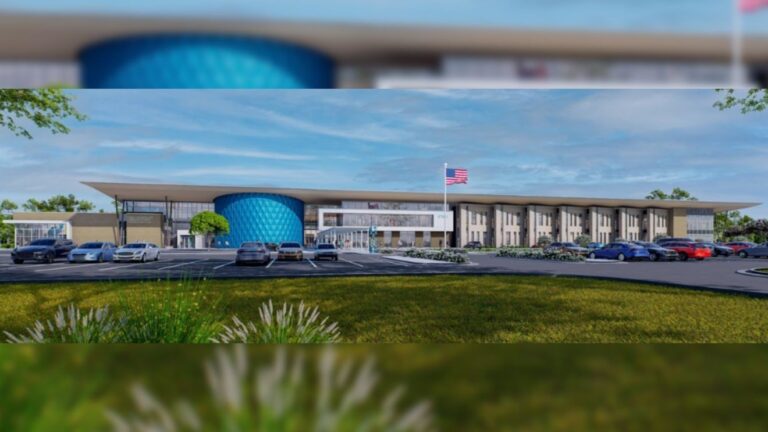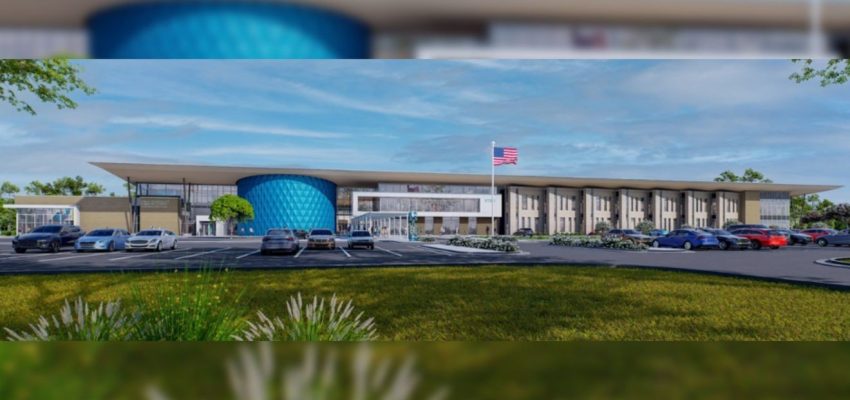

The landscape of work is undergoing a seismic shift, driven by rapid technological advancements, automation, and the pervasive influence of artificial intelligence. In an era where traditional industries are being redefined and entirely new professions are emerging, the need for a skilled, adaptable workforce has never been more critical. It is against this dynamic backdrop that institutions focused on practical, future-oriented learning become cornerstones of progress. One such beacon of opportunity, the Robeson Career and Technical Education Center, is nearing completion, poised to transform the lives of countless individuals and invigorate regional economic development.
As an AI specialist and a fervent advocate for technological literacy, I’ve long recognized that the future workforce will demand more than theoretical knowledge. It will require hands-on expertise, critical thinking, and the ability to seamlessly integrate with cutting-edge tools. The Robeson Center, though local in its immediate impact, represents a microcosm of a larger, global movement towards empowering individuals with the tangible skills needed to thrive in the 21st century. It’s an investment not just in infrastructure, but in human potential, a testament to the foresight that recognizes that true progress stems from equipping people with the tools to build their own futures.
### Career and Technical Education: A Blueprint for Tomorrow’s Workforce
For decades, vocational training was often relegated to the sidelines of academic discourse, sometimes viewed as a less prestigious path. However, in recent years, there has been a profound re-evaluation and renaissance of what is now broadly known as **career and technical education** (CTE). This modern approach transcends the traditional image, evolving into dynamic, high-tech programs that directly address the demands of contemporary industries. It’s no longer about basic trades, but about sophisticated technical skills, interdisciplinary knowledge, and real-world problem-solving capabilities.
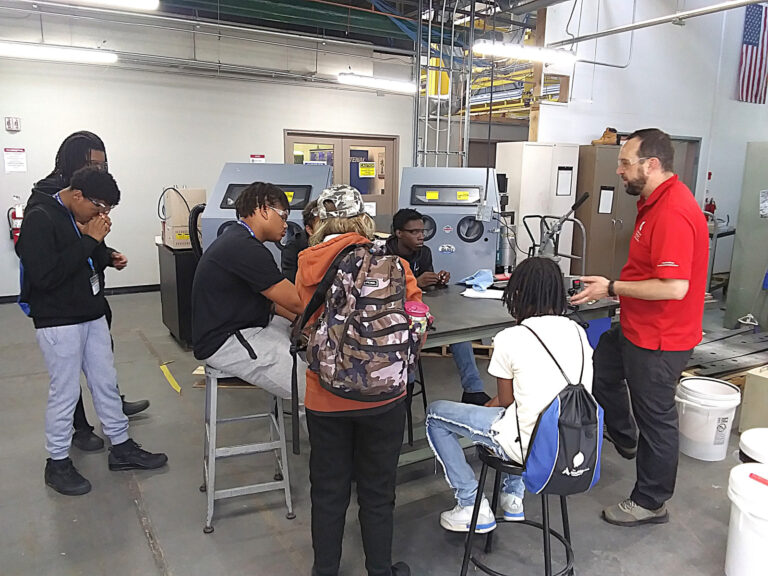
CTE centers like the one in Robeson County are meticulously designed to bridge the gap between education and employment. They offer specialized pathways that allow students to gain industry-recognized certifications, practical experience, and a direct line to sustainable careers, often before even graduating high school. These programs are characterized by their hands-on learning environments, often equipped with industry-standard machinery and software, allowing students to train in conditions that closely mirror actual workplaces. The curriculum is typically developed in close collaboration with local businesses and industry leaders, ensuring that the skills taught are directly relevant and immediately applicable to the regional job market.
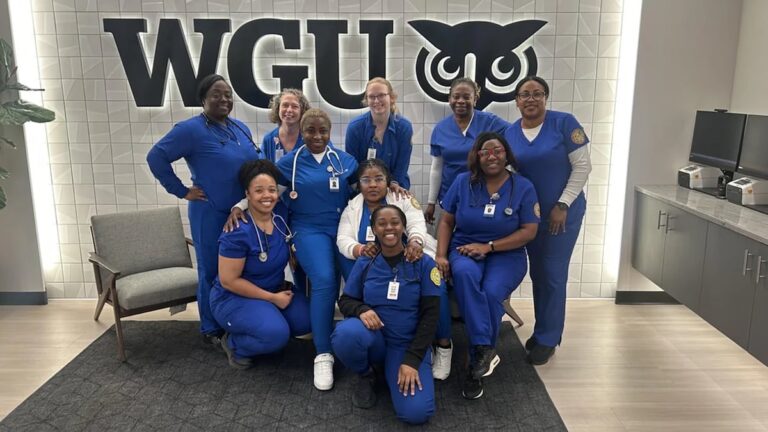
Consider the breadth of fields that modern **career and technical education** encompasses. We’re talking about advanced manufacturing, where students learn robotics, CAD/CAM, and automated systems; information technology and cybersecurity, preparing them for roles in network administration, data analytics, and digital defense; healthcare sciences, training the next generation of nurses, medical assistants, and therapists; and even fields like sustainable energy, agricultural technology, and culinary arts, all integrated with modern practices and tools. These programs provide a clear alternative or complement to traditional four-year college degrees, offering viable, often debt-free, pathways to rewarding careers with strong earning potential.
Data consistently shows the efficacy of CTE. According to the Association for Career and Technical Education (ACTE), 93% of students who concentrate in CTE graduate from high school, compared to an average national rate of 80%. Furthermore, CTE concentrators are more likely to be employed and earn higher wages immediately after high school than their peers. This isn’t just about preparing students for entry-level jobs; it’s about providing them with a foundational skillset that allows for continuous learning and upward mobility in a constantly changing economic landscape.
### The Robeson Center: A Beacon of Opportunity in North Carolina
The nearing completion of the Robeson Career and Technical Education Center marks a significant milestone for Robeson County and the broader Pee Dee region of North Carolina. Historically, Robeson County has faced economic challenges, and initiatives like this center are vital catalysts for fostering sustainable growth and empowering its community. This center is not merely a school building; it is an economic engine in the making, designed to cultivate a local talent pool that can attract new businesses and help existing ones thrive.
Reports indicate that the center will house state-of-the-art labs and classrooms, focusing on key vocational areas identified as critical for regional development. While specific programs are still being finalized or revealed, it is highly probable that offerings will include specialized training in areas such as advanced manufacturing, automotive technology, welding, electrical systems, plumbing, and various health sciences disciplines. The integration of modern digital tools and simulated environments will be paramount, allowing students to develop proficiency with technologies they will encounter in professional settings. Imagine students learning robotic welding on industrial-grade equipment, troubleshooting complex networks in a cybersecurity lab, or practicing patient care scenarios in a simulated hospital ward. This is the promise of the Robeson Center.
This initiative is a collaborative effort, often involving local school districts, community colleges, and regional economic development boards. Such partnerships are crucial for ensuring that the curriculum remains aligned with industry needs and that graduates are well-positioned for local employment. The investment in such a facility is substantial, typically drawing funding from state appropriations, local bonds, and sometimes private sector contributions. These investments underscore a collective commitment to providing equitable access to high-quality education and training, ensuring that young people in Robeson County have every opportunity to build prosperous futures right within their own communities.
Beyond individual student success, the center is expected to have a cascading effect on the local economy. A skilled workforce is a magnet for industry. Companies looking to expand or relocate often prioritize regions with a readily available and well-trained talent pool. By producing graduates proficient in high-demand trades, the Robeson Center will contribute to job creation, increased tax revenues, and a more vibrant local economy, creating a virtuous cycle of opportunity and prosperity. This proactive approach to workforce development is essential for rural areas seeking to compete in a globalized economy.
### Bridging the Gap: AI, Automation, and the Evolving Skillset
The most exciting aspect of modern **career and technical education** lies in its potential to adapt and integrate emerging technologies, particularly artificial intelligence and automation. My work consistently highlights how AI is not just a theoretical concept but a practical tool reshaping every industry, from healthcare to manufacturing, logistics, and agriculture. For CTE centers to remain relevant and impactful, they must embrace this technological wave, rather than merely reacting to it.
This means incorporating AI literacy into every program. It’s not about turning every student into an AI researcher, but about equipping them with the understanding of how AI tools function, how they can be leveraged in their respective fields, and the ethical considerations involved. For instance, an advanced manufacturing student should understand how AI optimizes production lines, predicts equipment failures, or enhances quality control through computer vision. An automotive technology student might learn about AI-driven diagnostics or the software that powers autonomous vehicle systems. Healthcare students could explore AI’s role in diagnostics, personalized medicine, or hospital administration.
Furthermore, the curriculum should emphasize skills that complement AI, rather than being replaced by it. These are the inherently human skills: critical thinking, complex problem-solving, creativity, emotional intelligence, and adaptability. While AI can automate repetitive tasks, it still requires human oversight, ingenuity, and ethical guidance. CTE programs can uniquely foster these attributes by placing students in real-world scenarios, encouraging teamwork, and challenging them to innovate solutions to practical problems.
Consider the concept of human-robot collaboration in manufacturing or AI-powered precision agriculture. These aren’t futuristic fantasies; they are current realities. The Robeson Center has the opportunity to prepare students not just for current jobs, but for roles that are rapidly evolving, integrating data analytics, machine learning principles, and advanced robotics. This involves continuous curriculum updates, professional development for instructors, and ongoing partnerships with technology companies and research institutions.
Ultimately, the goal is to create a workforce that is not only proficient in traditional trades but is also technologically fluent and future-ready. This proactive integration of AI and automation into **career and technical education** ensures that graduates are not just job-ready upon completion, but career-resilient, capable of adapting to new technologies and embracing lifelong learning as a fundamental aspect of their professional journey.
As the final touches are applied to the Robeson Career and Technical Education Center, we witness more than just the completion of a building; we see the strengthening of a community’s resolve to invest in its future. This center stands as a testament to the power of targeted, practical education in an era of rapid change. It promises to equip a new generation with the tangible skills and technological understanding necessary to thrive in an increasingly automated and AI-driven world.
By providing pathways to in-demand careers, fostering economic growth, and integrating future-forward technologies into its core, the Robeson Center is poised to be a pivotal institution. It is a powerful example of how strategic investment in **career and technical education** can unlock individual potential, invigorate local economies, and ensure that communities like Robeson County are not just participants in the future of work, but active architects of it. The journey ahead for its future students is bright, filled with the promise of meaningful contributions and sustained success.