
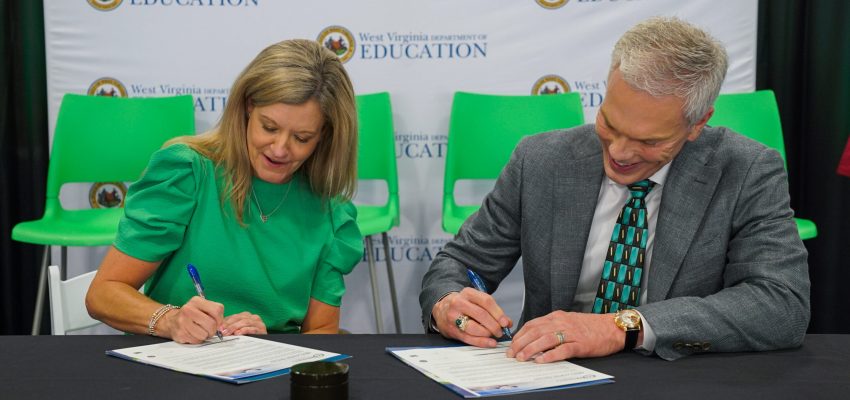

In an era defined by rapid technological advancement and an ever-evolving global landscape, the importance of strategic workforce development cannot be overstated. Particularly in sectors critical to national infrastructure and economic growth, such as aerospace, proactive initiatives are essential. It is with this forward-thinking vision that the West Virginia Department of Education (WVDE) and Marshall University have forged a powerful partnership, aiming to inspire and equip the next generation of professionals who will navigate, build, and innovate within the skies above and the systems below. As an AI specialist and tech enthusiast, I find this collaboration particularly compelling, not just for its immediate impact on education and employment but for its profound implications in shaping the future trajectory of technology integration within aviation.
This initiative goes beyond merely introducing students to existing job roles; it’s about instilling a foundational understanding of complex systems, fostering critical thinking, and nurturing the innovative spirit required to thrive in an industry on the cusp of revolutionary change. From autonomous flight systems powered by artificial intelligence to sustainable propulsion technologies, the future of aviation is a canvas of immense possibility. Preparing young minds for this dynamic environment, often starting as early as middle school, is a testament to the foresight of West Virginia’s educational and institutional leaders. It’s about building a robust talent pipeline that ensures the state, and indeed the nation, remains at the forefront of aerospace innovation and operational excellence.
Aviation Industry Careers: A Strategic Partnership Takes Flight
The core of this exciting partnership between the WVDE and Marshall University lies in its commitment to addressing a critical national need: replenishing and advancing the workforce within the aerospace sector. The aviation industry, encompassing everything from commercial air travel to defense and space exploration, faces significant challenges, including an aging workforce and projected shortages across various key roles. For instance, Boeing’s most recent Pilot and Technician Outlook predicts that the global civil aviation industry will need 649,000 new pilots, 690,000 new maintenance technicians, and 93,000 new cabin crew members over the next 20 years. These figures underscore the urgent demand for skilled professionals, and initiatives like the one in West Virginia are vital for closing this gap.
Marshall University, with its established academic prowess, particularly in STEM fields, serves as a natural hub for higher education and specialized training. While the specifics of their programs might evolve, one can envision curricula designed to prepare students for diverse aviation industry careers. This could range from comprehensive flight training programs that mold future commercial and private pilots to robust engineering degrees focusing on aeronautical and aerospace systems design, maintenance, and innovation. The university’s role extends beyond the classroom, potentially involving state-of-the-art simulation labs, practical workshops, and research opportunities that expose students to the cutting edge of aviation technology. The goal is to provide a seamless pathway from foundational learning to advanced expertise, ensuring graduates are not only qualified but also highly adaptable to industry demands.
The WVDE’s involvement is equally crucial, acting as the bridge that connects the aspirations of students in K-12 education with these advanced opportunities. Their role involves developing and integrating aviation-focused curricula into high schools, potentially through career and technical education (CTE) programs. This early exposure is instrumental in sparking interest and demystifying what can often seem like an inaccessible field. Imagine high school students learning about aerodynamics through drone clubs, understanding aircraft mechanics through hands-on projects, or exploring air traffic control simulations. Such programs can lead to industry-recognized certifications even before college, giving students a significant head start. Furthermore, the WVDE can facilitate access to these programs, ensuring equitable opportunities for students across diverse socio-economic backgrounds, thereby enriching the talent pool for future aviation industry careers.
This partnership creates a holistic ecosystem for talent development. It’s not just about pilots; it’s about the entire support structure: the meticulously trained aircraft technicians who ensure safety and performance, the visionary aerospace engineers who design the next generation of aircraft and propulsion systems, and even the logistics and operations specialists who manage complex global air networks. By addressing multiple facets of the aviation workforce, West Virginia is strategically positioning itself to become a recognized leader in cultivating aerospace talent, driving both economic growth and technological advancement within the state.
Navigating the Future of Aerospace: Technology, Sustainability, and AI
The landscape of aviation is undergoing a profound transformation, driven by an accelerating pace of technological innovation. For students embarking on aviation industry careers today, understanding these shifts is paramount. From the increasing integration of artificial intelligence (AI) to the imperative of sustainable flight, tomorrow’s professionals must be equipped with skills that go beyond traditional aviation competencies. This partnership is strategically vital because it seeks to prepare students not just for today’s jobs but for the jobs of tomorrow, many of which are still emerging.
Artificial intelligence is already revolutionizing various aspects of aviation. In air traffic control, AI-powered systems can optimize flight paths, predict congestion, and enhance safety protocols, leading to more efficient and environmentally friendly operations. For maintenance, predictive AI analyzes vast amounts of sensor data from aircraft to anticipate potential equipment failures before they occur, drastically reducing downtime and increasing safety. In the cockpit, AI-driven co-pilot systems assist human pilots, managing complex data streams and offering real-time decision support, particularly in challenging conditions. The rise of autonomous drones, for everything from package delivery to infrastructure inspection, also presents a burgeoning field requiring expertise in AI, robotics, and regulatory frameworks.
Beyond AI, the push for sustainability is reshaping aircraft design and operation. The industry is actively pursuing solutions like electric and hybrid-electric propulsion, hydrogen fuel cells, and sustainable aviation fuels (SAFs) derived from biomass or waste. Engineers specializing in these areas will be in high demand, tasked with designing lighter materials, more efficient engines, and entirely new aircraft architectures. Students entering this field will need a strong foundation in material science, thermodynamics, electrical engineering, and environmental policy, alongside traditional aerospace knowledge. This shift towards greener aviation represents not just a regulatory necessity but a significant area for innovation and economic opportunity.
Furthermore, the growing commercial space sector, while distinct from traditional aviation, shares many foundational engineering and operational principles. As companies like SpaceX and Blue Origin push the boundaries of space tourism and satellite deployment, the demand for aerospace engineers, manufacturing specialists, and even orbital traffic controllers will continue to surge. This West Virginia initiative, by focusing on aerospace engineers, inadvertently prepares students for potential crossover into this burgeoning space economy, broadening their horizons and enhancing their career prospects beyond Earth’s atmosphere. By integrating these future-focused perspectives into educational programs, the partnership ensures that West Virginia’s students are not merely observers but active participants and leaders in shaping the next chapter of flight and space exploration.
Cultivating Talent: Pathways from Classroom to Cockpit
The ultimate success of the WVDE and Marshall University partnership will be measured by the tangible opportunities it creates for students and the positive ripple effect on the state’s economy. For students, the benefits are multi-faceted, ranging from early exposure to advanced educational pathways. Imagine a high school student in West Virginia who, through a WVDE-sponsored program, discovers a passion for aviation. This early spark can then be nurtured through dual enrollment courses with Marshall University, allowing them to earn college credits while still in high school. Scholarships, mentorship programs, and internships with local aerospace companies or regional airports could provide invaluable real-world experience, making their transition from student to professional seamless and informed.
These pathways are designed to be accessible and inclusive, breaking down traditional barriers to entry into specialized fields. For example, a student from a rural area might not otherwise consider a career in aerospace due to a lack of local resources or perceived high costs. By bringing aviation education directly into the public school system and providing clear routes to higher education and employment, this partnership democratizes access to high-growth aviation industry careers. This approach not only benefits individual students but also enriches the diversity of thought and experience within the aerospace workforce, fostering a more innovative and resilient industry.
The economic impact on West Virginia cannot be overstated. By cultivating a skilled workforce in aviation and aerospace, the state is investing in its future economic diversification. This initiative can attract new aerospace companies looking for a ready supply of talent, or encourage existing businesses to expand. It can also help retain bright young minds within the state, preventing brain drain and fostering a local ecosystem of innovation and entrepreneurship. Local airports could become training hubs, creating jobs for instructors and support staff, and generating increased economic activity in their surrounding communities. Moreover, a robust aerospace sector can indirectly boost other industries, from manufacturing to logistics and research and development.
In essence, this collaboration is building a sustainable pipeline of talent, ensuring that West Virginia plays a pivotal role in the national and global aerospace arena. It’s an investment in human capital that yields returns in technological advancement, economic prosperity, and national security. By creating clear pathways from classroom inspiration to professional accomplishment, West Virginia is not just preparing individuals for jobs; it is equipping them to be the future architects of the skies, ready to meet the challenges and harness the opportunities presented by a rapidly evolving world.
The strategic partnership between the West Virginia Department of Education and Marshall University represents far more than a vocational training program; it is a visionary commitment to the future. By proactively addressing the growing demand for skilled professionals in the aerospace sector and integrating forward-looking technologies like AI and sustainable flight into educational pathways, West Virginia is setting a national precedent. This initiative not only provides invaluable opportunities for its students but also strengthens the state’s economic resilience and contributes significantly to the broader national endeavor of maintaining leadership in aviation innovation and operational excellence.
As we look to the horizon, the skies will undoubtedly be busier, smarter, and greener. The success of this partnership will be measured not just in the number of pilots, technicians, and engineers it produces, but in the quality of their contribution to a dynamic industry. By nurturing curiosity, fostering innovation, and providing clear pathways to success, West Virginia is empowering its youth to reach new heights, ensuring that the dream of flight continues to inspire and drive progress for generations to come. The future of aviation industry careers in West Virginia looks exceptionally promising, ready to soar.










