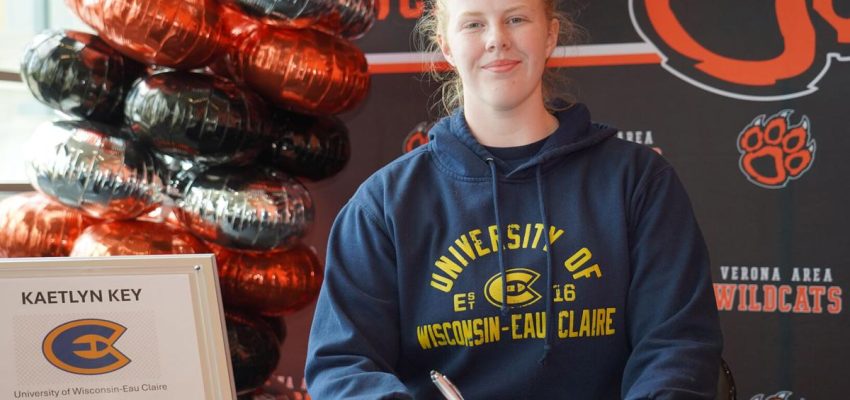

Each spring, high school student-athletes across the nation embark on a pivotal journey, committing to colleges that will shape their academic and athletic futures. This tradition, steeped in aspiration and promise, marks the culmination of years of hard work, dedication, and raw talent. We often hear stories of these young individuals, like the recent announcement of Verona graduates continuing their athletic careers, a testament to their perseverance and the dreams they pursue. But what if there was an unseen force, a silent partner, revolutionizing every facet of this journey? From the very moment a scout spots potential to the rigorous training regimens and even the long-term career planning, Artificial Intelligence is rapidly transforming the landscape of collegiate sports, making the dream of an athletic career more accessible, optimized, and sustainable than ever before.
As an AI specialist and tech enthusiast, I’ve been fascinated by the profound impact that intelligent systems are having across diverse sectors. Sports, often seen as a realm of human grit and instinct, is no exception. Far from replacing human judgment, AI serves as an unparalleled augmentation, providing data-driven insights that refine decision-making, enhance performance, and prioritize athlete well-being. It’s no longer just about who runs the fastest or jumps the highest; it’s about understanding the biomechanics, predicting injury risks, and tailoring development pathways with unprecedented precision. The commitment of these student-athletes to their chosen paths is now increasingly mirrored by the commitment of cutting-edge technology to unlock their full potential.
Artificial Intelligence in Talent Scouting and Recruitment
The traditional scouting process, while invaluable, has always been an art form – a keen eye for talent, gut feeling, and extensive travel. However, the sheer volume of prospective student-athletes and the nuances of individual performance can make identifying the perfect fit for a college program incredibly challenging. This is where Artificial Intelligence steps in, offering a scientific and data-driven approach to talent identification and recruitment that complements human expertise. AI algorithms can process vast amounts of data that would be impossible for humans to analyze efficiently, from game statistics and video footage to biometric markers and academic records.
Consider the power of video analytics. Companies like Second Spectrum and Synergy Sports are already deploying AI to break down game footage, tracking player movements, passing accuracy, shot selection, and defensive positioning. These systems can identify patterns, highlight strengths, and pinpoint areas for improvement, providing recruiters with an objective, granular view of a player’s capabilities beyond what a casual observer might discern. AI can even predict how a player might perform in a specific collegiate system based on historical data of similar athletes, offering a clearer picture of their potential impact.
Furthermore, wearable technologies, now commonplace in elite sports, generate a continuous stream of data on athletic performance, heart rate, speed, acceleration, and even sleep patterns. Artificial Intelligence sifts through this ocean of information, helping scouts identify outliers, those ‘diamonds in the rough’ whose physical attributes might not be immediately obvious but whose data profiles suggest immense untapped potential. This isn’t just about raw metrics; it’s about contextualizing performance within different game situations, against varying levels of competition, and over extended periods. AI tools can help filter through thousands of prospects, narrowing down the pool to those who not only meet specific athletic criteria but also align with a university’s academic standards and team culture, thereby streamlining the recruitment funnel and making the process more efficient and equitable.
Optimizing Peak Performance and Preventing Injuries with AI
Once a student-athlete commits to a college, their journey of development intensifies. The demands of collegiate sports are immense, requiring peak physical condition and meticulous strategic execution. Here, Artificial Intelligence becomes an indispensable partner in optimizing training regimens, enhancing performance, and, crucially, preventing injuries. Personalized training, once a luxury reserved for a select few, is now becoming standard practice thanks to AI.
AI-powered platforms analyze an athlete’s unique physiological data, training history, and performance metrics to craft bespoke workout plans. These plans aren’t static; they adapt in real-time based on how the athlete responds, optimizing for recovery, strength gains, and skill development. For instance, machine learning algorithms can detect subtle shifts in an athlete’s gait or movement patterns through motion capture technology, indicating potential muscle imbalances or fatigue before they manifest as serious injuries. Predictive analytics can then recommend targeted exercises or rest periods, significantly reducing the risk of setbacks that could jeopardize an athlete’s career.
The realm of sports science is particularly benefiting from AI. Systems can analyze biomechanical data from sensors embedded in equipment or worn on the body, providing instant feedback on technique. A pitcher can refine their throwing motion, a swimmer can optimize their stroke, or a basketball player can improve their jump shot, all based on precise, data-driven insights. This iterative process of data collection, AI analysis, and immediate feedback accelerates skill acquisition and hones performance more effectively than traditional coaching methods alone. Furthermore, AI helps coaching staff with game strategy by analyzing opponents’ tendencies, predicting play outcomes, and even suggesting optimal substitutions based on player fatigue and performance data. The ‘sixth man’ is increasingly becoming an intelligent algorithm, enhancing strategic decision-making in real-time during competition.
Beyond the Game: AI’s Role in Athlete Holistic Development
The life of a student-athlete extends far beyond the playing field. Balancing rigorous academic demands with intense training schedules, travel, and personal commitments requires exceptional discipline and support. Artificial Intelligence is emerging as a critical tool for fostering the holistic development of these young individuals, ensuring their success not only in sports but also in their academic pursuits and future careers.
Academically, AI can provide personalized tutoring and learning resources, adapting to an athlete’s specific learning style and schedule. Intelligent systems can track academic performance, identify areas where an athlete might be struggling, and proactively suggest interventions or connect them with appropriate support services. This can be particularly vital for athletes who miss classes due to competition or travel, ensuring they don’t fall behind. Beyond academics, the mental well-being of student-athletes is gaining much-needed attention, and AI can play a supportive role. While never replacing human counselors, AI-powered applications can monitor mood patterns, detect early signs of stress or anxiety through sentiment analysis of journal entries or even vocal tone (with user consent), and offer mindfulness exercises or connect athletes to mental health professionals discreetly and efficiently.
Finally, AI is opening new doors for post-athletic career transitions. For many, the dream of professional sports may not materialize, making a robust plan for life after college sports essential. AI-powered career guidance platforms can analyze an athlete’s skills, interests, academic major, and even their personality traits to suggest suitable career paths. These systems can identify transferable skills developed through sports – leadership, teamwork, resilience, time management – and match them with in-demand industries and roles. They can assist with resume building, interview preparation through virtual simulations, and networking, ensuring that the commitment made to an athletic career during college years translates into a successful and fulfilling professional life beyond the game. This forward-thinking application of Artificial Intelligence underscores its potential to empower athletes for long-term success, far beyond the confines of their competitive years.
The journey of a student-athlete, from aspiring high schooler to college commit and beyond, is a powerful narrative of ambition and growth. While human effort, talent, and passion remain at its heart, Artificial Intelligence is undeniably becoming a foundational layer supporting every step of this evolution. It’s not just enhancing performance; it’s democratizing access to elite training, optimizing recruitment, safeguarding well-being, and broadening future opportunities.
As we look to the future, the synergy between human potential and intelligent technology will only deepen. AI will continue to learn, adapt, and refine its capabilities, offering even more sophisticated tools for athletic development and personal growth. For André Lacerda, an AI specialist captivated by this intersection, it’s clear that the commitment of young athletes to their dreams is now being met with an equally powerful commitment from artificial intelligence – a partnership poised to redefine excellence in collegiate sports for generations to come. The era of the AI-enhanced athlete is not merely on the horizon; it is here, actively shaping the careers and lives of those who dare to compete.