
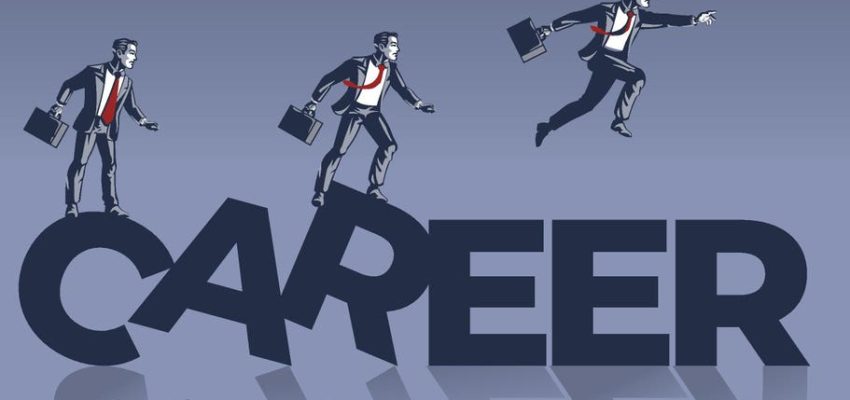

In the relentless pursuit of excellence that characterizes our modern professional landscape, certain individuals stand out. These are the high achievers, the innovators, the ones who consistently push boundaries and redefine what’s possible. Their journeys are often celebrated, their successes emulated. Yet, beneath the veneer of triumph, a peculiar paradox often takes root. As an AI specialist and someone deeply embedded in the fast-paced world of technology, I’ve observed a recurring pattern: the very habits that propel these individuals to extraordinary heights can, ironically, become their undoing. The drive for success, when unchecked, can morph into a hidden career problem – one that many only notice when its grip becomes stifling. This isn’t just about working hard; it’s about the systemic erosion of well-being, adaptability, and ultimately, the very purpose that initially fueled their ambition. It’s a silent crisis affecting some of our brightest minds, compelling us to ask: what happens when the road to success leads to an unexpected precipice?
High Achiever Burnout: The Unseen Cost of Relentless Drive
The term high achiever burnout might sound counterintuitive. How can someone at the pinnacle of their career, consistently exceeding expectations, be struggling? The reality is nuanced and deeply concerning. For these individuals, burnout isn’t merely fatigue; it’s a profound state of emotional, physical, and mental exhaustion caused by prolonged or excessive stress. Unlike general workplace stress, high achiever burnout often stems from an internal drive amplified by external pressures. Studies from organizations like the World Health Organization (WHO) recognize burnout as an occupational phenomenon, often characterized by feelings of energy depletion, increased mental distance from one’s job, and reduced professional efficacy. For the high achiever, this manifests as a chilling disconnect: they are performing at an elite level, yet feeling increasingly empty, rigid, or detached from the meaning of their work.
Consider the typical trajectory. From academic excellence to early career triumphs, high achievers are conditioned to believe that more effort equals more reward. They internalize the belief that their worth is intrinsically linked to their output and accomplishments. This mindset, while incredibly effective in driving initial success, often cultivates a set of habits that are difficult to break: working longer hours, taking on more responsibilities, saying ‘yes’ to every challenge, and rarely, if ever, pausing for self-reflection or rest. The adrenaline rush of constant achievement becomes a baseline, making true relaxation feel unproductive or even unsettling. This relentless pace not only depletes their physical and mental reserves but also fosters an environment where genuine self-care is seen as a luxury rather than a necessity. The consequence? A slow, insidious creep of exhaustion that eventually culminates in a full-blown crisis, where the joy of work is replaced by cynicism and dread.
The Paradox of Entrenched Habits and Lost Adaptability
One of the most insidious aspects of this challenge is how success itself can create a rigid framework. When a particular approach yields consistent positive results, it becomes deeply ingrained. For high achievers, these successful patterns often include an intense focus on specific metrics, an unwavering commitment to personal control, and a reluctance to delegate. Why change a winning formula? This mindset, while seemingly logical, paradoxically stifles growth and adaptability—two critical ingredients for long-term career resilience, especially in a world reshaped by rapid technological advancements like artificial intelligence.
In the early stages of a career, this laser focus is invaluable. It helps individuals master skills, climb corporate ladders, and build a reputation for reliability and excellence. However, as responsibilities grow and the professional landscape evolves, the same rigidity that once guaranteed success can become a significant impediment. The insistence on personally overseeing every detail, for instance, prevents effective team building and leadership development. The refusal to pivot from established methods, even when new tools or paradigms emerge (think of the transformative power of generative AI in recent years), can leave even the most accomplished professionals falling behind. The fear of ‘losing their edge’ or jeopardizing their hard-won status often paralyzes them from embracing uncertainty or exploring unconventional paths. This creates a cycle where they continue to double down on familiar, yet increasingly unsustainable, practices, further contributing to their high achiever burnout and isolating them from opportunities for novel development. It’s a classic case of what got you here won’t get you there, but with an added psychological burden of having to unlearn deeply reinforced behaviors.
Reconnecting with Meaning: Beyond the Metrics of Success
Perhaps the most profound consequence of this career problem is the growing disconnect from meaningful growth. For high achievers, growth is often equated with promotion, increased salary, larger teams, or more prestigious titles. These are indeed forms of external, ‘horizontal’ growth. However, true, sustainable growth—what some might call ‘vertical’ or transformative growth—involves expanding one’s capabilities, understanding, and sense of purpose. It’s about learning new domains, embracing vulnerability, and developing a deeper sense of self-awareness.
When the pursuit of external validation becomes the sole driver, high achievers can find themselves achieving impressive milestones but feeling a profound lack of fulfillment. The work becomes a means to an end, a series of tasks to be completed rather than a canvas for creativity and passion. This can lead to a ‘treadmill effect,’ where despite running faster and further, they remain in the same place emotionally and intellectually. They might find themselves asking: ‘Is this all there is?’ This question signals a critical moment—a realization that the definition of success needs to be broadened beyond tangible outputs.
This is where my perspective as an AI specialist becomes particularly relevant. While AI and technology often accelerate the pace of work, contributing to the ‘always-on’ culture, they also offer unprecedented opportunities for reflection and recalibration. For instance, AI-powered analytics can help individuals identify patterns in their work habits, revealing inefficiencies or areas of high stress. Automation tools can free up cognitive load from repetitive tasks, allowing high achievers to dedicate more time to strategic thinking, innovation, and truly meaningful projects. The key lies in leveraging these tools not just for productivity, but for enhancing personal and professional well-being, fostering a deeper connection to the ‘why’ behind their achievements. Embracing new technologies is not just about staying competitive; it’s about evolving one’s approach to work, allowing for a more balanced and purposeful engagement with their career trajectory and mitigating the risk of high achiever burnout.
To navigate these hidden traps, high achievers must intentionally redefine their relationship with success and adopt new strategies for sustainable growth. This isn’t about working less, but about working smarter, more purposefully, and with greater self-awareness.
- Redefine Success Beyond Metrics: Challenge the ingrained belief that success is solely defined by external accomplishments. What does ‘meaningful’ success look like for you? Is it impact, innovation, mentorship, or work-life harmony? Shifting this internal narrative is paramount. Embrace the idea of ‘enough’ and celebrate incremental progress rather than only grand victories.
- Cultivate Self-Awareness and Boundaries: Understanding your personal limits and triggers for stress is crucial. Regular reflection, perhaps through journaling or mindfulness practices, can help. Crucially, learn to set and enforce healthy boundaries—saying ‘no’ to non-essential tasks, protecting personal time, and actively disengaging from work when necessary. This is a skill that takes practice but is indispensable for preventing high achiever burnout.
- Embrace Adaptability and Lifelong Learning: In a world where AI is rapidly transforming industries, rigidity is a liability. High achievers must cultivate a growth mindset, being open to new ideas, technologies, and ways of working. This means actively seeking out opportunities to learn, even if it means stepping outside their comfort zone or admitting they don’t have all the answers. Consider adopting AI tools for personal learning and development, not just professional tasks.
- Delegate and Empower Others: A critical step for leaders is to relinquish some control and trust their teams. Effective delegation not only lightens their own load but also empowers colleagues, fosters team growth, and builds a more resilient organizational structure. This frees up the high achiever to focus on higher-level strategic thinking rather than getting bogged down in minutiae.
- Seek Mentorship and Diverse Perspectives: Connect with mentors who have navigated similar challenges or who offer different perspectives. Surrounding yourself with diverse viewpoints can break down rigid thinking patterns and offer new insights into sustainable career paths. Sometimes, an external voice is needed to challenge deeply held assumptions.
- Leverage Technology Mindfully: As an AI specialist, I advocate for using technology as an enabler, not a burden. Automation can handle repetitive tasks, freeing up valuable time. AI-powered tools can assist with scheduling, communication, and even data analysis, streamlining workflows. However, it’s vital to use these tools mindfully, ensuring they serve to enhance well-being and purpose, rather than simply fueling more relentless work. For instance, scheduling regular digital detoxes can be as important as optimizing your email workflow with AI.
The journey of a high achiever is often one of immense dedication and remarkable accomplishment. Yet, the very traits that propel individuals to such heights can, if left unexamined, lead them down a path of increasing dissatisfaction, rigidity, and the insidious creep of high achiever burnout. Recognizing this paradox is the first, crucial step toward sustainable success. It’s about acknowledging that true achievement isn’t just about reaching the summit, but about enjoying the climb and ensuring the journey itself is enriching and meaningful.
As the professional landscape continues to evolve at an unprecedented pace, driven largely by innovations in AI and technology, the need for adaptability, self-awareness, and a holistic definition of success has never been more urgent. For high achievers, this means a conscious effort to challenge ingrained habits, cultivate mental fortitude, and embrace a path of continuous, purposeful growth. It requires a willingness to redefine personal metrics of success, to build robust support systems, and to leverage technological advancements wisely. Ultimately, by proactively addressing these hidden traps, high achievers can not only reclaim their well-being but also forge careers that are not only impactful and celebrated, but profoundly fulfilling and enduring.










