
Summer often evokes images of sun-drenched relaxation, endless leisure, and a much-needed break from academic rigors. For many high school students, these months are a time to recharge, pursue hobbies, or even gain valuable work experience. However, an increasing number of ambitious teens are choosing a different path, one that blends intellectual curiosity with a strategic investment in their future: immersive academic summer programs.
These specialized initiatives, often hosted by prestigious universities, offer a unique opportunity to experience higher education firsthand. Far from a typical summer school, they provide a taste of college life, advanced academic exploration, and invaluable career insights. The University of Nebraska-Lincoln, through its Big Red Summer Academic Camps, stands as a prime example of this growing trend, attracting a record 150 students from across the Midwest eager to bridge the gap between high school and what lies beyond. As an AI specialist and tech enthusiast, I see these programs not just as educational ventures but as crucial incubators for future talent, fostering critical thinking and adaptability – skills paramount in our rapidly evolving world.
Pre-College Programs: A Gateway to Academic and Personal Growth
What exactly defines these enriching summer experiences? At their core, pre-college programs are designed to give high school students a realistic preview of university academics and campus culture. Unlike general summer camps, these are structured, curriculum-driven initiatives that challenge students intellectually, often in subjects they wouldn’t encounter until college. They delve deeper into specialized fields, encouraging participants to explore potential majors and career paths with a level of rigor that transcends standard high school coursework.
The value proposition of these programs is multifaceted. Firstly, they provide unparalleled academic enrichment. Students can choose from a diverse array of subjects, ranging from advanced STEM fields like robotics and bioinformatics to humanities like creative writing and philosophy, or even practical areas like business and entrepreneurship. Imagine a high school junior spending two weeks in a university lab, conducting experiments alongside faculty researchers, or a budding writer honing their craft under the guidance of published authors. This hands-on, immersive learning environment not only deepens understanding but also ignites a passion for lifelong learning.
Beyond the classroom, these programs offer a simulated college environment. Students often live in university dormitories, eat in dining halls, and utilize campus facilities such as state-of-the-art libraries, athletic centers, and research labs. This residential aspect is critical for developing independence, time management skills, and a sense of responsibility – all essential attributes for success in college. Navigating a new environment, managing a schedule, and collaborating with peers from diverse backgrounds contribute significantly to personal growth and self-reliance.
Expanding the Experience: What Students Gain
The benefits derived from participating in pre-college programs extend far beyond academic transcripts. They are formative experiences that shape a student’s confidence, clarify their aspirations, and provide a competitive edge in the arduous college admissions process. Let’s explore some key advantages:
* **Academic Advancement and Specialization:** These programs allow students to explore subjects at a university level, often with specialized equipment and expert faculty. For instance, a student interested in engineering might participate in a program focused on renewable energy, gaining practical experience that would be impossible in a typical high school setting. This early exposure helps them confirm or refine their academic interests before committing to a college major.
* **Campus Life Immersion:** Living on campus provides a taste of collegiate independence. Students learn to manage their own schedules, balance academic work with social activities, and live collaboratively with roommates. This pre-emptive adaptation significantly reduces the culture shock often experienced by first-year college students, making for a smoother transition when they eventually enroll.
* **Networking and Mentorship Opportunities:** Participants have the unique chance to interact with university professors, current college students acting as mentors, and admissions officers. These connections can lead to invaluable advice, letters of recommendation, or even future research opportunities. Moreover, students build a network of like-minded peers from different geographic and socioeconomic backgrounds, fostering diverse perspectives and lasting friendships.
* **Career Exploration:** Many pre-college programs are structured around specific career pathways. A student contemplating a career in medicine might attend a medical academy, shadowing doctors or participating in simulated clinical experiences. This direct exposure helps them assess if a particular field aligns with their interests and aptitude, saving time and resources down the line by confirming or redirecting their career aspirations.
* **A Competitive Edge in College Admissions:** Participation in a reputable academic summer program demonstrates initiative, intellectual curiosity, and a commitment to higher education. It signals to admissions committees that a student is proactive, capable of handling college-level work, and genuinely invested in their chosen field. This can be a significant differentiator in a highly competitive application landscape, showcasing a depth of engagement beyond grades and standardized test scores.
The Big Red Summer Academic Camps Model: A Case Study in Opportunity
The Big Red Summer Academic Camps at the University of Nebraska-Lincoln serve as an excellent illustration of how these programs are effectively preparing the next generation. Drawing a record 150 high school teens from across the Midwest, these camps are more than just summer activities; they are intentional pathways to future success. The University of Nebraska-Lincoln (Nebraska U.) leverages its extensive academic resources and vibrant campus environment to create an immersive and impactful experience.
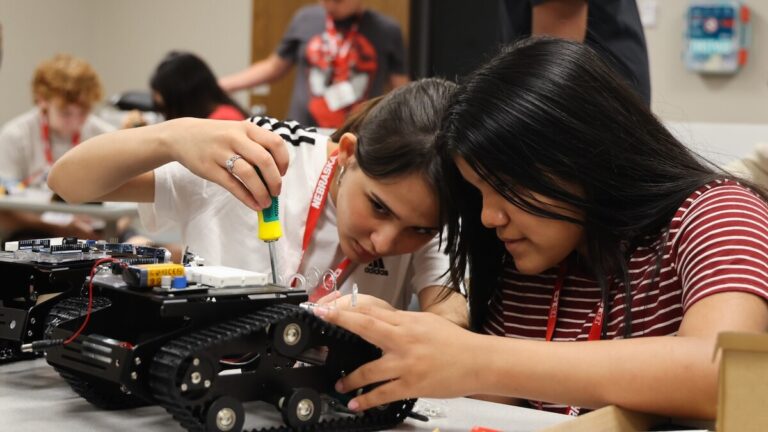
Students attending Big Red Camps might find themselves engaged in cutting-edge robotics workshops, designing sustainable solutions in an engineering lab, or exploring the intricacies of judicial systems in a mock trial setting. Other tracks could involve developing entrepreneurial pitches, delving into advanced creative writing techniques, or investigating environmental science topics through fieldwork. The strength of such programs lies in their ability to offer specialized content that goes beyond the typical high school curriculum, allowing students to ‘test drive’ academic areas that pique their interest.
For participants from the Midwest, these camps often provide their first extended stay on a major university campus, demystifying the college experience. It’s an opportunity to learn not just about subjects, but about the rhythm of university life: early morning lectures, late-night study sessions, collaborative group projects, and independent exploration. The program fosters a sense of belonging within a larger academic community, preparing students for the intellectual and social challenges of higher education. The investment made by institutions like Nebraska U. in these pre-college programs underscores a commitment to nurturing talent and expanding access to higher education for a diverse range of students.
Choosing the Right Investment: Navigating Your Options
For students and parents considering pre-college programs, the options can seem overwhelming. It’s crucial to approach this decision strategically, much like any significant investment in education. Here are some key factors to consider:
* **Align with Interests and Goals:** The most effective programs are those that genuinely align with a student’s academic passions and career aspirations. Research programs that offer specific tracks in subjects of interest. Is the goal academic enrichment, career exploration, or a boost for college applications?
* **Program Structure and Duration:** Some programs are residential, offering a full campus immersion, while others are day programs. Durations can vary from one week to several, each offering a different level of intensity and depth. Consider what best suits the student’s readiness for independence and academic focus.
* **Cost and Financial Aid:** These programs can represent a significant financial commitment. Explore scholarships, grants, and financial aid options offered by the host universities or external organizations. Many institutions are committed to making these opportunities accessible.
* **University Reputation and Faculty:** Research the hosting institution and the faculty involved. A program at a reputable university with experienced instructors can offer unparalleled academic rigor and networking opportunities.
* **Social and Support Systems:** Investigate the student-to-staff ratio, the types of extracurricular activities offered, and the level of supervision and support provided. A balanced program fosters both academic growth and personal well-being.
Ultimately, choosing the right pre-college programs is about making an informed decision that maximizes the return on investment – not just financially, but in terms of personal development, intellectual growth, and future readiness. It’s about selecting an experience that will empower students to confidently step into their next educational chapter.
In an increasingly competitive global landscape, where the demands of higher education and the professional world are constantly evolving, proactive measures are more vital than ever. The decision to forgo a purely leisurely summer in favor of an academically enriching one is a testament to a student’s foresight and determination. Programs like the Big Red Summer Academic Camps are not just summer activities; they are strategic launchpads for future success, offering a unique blend of academic challenge, personal growth, and invaluable insights into the collegiate and professional worlds.
By engaging with pre-college programs, students aren’t just filling their summer; they are building foundational skills, clarifying their aspirations, and gaining a significant advantage in their journey toward higher education and meaningful careers. As technology continues to reshape industries and demands new competencies, fostering curiosity, critical thinking, and adaptability from an early age becomes paramount. These immersive summer experiences are precisely the kind of thoughtful investment in human potential that will empower the next generation of leaders, innovators, and problem-solvers to thrive in the complex future that awaits them.