

Hello, readers and fellow enthusiasts of technology and public safety! André Lacerda here, diving into a topic that’s becoming increasingly vital in our rapidly evolving world: the cultivation of the next generation of professionals who will protect our communities. In an era defined by technological advancements, societal shifts, and a growing need for skilled leadership, how we recruit and prepare our future police officers has never been more critical.
The career in public safety is one of the most challenging and noble, demanding not only physical courage but also mental resilience, interpersonal skills, and a deep understanding of the community. Yet, law enforcement agencies worldwide face significant hurdles in attracting and retaining qualified talent. It is against this backdrop that innovative programs, focused on nurturing young talent from an early age, are emerging as a vital solution.
Police Career Pipeline Program: Building the Next Generation of Law Enforcement
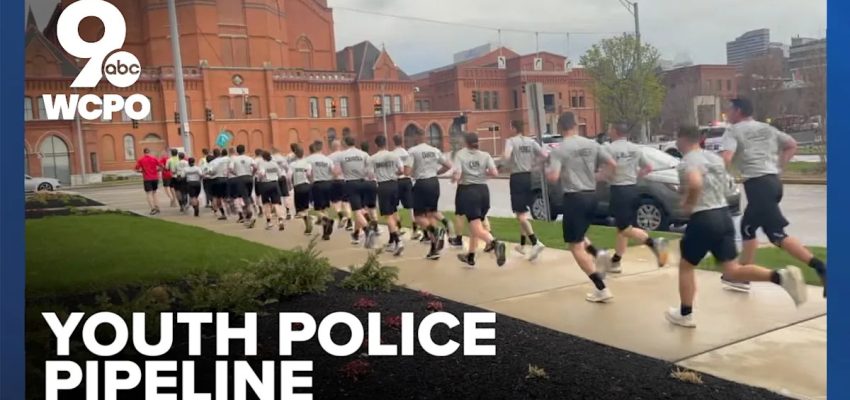
Imagine a system where young individuals, still in high school, are introduced to the rigorous yet rewarding path of a career in public safety. This isn’t a fantasy; it’s the core essence of a Police Career Pipeline Program. These programs are structured initiatives designed to identify, recruit, train, and mentor youth who demonstrate an interest and aptitude for becoming police officers. Instead of waiting for candidates to emerge after college graduation or military service, these programs seek to cultivate them from a younger age, often starting with high school students or immediately following their graduation.
Historically, police recruitment relied on a mix of walk-in applications, ex-military personnel, and college graduates who opted for the profession. While these sources remain crucial, social and demographic dynamics have shifted. Newer generations often have different career aspirations, and public perception of policing has become complex. In response to these challenges, police departments, such as the Chicago Police Department (CPD) and others across the nation, are either reviving or launching new pipeline programs. The objective is clear: to create a continuous flow of diverse, well-prepared candidates who are deeply rooted in their communities.
A typical **Police Career Pipeline Program** can involve a range of components. It might commence with explorer or cadet programs that offer practical insights into daily police work, combining theoretical education with hands-on experience. Participants might learn about constitutional law, police ethics, communication techniques, self-defense, and even the fundamentals of criminal investigation. Physical fitness is a cornerstone, preparing young people for the profession’s demanding physical requirements, while academic development ensures they continue their studies, often with support for college admissions or police academies.
One remarkable aspect of these programs is their capacity to build trust. When young individuals interact with officers in a positive, structured environment, they not only learn about the profession but also develop a deeper, more positive relationship with law enforcement. This foundation of trust is invaluable, not just for the individuals who might become officers, but for the community as a whole, which sees its youth being invested in and prepared for a role of civic leadership. Furthermore, by providing early exposure and mentorship, these youth programs help demystify the police force, breaking down stereotypes and fostering mutual understanding. This proactive engagement is crucial for dispelling misconceptions that might arise from limited or negative interactions, paving the way for a more collaborative community-police relationship in the future. The personal stories and experiences shared within a Police Career Pipeline Program also offer a human element, allowing young people to connect with officers on a personal level, recognizing their dedication and the complexities of their roles.
The Evolving Landscape of Policing and Recruitment Challenges
Modern law enforcement is a complex and multifaceted arena. The challenges faced by police departments today extend far beyond simple order maintenance. They include responding to mental health crises, navigating social justice issues, combating sophisticated cybercrimes, and rebuilding community trust. Simultaneously, many agencies are struggling to fill their ranks, with retirement rates often outpacing the number of new recruits in certain areas across the United States and other developed nations. For instance, a 2021 survey by the Police Executive Research Forum (PERF) found that police departments experienced a 45% increase in resignations and an 18% increase in retirements compared to the previous year, highlighting a significant staffing crisis.
This personnel shortage is exacerbated by a variety of factors. Competition for talent in other industries is intense, particularly as the gig economy and tech sectors offer alternative career paths. Additionally, negative public perceptions surrounding isolated incidents can deter potential candidates from considering a career in uniform. This is precisely where a robust career development initiative, or **Police Career Pipeline Program**, becomes not merely beneficial but absolutely essential. By actively engaging young people and shaping their understanding of the profession early on, these programs can combat misconceptions, highlight the positive aspects of public service, and build a more resilient and adaptable workforce.
Moreover, diversity is a growing and valid concern. It is widely accepted that a police force that mirrors the community it serves is more effective and trustworthy. Pipeline programs are powerful tools for achieving this diversity, reaching out to young individuals from various ethnic, socioeconomic, and cultural backgrounds. By offering equal opportunities and removing barriers to entry, these initiatives help create a more representative pool of candidates who bring a broader range of perspectives and experiences to the table, enriching internal dialogue and improving public interaction. For example, a department that historically struggled to recruit from minority communities can use targeted outreach within schools in those neighborhoods to introduce students to the **Police Career Pipeline Program**, thus fostering a diverse applicant pool from within the community itself. This not only fulfills diversity quotas but genuinely integrates the police force with the fabric of society it pledges to protect.
In addition to attracting talent, the costs associated with recruiting and training a new officer can be substantial, often running into the tens of thousands of dollars. Investing in a **Police Career Pipeline Program** can, in the long run, optimize these costs. By pre-screening and pre-training candidates, agencies can reduce initial turnover and ensure that individuals entering the police academy already possess a solid foundation of knowledge and commitment, making the training process more efficient and effective. This proactive approach minimizes the risk of significant investment in individuals who may later discover the career isn’t for them, thereby maximizing resource allocation and enhancing departmental readiness.
Benefits for Youth, Departments, and Communities
The benefits of a robust Police Career Pipeline Program are far-reaching, positively impacting three primary groups: the young participants, the police departments, and the communities they serve.
For the **youth**, these programs offer an unparalleled gateway to a meaningful career. They gain:
* **Guidance and Mentorship:** Opportunities to learn directly from experienced police officers, who can serve as role models and guides, sharing invaluable insights and life lessons.
* **Skill Development:** Acquiring valuable transferable skills such as communication, leadership, problem-solving, discipline, and responsibility—skills crucial for any career path, but particularly vital for law enforcement. These soft skills are often overlooked in traditional academic settings but are paramount for effective policing.
* **Stability and Security:** The promise of a stable career with competitive benefits and opportunities for growth, which is particularly appealing in an uncertain job market. A career in public service often comes with robust retirement plans and health benefits, providing long-term security.
* **Sense of Purpose:** The chance to make a tangible difference in their communities, serving and protecting, fostering a deep sense of civic duty and personal fulfillment. This early exposure can instill a lifelong commitment to public service.
For **police departments**, the investment in a **Police Career Pipeline Program** is a strategic move for the future:
* **Qualified Talent Pool:** Ensures a steady stream of well-prepared candidates who are already familiar with the department’s culture and expectations, significantly reducing the learning curve upon entry.
* **Enhanced Diversity:** Helps build a workforce that better reflects the diversity of the community, which is vital for police legitimacy, effectiveness, and fostering positive community relations.
* **Community Engagement:** Strengthens ties with the community, demonstrating a commitment to developing its youth and building a safe future together. This proactive engagement can improve public perception and foster trust.
* **Cost Reduction:** Potentially reduces long-term recruitment and training costs by decreasing turnover and increasing success rates in academies. Recruiting individuals who are already committed saves resources in the long run.
For the **communities**, the impact is perhaps the most profound:
* **Improved Safety:** A well-trained, diverse, and engaged police force is more effective in preventing and responding to crime, leading to safer neighborhoods and a stronger sense of security.
* **Rebuilt Trust:** When young people from within the community are nurtured and prepared to serve, it can help heal historical divisions and build a foundation of mutual trust and respect between law enforcement and citizens.
* **Local Leadership:** Produces future community leaders who have an intrinsic understanding of their neighborhoods’ challenges and aspirations, bringing a valuable local perspective to policing strategies.
* **Return on Investment:** The taxes and resources invested in the program return in the form of more robust public safety and a more cohesive, harmonious community. It’s an investment in the social fabric itself.
Cultivating Skills for Modern Law Enforcement: Beyond the Badge
The police force of the 21st century is not the same as it was decades ago. Technology, particularly artificial intelligence, data analytics, and automation, is reshaping how crimes are investigated, emergencies are managed, and cities are protected. An effective Police Career Pipeline Program must, therefore, move beyond traditional skills, incorporating a curriculum that prepares future officers for this technologically advanced environment.
Modern programs might include modules on digital literacy, basic data analysis to understand crime patterns, the ethical use of surveillance technologies, and the importance of cybersecurity. While future officers won’t necessarily be AI programmers, they will need to understand how AI is used in tools like facial recognition, predictive policing systems, and autonomous patrol vehicles. The ability to interact with, and critically question, these technologies will be a crucial skill. For example, understanding the biases inherent in certain AI algorithms or the limitations of data-driven predictions is essential for responsible policing. Furthermore, the emphasis on conflict resolution, de-escalation tactics, and empathy is more important than ever, as officers become more than just law enforcers, but also social mediators and providers of support in moments of crisis.
Developing a mindset of continuous learning is also fundamental. The field of public safety is constantly evolving, and tomorrow’s officers will need to be adaptable and open to new methodologies and technologies. A successful pipeline program will instill this curiosity and the desire for professional growth from the very beginning of an individual’s career. This includes fostering critical thinking skills, problem-solving capabilities, and the ability to work collaboratively in diverse teams, all of which are essential for navigating complex situations in the field.
It’s fascinating to observe how the fusion of humanity and technology is becoming central to the future of public safety. While technology can offer powerful tools, human discernment, ethics, and compassion remain irreplaceable. This is precisely what these pipeline programs aim to cultivate: well-rounded individuals who are as adept with technology as they are sensitive to community needs. They are fostering a generation of officers who can leverage the power of AI and data for good, while always prioritizing human rights and community well-being. This balance is key to building trust and ensuring justice in the digital age.
In summary, the revitalization and expansion of programs like the Police Career Pipeline Program represent a pivotal step in ensuring that our law enforcement agencies are equipped with the best and brightest talent for tomorrow’s challenges. By investing in our youth today, we are not merely filling vacancies; we are shaping the leaders, mediators, and protectors who will uphold the safety and integrity of our communities long into the future.
These programs are more than just career pathways; they are strategic investments in social resilience and effective governance. They demonstrate a commitment to the vision that public safety is a shared responsibility, one that begins with the development of our youth and culminates in safer, more just, and more connected communities. As an enthusiast for the intersection of technology and human progress, I see in these programs a powerful manifestation of how future-forward vision and investment in human capital can transform critical sectors of our society. May we see more of these initiatives flourish and inspire the next generation of public service heroes.










