
In an era defined by unprecedented technological acceleration, where artificial intelligence (AI) is not just a buzzword but a transformative force reshaping industries and job roles, preparing the next generation for the workforce has never been more critical. As an AI specialist and tech enthusiast, I constantly ponder the skills and mindsets our youth will need to thrive in a world increasingly augmented by intelligent systems. It’s a complex challenge, yet the solutions often begin at the community level, with initiatives that bridge the gap between education and the dynamic demands of the professional world.
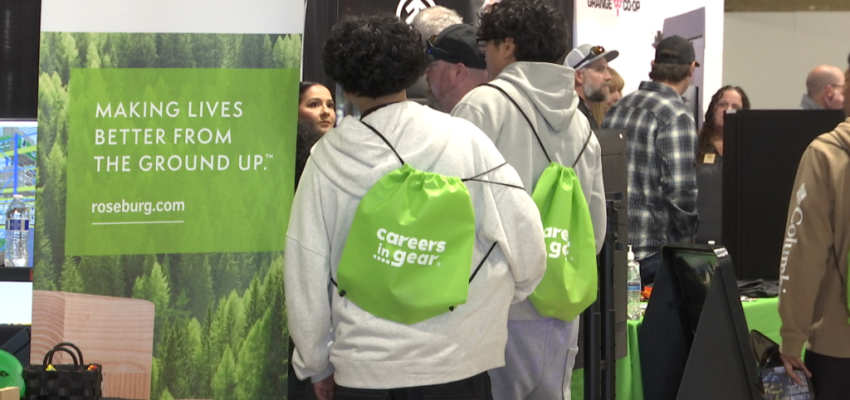
Recently, an inspiring example of this proactive approach unfolded in the Rogue Valley, Oregon. The annual ‘Careers in Gear’ event, held at the Jackson County Expo in Central Point, brought together an impressive coalition of educators, local employers, and, most importantly, students. While the headlines often focus on the grand narratives of global tech giants and national policy, it’s these grassroots efforts that lay the foundational stones for future innovation and economic resilience. This event, which united students from 46 schools with over 120 local businesses, wasn’t just a day out of the classroom; it was a crucial step in illuminating the diverse and evolving **career pathways for students** in a tangible, interactive manner.
### Career Pathways for Students: Navigating a Dynamic Future
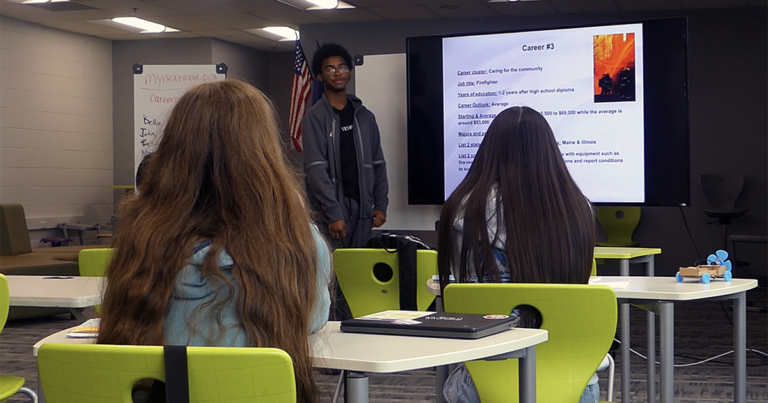
The traditional model of education often funnels students toward a few well-trodden paths, sometimes inadvertently leaving them ill-equipped for the fluid realities of the modern job market. The ‘Careers in Gear’ event stands as a stark contrast to this, offering a panoramic view of potential professional trajectories right within the students’ local ecosystem. Imagine a high school student, perhaps grappling with the abstract concept of ‘future jobs,’ suddenly face-to-face with a robotics engineer, a healthcare professional, a skilled tradesperson, or a software developer. This direct interaction is invaluable. It transforms vague aspirations into concrete possibilities, helping students connect their classroom learning to real-world applications and the skills required to succeed.
In today’s landscape, driven heavily by technological advancements, understanding potential employment avenues is more vital than ever. Automation, machine learning, and advanced analytics are redefining everything from manufacturing to creative industries. A report by the World Economic Forum, for instance, predicts that 97 million new jobs will emerge by 2025, while 85 million jobs may be displaced by a shift in the division of labor between humans and machines. This isn’t a doomsday prediction but a clarion call for adaptability and continuous learning. Events like ‘Careers in Gear’ provide a vital early exposure, allowing students to grasp the evolving demands of industries and the new skills they will need to cultivate, from digital literacy and data analysis to critical thinking and emotional intelligence – skills that AI complements rather than replaces.
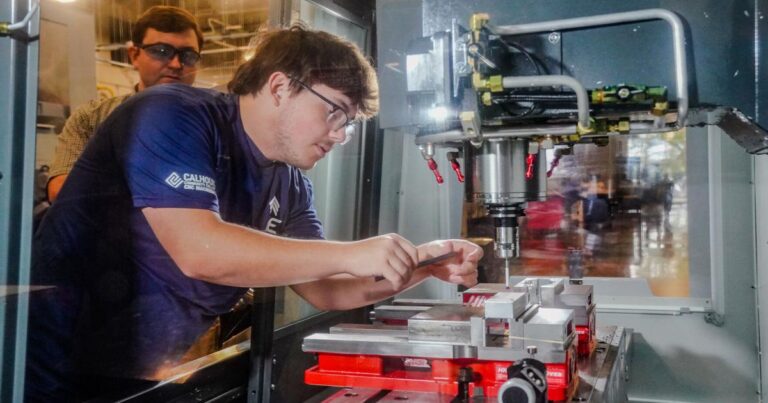
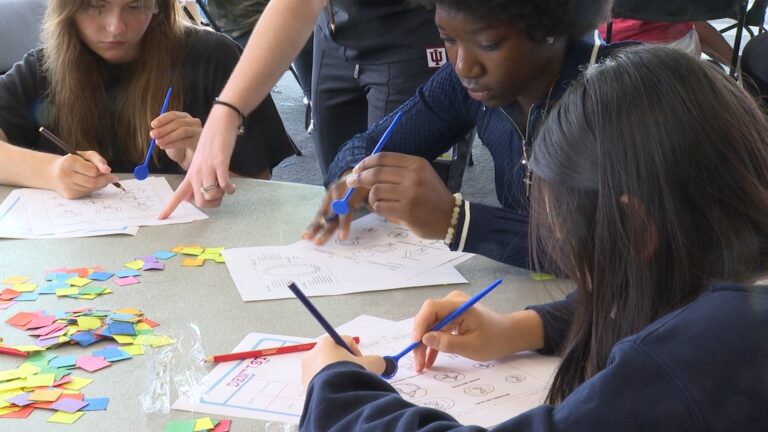
The event’s format, allowing students to ‘participate’ beyond mere observation, is particularly effective. This could mean anything from hands-on workshops demonstrating welding techniques, coding challenges, medical simulations, or even virtual reality experiences showcasing architectural design. Such immersive experiences are crucial for reinforcing learning and sparking genuine interest. They move beyond theoretical explanations to practical engagement, making abstract concepts concrete. For example, a student interested in automotive repair might operate diagnostic software, or an aspiring graphic designer might experiment with industry-standard design tools. This level of participation is key to helping students envision themselves within these roles and understand the educational routes required to get there.
### Building Foundational Skills for the AI Age
Beyond simply showcasing jobs, events that highlight **career pathways for students** serve as platforms for emphasizing the foundational skills critical for the AI age. While technical proficiencies in coding, data science, and AI literacy are undeniably important, the human-centric skills are equally, if not more, vital. Creativity, complex problem-solving, critical thinking, collaboration, and emotional intelligence are the core competencies that AI struggles to replicate. These ‘soft skills’ become the bedrock upon which technical expertise can be effectively applied and evolved.
Consider the impact of AI on fields such as healthcare. While AI can analyze vast datasets for diagnoses or optimize treatment plans, the empathy, communication, and ethical reasoning of a human doctor remain indispensable. Similarly, in the trades, AI can streamline logistics and predictive maintenance, but the craftsmanship, adaptability, and on-the-spot problem-solving of a skilled artisan are irreplaceable. By engaging with professionals across a spectrum of industries, students gain a more nuanced understanding of this human-AI synergy. They learn that a future with AI isn’t about competing with machines, but about collaborating with them and leveraging uniquely human capabilities.
Local employers, by participating in such events, also play a crucial role in shaping the future workforce. They gain direct insight into the talent pipeline and can communicate their evolving needs to educational institutions. This feedback loop is essential. If a local manufacturing plant is increasingly adopting automation, their presence at ‘Careers in Gear’ allows them to show students the new skill sets required—perhaps not just operating machinery, but programming, maintaining, and troubleshooting automated systems. This direct line of communication helps ensure that educational curricula can adapt and align with the real-world demands of industry, fostering relevant and impactful professional growth for future generations.
### Bridging Education and Industry: A Collaborative Vision
The success of initiatives like ‘Careers in Gear’ hinges on a collaborative vision that transcends the boundaries of individual sectors. It requires educators, businesses, and community leaders to work in concert, recognizing that preparing young people for the future is a shared responsibility. Schools provide the foundational knowledge, businesses offer real-world context and opportunities, and the community creates the infrastructure for these connections.
Furthermore, these events are excellent opportunities to address potential biases and broaden horizons. Students from diverse backgrounds might not traditionally consider certain fields, either due to lack of exposure or perceived barriers. By showcasing a wide array of options and emphasizing that success in any field requires a mix of passion, perseverance, and relevant skills, such events democratize access to information about **career pathways for students**. They can inspire students to explore fields they might not have otherwise considered, from sustainable agriculture incorporating AI-driven precision farming to cybersecurity, a rapidly growing sector crucial in our digital age.
As we look ahead, the integration of technology—especially AI—into virtually every aspect of life will only deepen. Therefore, providing early, comprehensive, and interactive exposure to future work environments is not merely beneficial; it is imperative. These events are not just about choosing a job; they are about understanding the evolving nature of work itself, fostering adaptability, and instilling a lifelong learning mindset. They encourage students to be proactive architects of their professional destinies, rather than passive recipients of an ever-changing job market. The insights gained from direct interaction with professionals and hands-on experiences are far more impactful than theoretical discussions, helping students to make informed decisions about their academic and vocational choices.
### Conclusion
The ‘Careers in Gear’ event in Central Point, while local in its immediate scope, embodies a universal imperative: to equip the next generation with the foresight, skills, and adaptability needed to navigate an increasingly complex and AI-infused world. It’s a testament to the power of community collaboration, demonstrating how purposeful engagement between education and industry can illuminate countless **career pathways for students**, transforming uncertainty into opportunity. Such initiatives are more than just annual gatherings; they are strategic investments in human capital, fostering curiosity, resilience, and a forward-thinking mindset.
As AI continues its rapid ascent, redefining industries and creating entirely new job categories, the importance of these foundational experiences will only grow. It is through these tangible connections that young individuals can begin to chart their unique courses, armed with a clearer understanding of the demands and rewards of the future workforce. By nurturing an environment where students can explore, question, and engage directly with the professional world, we are not just preparing them for jobs; we are empowering them to innovate, lead, and thrive in the collaborative, AI-augmented future that awaits us all.