
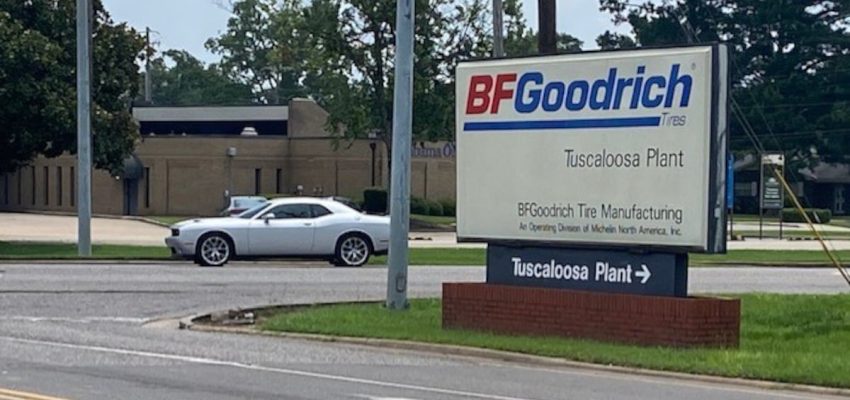

The global economy is a dynamic ecosystem, constantly reshaped by technological advancements, market shifts, and evolving consumer demands. For decades, industries have provided stable employment for millions, anchoring communities and building legacies. Yet, the sands are always shifting. When a venerable institution, like a long-standing manufacturing plant, announces the cessation of operations, it sends ripples far beyond its factory gates. The recent news regarding organizations committed to supporting BFGoodrich employees through a significant career transition over the next two years underscores a profound reality: change is the only constant, and adapting to it requires foresight, empathy, and innovative solutions. As an AI specialist and a passionate observer of the future of work, I see these moments not just as challenges, but as critical junctures that demand a proactive and technology-driven approach to human development.
For the individuals who have dedicated decades to a company, contributing to its success and weaving their lives into its fabric, the news of a plant closure is more than just a job loss; it’s a significant disruption to their identity, financial stability, and community ties. It’s a reminder that even in an era of unprecedented prosperity, economic forces can necessitate difficult decisions. However, this is also where innovation steps in. How can we leverage the power of advanced technology, particularly artificial intelligence, to transform these challenging situations into empowering journeys of professional reinvention and growth? This question is at the heart of building a resilient workforce capable of thriving in the 21st century.
Career Transition in the Age of Automation and AI
The concept of a singular, lifelong career path is rapidly becoming a relic of the past. Today’s workforce is increasingly defined by agility, continuous learning, and adaptability. This shift is largely propelled by the relentless march of technology, particularly automation and artificial intelligence. While these technologies promise increased productivity and innovation, they also bring about significant disruptions to traditional employment models. Industries like manufacturing, which have historically relied on large human workforces for repetitive tasks, are often at the forefront of these transformations. The decision to cease operations at a plant, such as the one impacting BFGoodrich employees, is frequently influenced by factors like global supply chain optimization, increased automation, the pursuit of greater efficiencies, or shifts in market demand that render older operational models unsustainable.
This evolving landscape necessitates a fresh perspective on career transition. It’s no longer just about finding another job in the same field; it’s about identifying new opportunities, acquiring relevant skills, and often, charting an entirely new professional course. The World Economic Forum’s ‘Future of Jobs Report’ consistently highlights that millions of jobs will be displaced by automation in the coming years, but an even greater number of new jobs will emerge, particularly in roles requiring technological literacy, critical thinking, and creativity. This creates a fascinating dichotomy: a potential for job displacement, coupled with an unprecedented demand for new skills.
The challenge, then, lies in bridging this gap – in helping experienced workers, who may not have had to contemplate a fundamental shift in their careers before, navigate this complex terrain. This is precisely where AI can become an invaluable ally. By understanding the macro trends shaping the global economy, AI can help individuals understand *why* their current roles might be changing and *where* future opportunities are likely to arise. It moves beyond reactive job searching to proactive career planning, turning a potential crisis into a strategic opportunity for professional evolution.
Navigating the Labyrinth: Challenges and Opportunities for Displaced Workers
The journey of a career transition is rarely straightforward, particularly for those who haven’t sought new employment in many years. The initial shock of job loss can be profound, impacting mental health, financial security, and self-esteem. Workers from industries like manufacturing often possess highly specialized skills that, while valuable within their specific context, may not directly translate to emerging sectors without significant re-training. The ‘skill gap’ is a widely recognized hurdle, where the competencies demanded by new industries do not align with the existing skill sets of the available workforce.
Consider the average manufacturing employee. They might be proficient in operating complex machinery, adhering to strict safety protocols, and contributing to efficient production lines – skills that embody diligence, precision, and problem-solving. While these foundational attributes are universally valuable, the specific technical knowledge might require updating. The daunting prospect of learning entirely new software, understanding data analytics, or engaging with AI-driven systems can be intimidating, especially for individuals who left formal education decades ago. Furthermore, the modern job market often requires proficiency in digital tools for job searching itself – crafting digital resumes, navigating online application portals, and engaging in virtual interviews – which can be another barrier for those unfamiliar with these processes.
However, within these challenges lie immense opportunities. The very qualities honed in a manufacturing environment – attention to detail, reliability, teamwork, and practical problem-solving – are highly transferable. The need for human oversight, judgment, and creativity remains paramount, even in increasingly automated environments. The rise of ‘new collar’ jobs, which blend technical skills with soft skills, presents fertile ground for reskilling initiatives. These roles might not be strictly ‘tech’ jobs but require tech literacy, such as advanced manufacturing technicians working alongside robots, data-informed logistics coordinators, or customer success specialists for B2B tech solutions.
Moreover, the increasing demand for trades and vocational skills, albeit often augmented by technology, offers another avenue. Electricians, plumbers, and maintenance technicians, for example, are now expected to interact with smart systems, diagnostics software, and IoT devices. The key is to identify these intersections where existing skills can be augmented rather than entirely replaced. This is a crucial distinction: it’s not about erasing past experience, but about building upon it with new layers of knowledge and capability. Supporting organizations like those assisting BFGoodrich employees must focus on creating pathways that honor their professional history while opening doors to future possibilities, ensuring that every individual undergoing a career transition feels empowered and valued.
AI as a Catalyst: Empowering the Next Generation of Workers
In the grand tapestry of economic evolution, AI emerges as a powerful loom, capable of weaving new patterns of opportunity and support during a career transition. Far from being solely a harbinger of job displacement, AI, when applied thoughtfully, can be the ultimate equalizer, democratizing access to education, information, and personalized guidance that was once the exclusive domain of a few. For employees facing plant closures or significant industry shifts, AI can transform a bewildering journey into a structured, supported, and ultimately successful professional pivot.
One of the most immediate applications of AI is in personalized career counseling and guidance. Imagine an AI system that analyzes an individual’s existing skills, work history, and even personal preferences and aptitudes. It then cross-references this data with real-time labor market trends, identifying emerging job roles, in-demand skills, and potential pathways for reskilling. This goes beyond simple job matching; it’s about strategic foresight. Such a system could recommend specific vocational training programs, online courses, or certifications that offer the highest return on investment in terms of future employability, tailored precisely to the individual’s starting point. For instance, an experienced machine operator might be guided towards a program in robot programming or industrial IoT maintenance, leveraging their understanding of factory floor operations.
AI-powered learning platforms are another game-changer. These platforms can adapt educational content to an individual’s learning style and pace, offering targeted modules that address specific skill gaps. If an individual needs to learn basic coding, data literacy, or digital marketing fundamentals, AI can curate a personalized curriculum, provide interactive exercises, and offer instant feedback, much like a personal tutor. This accessibility to high-quality, customized education is vital for older workers who might feel daunted by traditional classroom settings or rigid academic schedules. Furthermore, AI can help in identifying ‘micro-credentials’ – smaller, stackable qualifications that prove proficiency in specific skills, offering faster pathways to employment compared to lengthy degree programs.
Beyond skill acquisition, AI tools can significantly streamline the job search process itself. AI-driven resume builders can optimize resumes for applicant tracking systems (ATS), ensuring that relevant keywords and experiences are highlighted. Interview preparation tools, powered by natural language processing, can simulate interview scenarios, offering constructive feedback on responses, tone, and body language. This gives individuals the confidence and polish needed to excel in competitive hiring environments. Moreover, AI can help identify remote work opportunities that might previously have been overlooked, broadening the geographical scope of job searching and enabling more flexibility for those who might prefer to stay in their communities.
Perhaps one of the most exciting aspects is AI’s ability to predict future labor market demands. By analyzing vast datasets from job postings, economic indicators, and industry reports, AI can forecast which skills will be most valuable in 3, 5, or even 10 years. This predictive power allows for proactive rather than reactive training, enabling organizations and individuals to invest in skills that will truly future-proof careers. For a workforce undergoing a collective career transition, like the BFGoodrich employees, this foresight is invaluable, guiding collective reskilling efforts towards sustainable and meaningful employment opportunities.
The successful implementation of AI in workforce development and professional evolution requires a collaborative ecosystem. Government agencies, educational institutions, private sector companies, and non-profits must work together to create comprehensive support systems. This includes funding for AI-powered platforms, developing industry-recognized curricula for new-collar jobs, and fostering mentorship programs that pair experienced workers with opportunities in emerging fields. The human element remains crucial; AI is a tool, not a replacement for human connection and guidance. It augments career coaches, mentors, and educators, providing them with more powerful insights and resources to help individuals on their journey.
Ultimately, the goal is to foster a culture of lifelong learning and adaptability. AI can instill confidence by providing clear pathways, tangible goals, and accessible resources. It can help individuals recognize that their years of experience are not obsolete but form a robust foundation upon which new, technologically enhanced skills can be built. By embracing AI as a partner in career transition, we can ensure that every worker, regardless of their starting point, has the opportunity to thrive in the dynamic economy of tomorrow.
The challenges presented by plant closures and significant industry shifts are undeniable, touching the lives of countless individuals and communities. The experience of BFGoodrich employees, like many before them, serves as a poignant reminder of the relentless pace of change in our industrial landscape. Yet, it also highlights an extraordinary opportunity for societal evolution: to embrace these transitions not as setbacks, but as catalysts for growth and innovation. As an AI specialist, I firmly believe that artificial intelligence holds immense potential to democratize access to career development resources, providing personalized pathways for reskilling and upskilling that were unimaginable just a few years ago. By fostering a collaborative ecosystem where technology, education, and human empathy converge, we can ensure that every individual is equipped to navigate the future of work with confidence and purpose.
The future workforce will be one defined by continuous learning and agile adaptation. Our collective responsibility is to ensure that no one is left behind in this transformation. By strategically deploying AI-powered tools for guidance, education, and job matching, we can empower individuals to not only survive but truly thrive through their career transition, turning moments of uncertainty into foundations for new successes. This isn’t just about economic resilience; it’s about upholding human dignity, fostering potential, and building a more equitable and opportunity-rich future for all.










