

The landscape of work is undergoing a profound transformation, driven by an accelerating wave of technological innovation, perhaps most significantly by artificial intelligence. As an AI specialist and tech enthusiast, I constantly ponder how we can best prepare the next generation for a world where careers are evolving faster than ever before, and new roles are emerging that we can barely conceive today. It’s a world that demands adaptability, critical thinking, and a solid foundation in practical skills. This challenge highlights the immense value of proactive educational initiatives that bridge the gap between academic theory and real-world application. Programs that introduce students to diverse career paths early on, offering tangible experience and strategic guidance, are not just beneficial; they are essential.
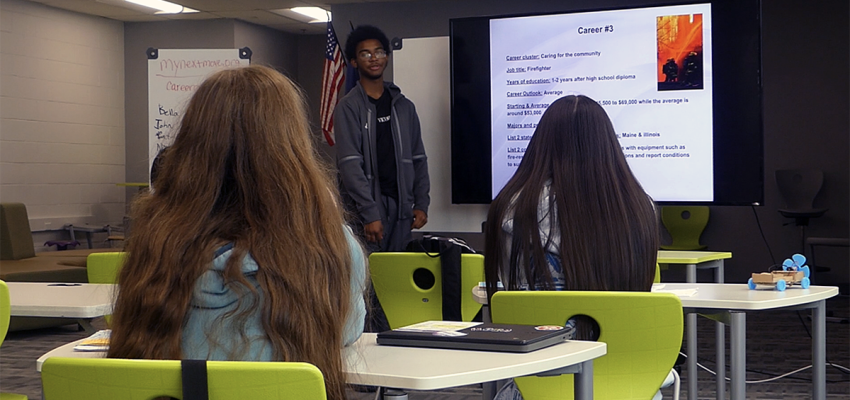
One such inspiring example is unfolding in Anchorage, where incoming high school freshmen are gaining a crucial head start through an innovative summer Career and Technical Education (CTE) program. This initiative is more than just a summer activity; it’s a strategic investment in the future, designed to equip young minds with the tools, knowledge, and confidence to navigate the complex, AI-augmented professional world that awaits them. By providing hands-on learning, planning tools, and even academic credit before the traditional high school journey begins, Anchorage is setting a precedent for how communities can effectively prepare their youth for the dynamic challenges and opportunities of the 21st century.
CTE Program: Building the Foundation for Tomorrow’s Workforce
Career and Technical Education, or CTE, represents a dynamic and vital branch of our educational system, designed to equip students with practical skills and knowledge directly applicable to specific career fields. Far from the outdated notion of “vocational training,” modern CTE programs are sophisticated, industry-aligned pathways that prepare students for high-demand jobs across a multitude of sectors, from healthcare and advanced manufacturing to information technology and green energy. The Anchorage initiative, which welcomes incoming freshmen to explore various vocations, is a brilliant demonstration of this evolution. These students are engaging in hands-on learning experiences, utilizing planning tools, and even earning academic credit before they officially step into high school. This early exposure to career possibilities is invaluable.
Historically, the focus of traditional education has often been on theoretical knowledge, with practical application deferred until higher education or post-graduation. However, the rapid pace of technological change, particularly the rise of AI, demands a different approach. The skills gap in many industries is widening, and employers are increasingly seeking candidates who possess not only foundational knowledge but also immediate, deployable competencies. A robust CTE program directly addresses this need by providing direct pathways to relevant skills. For instance, a program might introduce students to the fundamentals of coding, robotics, or data analytics – areas that are intrinsically linked to the development and application of AI. By engaging with these fields early, students can begin to understand the principles behind AI, how it operates in various industries, and its potential to reshape their chosen careers. According to Advance CTE, 92% of students who concentrate in CTE graduate from high school, and 78% enroll in postsecondary education, demonstrating its effectiveness as both a career and college readiness pathway. Furthermore, CTE concentrators often earn higher wages, with a study from Georgetown University’s Center on Education and the Workforce indicating that individuals with CTE associate degrees or certificates can out-earn those with bachelor’s degrees in some fields. These statistics underscore the tangible economic benefits and career stability offered by vocational education.
The Anchorage program exemplifies how early intervention can spark interest and provide direction. Imagine a student, on the cusp of high school, discovering a passion for sustainable engineering through a project-based learning module, or developing foundational cybersecurity skills that could lead to a career defending digital infrastructure. These aren’t just abstract ideas; they are concrete, engaging experiences that shape academic choices and future career trajectories. This type of experiential learning environment is critical for fostering a deep understanding of complex subjects and for nurturing the problem-solving abilities that are indispensable in an AI-augmented world. A strong CTE program is therefore not just about job training; it’s about building resilient, adaptable, and skilled individuals ready to contribute meaningfully to society.
The Power of Early Exposure: Navigating an AI-Augmented World
The transition from middle school to high school is a pivotal moment in a young person’s life, filled with choices that can significantly influence their academic and professional future. Introducing career exploration at this nascent stage, as the Anchorage program does for its incoming freshmen, offers a profound advantage. It allows students to explore various sectors without the pressure of immediate commitment, fostering a broader understanding of the diverse opportunities available in the modern economy. This proactive approach is especially critical in an era defined by artificial intelligence, where job roles are fluid and require continuous learning and adaptation.
Consider the landscape of future employment: projections from organizations like the World Economic Forum suggest that while AI may displace some jobs, it will also create entirely new ones, often requiring a blend of technical and human-centric skills. Early exposure to career pathways through a comprehensive CTE program can help students identify burgeoning fields that are being transformed or created by AI, such as AI ethics, prompt engineering, data visualization, or human-AI collaboration specialists. The “planning tools” mentioned in the Anchorage initiative are crucial here. These could range from personalized aptitude assessments and interest inventories to mentorship opportunities with professionals in various fields, offering invaluable insights into the day-to-day realities of different careers. Such tools empower students to make informed decisions about their elective courses, academic focus, and even potential post-secondary education paths.
The emphasis on “hands-on learning” is another cornerstone of effective CTE and a vital component for success in a tech-driven world. Theoretical knowledge alone, while important, often falls short in preparing individuals for the practical challenges of applying AI solutions or working alongside intelligent systems. Experiential learning, whether it’s programming a robotic arm, designing a sustainable energy system, or simulating a medical procedure, cultivates a deeper understanding and retention of concepts. It also develops critical soft skills such as teamwork, problem-solving, and resilience – attributes that AI cannot replicate and which will remain paramount for human workers. For example, a student engaging in a CTE module focused on mechatronics might learn the basics of automation and control systems, directly relevant to understanding the operational principles of AI-driven machinery. Or, those in a healthcare technology pathway could explore AI’s role in diagnostics and patient care, preparing them for an increasingly integrated future. Earning “credit before high school begins” provides a significant motivational boost, giving students a tangible sense of accomplishment and a head start on their academic journey. This can free up schedule space in later years for more advanced CTE courses, dual enrollment opportunities, or even specialized internships, further deepening their career readiness.
Cultivating Future Innovators: CTE as a Catalyst for Tech Literacy
Beyond direct career preparation, effective CTE programs serve as powerful catalysts for fostering tech literacy and an innovative mindset, crucial skills for navigating and shaping the future. In a world increasingly saturated with artificial intelligence, understanding how technology works, its capabilities, and its ethical implications is no longer a niche skill but a fundamental requirement for informed citizenship and professional success. The Anchorage summer program, by engaging students early, lays the groundwork for this essential understanding.
A well-designed CTE program can democratize access to technological education, bridging potential digital divides by offering practical exposure to tools and concepts that might otherwise seem abstract or inaccessible. It’s about demystifying technology and empowering students to be creators and critical users, rather than passive consumers. For instance, a CTE pathway focused on digital media might introduce students to AI-powered content creation tools, prompting them to consider the ethical use of synthetic media. Similarly, a course in computer science fundamentals within a CTE framework could unveil the logic behind machine learning algorithms, sparking curiosity in AI development. The hands-on nature encourages experimentation, iteration, and problem-solving, which are the very hallmarks of innovation. Students learn to approach challenges with a solutions-oriented mindset, translating theoretical knowledge into tangible outcomes. This entrepreneurial spirit, nurtured through practical projects and real-world scenarios, is vital for the next generation of innovators who will be tasked with applying AI to solve complex global issues, from climate change to healthcare disparities.
Furthermore, these programs often involve collaborations with local industries and community colleges, providing students with invaluable networking opportunities and insights into current industry standards. Imagine a student from Anchorage getting to tour a local engineering firm or hearing directly from an AI researcher about their work. Such interactions not only clarify career paths but also inspire and motivate young people to pursue rigorous academic and technical training. These partnerships also ensure that the skills taught within the CTE program remain relevant and aligned with employer demands, guaranteeing that students are learning what’s truly needed in the workforce. By offering pathways that integrate foundational academics with career-specific skills, CTE initiatives provide a comprehensive educational experience. They prepare students not only for entry-level positions but also for further education – whether a two-year technical degree, a four-year university program in engineering or computer science, or specialized AI bootcamps. The foresight demonstrated by programs like Anchorage’s is truly commendable, as it positions young individuals at the forefront of technological advancement, ready to embrace the challenges and opportunities of an AI-powered future.
Conclusion
The journey of preparing young minds for the complexities of the 21st century is arguably one of our most critical societal responsibilities. As an AI specialist, I’ve witnessed firsthand the profound changes technology can bring, and it’s clear that traditional educational models alone may not suffice. The initiative observed in Anchorage, providing incoming high school freshmen with a comprehensive summer CTE experience, stands as a shining example of forward-thinking education. By prioritizing early career exploration, hands-on skill development, and offering academic credits, such programs do more than just introduce students to potential jobs; they equip them with adaptability, critical thinking, and a practical toolkit essential for navigating an increasingly AI-augmented world. These foundational experiences empower students to make informed decisions about their academic trajectory, fostering a sense of purpose and direction long before they face the daunting decisions of college or career entry.
Ultimately, investing in robust Career and Technical Education programs is an investment in human potential and future prosperity. It acknowledges that the future workforce will not just be composed of workers *using* AI, but also individuals who understand, build, and innovate with it. Programs like the Anchorage summer CTE program are not merely an enhancement to the curriculum; they are a necessary evolution in how we prepare our youth to thrive in an era defined by rapid technological advancement. They cultivate a generation of innovators, problem-solvers, and skilled professionals who are not only ready for the jobs of today but are also prepared to shape the jobs of tomorrow, ensuring a resilient and dynamic workforce for years to come.










