
The traditional path for high school graduates has long been painted with the broad strokes of a four-year university degree. While higher education remains invaluable, a silent, yet powerful, shift is gaining momentum, challenging the singular narrative of career readiness. Across industries vital to national infrastructure and security, the demand for skilled trades professionals is not just growing; it’s urgent. This backdrop sets the stage for a remarkable development at HII’s Newport News Shipbuilding, one of America’s most critical industrial pillars. Here, a significant cohort of graduating high school seniors is choosing a different, equally robust, and often more immediately rewarding trajectory: direct entry into the shipyard or enrollment in prestigious apprenticeship programs. This isn’t merely about filling jobs; it’s about building a future, both for these young individuals and for the nation’s maritime strength. As an AI specialist and tech enthusiast, I, André Lacerda, find this embrace of hands-on skill development and strategic workforce planning to be a testament to foresight, proving that advanced manufacturing and traditional crafts are not mutually exclusive but intertwined in the fabric of progress.
### High School Shipbuilding Pathways: A New Horizon for Young Talent
The decision by 32 high school seniors to commit to careers at Newport News Shipbuilding, with an additional 18 accepting offers from the renowned Apprentice School, represents more than just a local hiring success story. It signals a vital redirection in how we perceive post-secondary education and career preparation in the United States. For decades, a societal push towards four-year college degrees inadvertently devalued vocational training and the skilled trades, creating a looming skills gap that now threatens various industries, from construction to advanced manufacturing. The average cost of a four-year public university degree can range from $20,000 to over $100,000, leaving many graduates burdened with substantial student loan debt. In stark contrast, programs like those offered at Newport News Shipbuilding provide an immediate pathway to financial independence, specialized skill acquisition, and long-term career stability, often without the burden of tuition debt.
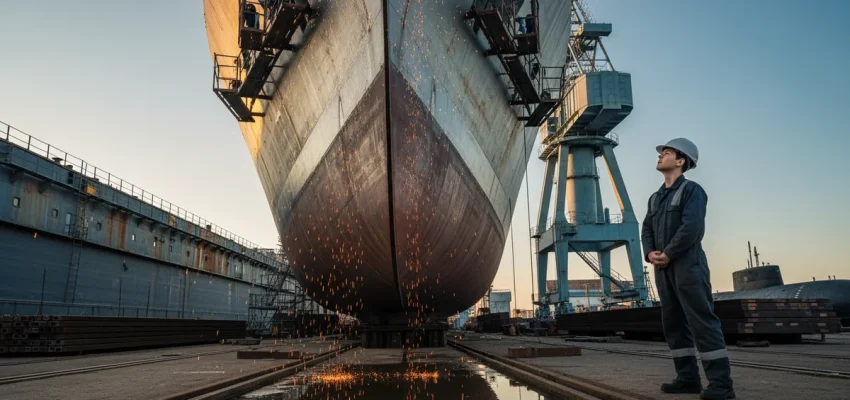
This burgeoning interest in High School Shipbuilding Pathways reflects a growing awareness among students, parents, and educators about the tangible benefits of skilled trades. These aren’t the antiquated, grimy factory jobs of yesteryear; modern shipbuilding is a high-tech endeavor, integrating advanced robotics, sophisticated CAD software, intricate welding techniques, and complex electrical systems. Workers are not just building ships; they are crafting some of the most complex machines on the planet—aircraft carriers and submarines that are cornerstones of national defense. The opportunity to contribute to projects of such national significance, coupled with competitive wages and comprehensive benefits, presents a compelling alternative to traditional higher education. It’s a career path where individuals can see the direct impact of their work, literally building the future with their own hands.
HII, as America’s largest military shipbuilder, plays an indispensable role in maintaining U.S. naval superiority. Newport News Shipbuilding, specifically, is the sole designer, builder, and refueler of U.S. Navy aircraft carriers and one of two yards capable of building nuclear-powered submarines. This immense responsibility translates into a constant demand for highly skilled labor, making the influx of young talent from local high schools not just a welcome addition but a strategic imperative. These young recruits, whether entering directly or through an apprenticeship, are stepping into roles that offer not just employment, but a sense of purpose and a clear trajectory for professional growth within a vital industry. This proactive approach to talent development is a model for addressing the national skills gap, demonstrating how industry leaders can cultivate a robust, homegrown workforce directly from high school campuses.
### The Apprentice School: Cultivating Generations of Maritime Craftsmanship
A cornerstone of HII’s talent development strategy, and indeed a beacon for vocational education nationwide, is The Apprentice School at Newport News Shipbuilding. Established in 1919, this institution boasts a century-long legacy of transforming ambitious young individuals into world-class shipbuilders and leaders. The 18 high school students who secured coveted spots in this program are not just entering a school; they are embarking on a paid, debt-free, four-to-five-year journey that combines intensive classroom instruction with hands-on, on-the-job training. This unique model means apprentices earn a competitive wage from day one, often starting around $20 per hour and increasing significantly with experience and skill progression, while simultaneously acquiring highly specialized skills in trades ranging from welding and electrical work to pipefitting, machining, and even advanced design and engineering support roles.
The Apprentice School offers a profound alternative to the conventional college route. Instead of accumulating debt, apprentices build equity, both financial and experiential. They graduate not only with an associate’s degree, fully paid for by HII, but also with highly sought-after certifications, a guaranteed job, and a network of seasoned professionals. Many even have the option to pursue a bachelor’s degree through partnerships with local universities, all while continuing their employment and often with significant financial support from the company. This “earn while you learn” philosophy is particularly appealing in an economic climate where the value proposition of a traditional college degree is increasingly scrutinized. Graduates from The Apprentice School are known for their exceptional craftsmanship, problem-solving abilities, and leadership potential, making them invaluable assets to Newport News Shipbuilding and the broader maritime industry.
The curriculum is rigorous, designed to produce master craftspeople and future supervisors. Apprentices typically spend around 8,000 hours in structured training, a mix of theoretical coursework in subjects like mathematics, blueprint reading, and safety protocols, alongside practical application in state-of-the-art facilities. They learn from experienced mentors, often journeymen who themselves graduated from the program, ensuring a continuity of knowledge and a strong culture of excellence. The success of The Apprentice School is evident in the careers of its alumni, many of whom rise through the ranks to become foremen, engineers, project managers, and even executives within HII. For these 18 high school graduates, accepting an Apprentice School offer is a prime example of a successful High School Shipbuilding Pathways program that lays a rock-solid foundation for a lifetime of skilled work, innovation, and leadership within a critical industry. This robust pipeline ensures that essential skills are not only preserved but continuously advanced, powering the future of American shipbuilding.
### Direct Entry: Building the Workforce from the Ground Up
While The Apprentice School provides a structured path for long-term skill development, the decision by 32 other high school seniors to directly enter jobs at Newport News Shipbuilding highlights another crucial aspect of workforce development: immediate employment and on-the-job training. These individuals are stepping straight from the classroom into production roles that are integral to the day-to-day operations of the shipyard. This direct entry model offers immediate financial stability, competitive benefits, and a clear opportunity to learn a trade from the ground up, often with the potential for cross-training and advancement within various departments.
For many graduating seniors, the prospect of immediate employment with a company like HII, offering family-sustaining wages and comprehensive benefits packages that include health insurance, retirement plans, and paid time off, is incredibly attractive. These entry-level positions are not dead ends; rather, they are foundational roles that provide invaluable hands-on experience. New hires often begin in areas like general fabrication, material handling, or basic assembly, where they learn essential safety protocols, tool usage, and the fundamental processes of shipbuilding. This practical immersion allows them to quickly become productive members of the team while identifying areas of personal interest and aptitude that could lead to specialized training or even application to The Apprentice School in the future.
The strategic importance of these direct hires cannot be overstated. A complex industrial operation like Newport News Shipbuilding requires a diverse workforce at all skill levels. While apprenticeships groom future experts, direct entry positions ensure a steady flow of labor to meet immediate production demands, allowing the company to maintain its rigorous schedules for delivering critical naval assets. Furthermore, these roles provide an excellent opportunity for high school graduates who may not yet be ready for the structured academic rigor of an apprenticeship but are eager to start their careers and gain valuable work experience. Many find that once they are immersed in the environment, they discover a passion for a particular trade and pursue further education or specialized training, often supported by HII’s internal development programs.
This commitment from high school seniors to embark on direct High School Shipbuilding Pathways after graduation speaks volumes about the renewed value being placed on hands-on skills and the tangible impact of one’s labor. It’s a testament to the fact that fulfilling, high-paying careers don’t always require a four-year degree but can be forged through dedication, hard work, and a willingness to learn on the job in industries that are fundamental to national prosperity and security. The pipeline of entry-level talent from high schools ensures that Newport News Shipbuilding continues to have the human capital necessary to build and maintain the most advanced naval fleet in the world, securing jobs for the community and safeguarding the nation for generations to come.
The narrative emerging from Newport News Shipbuilding—where dozens of high school seniors are bypassing traditional college paths for rewarding careers in skilled trades—is a powerful reminder of the diverse and valuable routes available to young talent. It underscores a critical shift in workforce development, recognizing that practical skills, hands-on experience, and direct contributions to vital industries are not just alternatives but often superior pathways for career fulfillment and economic stability. As the national dialogue continues to evolve around education and employment, the success of programs like HII’s Apprentice School and its direct hiring initiatives provides a compelling blueprint. These are not merely jobs; they are foundational roles within an industry that literally shapes the future of national defense and technological innovation.
In an era increasingly defined by rapid technological advancements, especially in AI, it’s easy to overlook the enduring importance of foundational human skills and craftsmanship. Yet, it is precisely this synergy between cutting-edge technology and skilled human labor that propels industries like shipbuilding forward. The commitment of these high school graduates to High School Shipbuilding Pathways at HII offers a beacon of hope for addressing the national skills gap and fostering a robust, resilient workforce. It’s a testament to the vision of companies investing in their communities and to the pragmatism of young people making informed choices about their futures. This trend is a win-win: securing fulfilling, high-paying careers for individuals, strengthening the nation’s industrial base, and ensuring that the United States remains at the forefront of global maritime power.