
As an AI specialist and a fervent advocate for technological advancement, I’ve witnessed firsthand how innovation reshapes industries, creating entirely new landscapes of possibility. Healthcare, often perceived as traditional, is no exception. The rapid evolution of medical technology, data science, and artificial intelligence is not only optimizing patient care but also redefining professional roles within the sector. For highly skilled clinicians, particularly Dermatology Physician Assistants (PAs) and Nurse Practitioners (NPs), this evolution signals a wealth of **Non-Clinical Career Opportunities** – pathways that leverage their deep medical knowledge, critical thinking, and patient-centric perspective beyond direct patient interaction.
The hustle and demands of clinical practice are immense, and while the passion for patient care remains a driving force for many, the desire for different challenges, work-life balance, or a broader impact on healthcare can lead professionals to explore alternative avenues. The landscape for Dermatology PAs and NPs is particularly ripe for this exploration. Their specialized training in skin health, understanding of complex dermatological conditions, and experience in diagnostic and therapeutic procedures provide a unique skill set that is highly transferable to a variety of non-clinical roles. This article delves into these burgeoning possibilities, painting a picture of a future where clinical expertise is valued across an expanded spectrum of professional functions.
### Non-Clinical Career Opportunities: Redefining Professional Impact
The notion of a “non-clinical role” might seem counterintuitive for someone who has dedicated years to mastering a clinical specialty. However, these roles are not about abandoning one’s medical foundation; rather, they are about applying that foundation in new, impactful ways. The beauty of the healthcare field is its interconnectedness. Every aspect, from drug development to health policy, from technology integration to public health campaigns, benefits immensely from the insights of those who have stood on the front lines of patient care. For Dermatology PAs and NPs, this translates into a diverse array of options where their specialized knowledge is not just valuable, but often essential.
Consider the realm of medical writing and communication. Pharmaceutical companies, medical device manufacturers, health tech startups, and even academic institutions are constantly in need of clear, accurate, and engaging content. Who better to articulate the nuances of a new dermatological treatment, explain the benefits of a diagnostic tool, or write compelling educational material than a professional who has directly prescribed or utilized them? Dermatology PAs and NPs possess the scientific literacy, clinical perspective, and often, the empathetic communication skills to translate complex medical information into understandable language for various audiences, from fellow clinicians to patients and the general public. This can include developing continuing medical education (CME) modules, authoring articles for medical journals or popular health blogs, creating patient education brochures, or crafting marketing materials for new products. The demand for scientifically accurate and clinically relevant content is only growing, making this a vibrant area for those seeking **Non-Clinical Career Opportunities**.
Another significant avenue lies within the burgeoning field of healthcare technology and digital health. With the rise of AI-powered diagnostic tools, telemedicine platforms, electronic health records (EHR) systems, and wearable health devices, there’s a critical need for clinicians who can bridge the gap between technology developers and end-users. Dermatology PAs and NPs can play pivotal roles as clinical informaticists, product managers, or user experience (UX) designers for health tech companies. Their insights are invaluable in ensuring that new technologies are not only functional but also clinically relevant, user-friendly, and seamlessly integrated into clinical workflows. Imagine an AI-driven skin cancer detection app – its development requires not just brilliant algorithms, but also the practical input of someone who understands how dermatologists diagnose in real-world settings, the subtleties of skin lesions, and the needs of a busy clinic. This intersection of clinical knowledge and technological innovation offers fascinating **Non-Clinical Career Opportunities** for those with a tech-forward mindset.
### Expanding Influence: Research, Policy, and Entrepreneurship
Beyond writing and tech, the academic and administrative spheres present further enriching opportunities. Clinical research, for instance, is the backbone of medical progress. Dermatology PAs and NPs can transition into roles as clinical research coordinators, regulatory affairs specialists, or even principal investigators (with appropriate advanced training), leveraging their understanding of study protocols, patient recruitment, data collection, and ethical considerations. Their firsthand experience with the efficacy and side effects of dermatological treatments provides invaluable context to research endeavors. This role is crucial for advancing the understanding and treatment of skin diseases, contributing to a legacy of medical innovation.
On a broader scale, shaping healthcare policy and advocacy offers a powerful way to impact patient care systemically. Organizations involved in public health, patient advocacy, and professional lobbying require expert input to inform legislation and guidelines. Dermatology PAs and NPs can serve as policy advisors, patient advocates, or consultants, bringing their practical clinical experience to bear on issues such as access to care, insurance coverage for dermatological treatments, scope of practice for PAs and NPs, or public health initiatives related to skin cancer prevention and education. Their voices can drive significant change, ensuring that policies are grounded in clinical reality and truly serve the needs of patients and practitioners.
The entrepreneurial spirit also finds fertile ground. Armed with specialized knowledge and a keen understanding of market gaps, Dermatology PAs and NPs can launch their own ventures. This could range from creating specialized educational platforms for patients or peers, developing niche consulting services for aesthetic clinics, or even inventing new dermatological products or devices. Their ability to identify unmet needs within the dermatology landscape, combined with business acumen (which can be acquired), positions them uniquely to innovate and lead. The digital age, in particular, lowers the barrier to entry for many entrepreneurial pursuits, making it easier than ever to transform an idea into a thriving business, creating impactful **Non-Clinical Career Opportunities** and carving out a distinct professional niche.
### The Future is Versatile: Preparing for the Shift
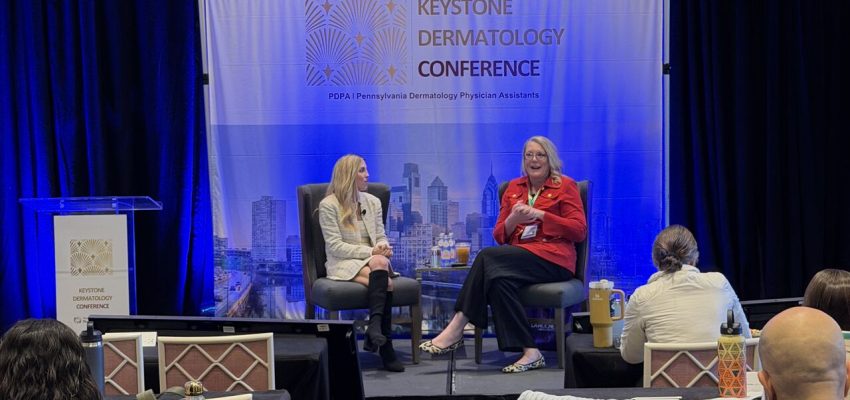
The discussions anticipated at future forums, much like the spirit of exploration implied by “PDPA 2025,” underscore a growing recognition of the value of clinical expertise beyond direct patient care. The healthcare system is becoming increasingly complex, driven by data, technology, and an aging global population. This complexity demands a diverse workforce, where professionals can move fluidly between clinical and non-clinical roles, bringing unique perspectives to solve multifaceted problems. For Dermatology PAs and NPs considering such a transition, key steps include identifying transferable skills – communication, critical thinking, problem-solving, project management, regulatory knowledge – and proactively seeking out mentorship and networking opportunities in desired non-clinical fields. Further education, such as a master’s degree in public health, health informatics, or business administration, can also bolster their qualifications and open doors to advanced leadership positions.
The journey into **Non-Clinical Career Opportunities** is not a retreat from healthcare, but rather an expansion of its reach. It’s a testament to the versatility and depth of training received by Dermatology PAs and NPs, acknowledging that their contributions can shape the industry in profound and far-reaching ways. Whether influencing policy, developing groundbreaking technology, educating the next generation, or leading innovative ventures, these professionals are poised to redefine what it means to be a healthcare leader in the 21st century. The future of healthcare demands adaptability, innovation, and a holistic approach to patient and system well-being, and those with clinical insight are perfectly positioned to lead this charge.