
In the high-stakes world of professional athletics, the journey is often fraught with exhilarating highs and heartbreaking lows. Every season, stories emerge of incredibly talented individuals facing the twin adversaries of injury and performance slumps. We’ve all seen promising careers threatened by a torn ligament or a persistent dip in form, leading to immense frustration and uncertainty about what the future holds. The dedication, the grueling training, the sheer passion for their craft—all can feel jeopardized when physical setbacks or a struggle to maintain peak performance take hold.
It’s a scenario that resonates far beyond the playing field, mirroring challenges we face in various domains where human potential meets demanding circumstances. But what if there was a way to significantly mitigate these risks, to provide athletes with an unprecedented shield against injury, a scalpel for precision performance enhancement, and a compass for career longevity? As an AI specialist and tech enthusiast, I, André Lacerda, believe the answer lies in the burgeoning field of Artificial Intelligence. Far from being confined to data centers or complex algorithms, AI is stepping onto the court, the field, and the track, fundamentally reshaping how athletes train, recover, and sustain their professional journeys.
No longer just a futuristic concept, AI is actively empowering athletes, coaches, and medical teams with insights previously unattainable. It’s about turning raw data into actionable intelligence, transforming the very fabric of sports science and offering a new paradigm for athlete well-being and success. This isn’t just about winning games; it’s about protecting livelihoods, extending careers, and helping athletes achieve their absolute full potential, even when faced with the kind of challenging seasons that test their very spirit.
Artificial Intelligence in Sports: A New Era for Athlete Well-being and Performance
The traditional approach to sports performance and injury management has long relied on a blend of human expertise, empirical observation, and retrospective analysis. While invaluable, these methods often suffer from limitations: subjectivity, the inability to process vast quantities of data efficiently, and a reactive rather than proactive stance. Enter **Artificial Intelligence in Sports**, a transformative force that is rapidly changing this landscape by offering data-driven, predictive, and personalized solutions.
The core of this transformation lies in the ability of AI and machine learning algorithms to sift through gargantuan datasets collected from various sources. These include high-resolution video analytics, wearable sensors (GPS trackers, accelerometers, heart rate monitors, sleep monitors), biomechanical lab data, physiological markers (blood tests, sweat analysis), and even subjective reports from athletes themselves. Historically, synthesizing such a diverse and voluminous stream of information was a monumental task, often leading to fragmented insights. AI, however, excels at identifying complex patterns and correlations that are invisible to the human eye, enabling a truly holistic understanding of an athlete’s condition.
One of the most critical applications of AI in this domain is in **injury prediction and prevention**. Consider an athlete experiencing a particularly frustrating season marked by recurring physical issues. AI systems can analyze years of training data, game performance metrics, and even subtle changes in movement patterns captured by computer vision or smart insoles. For example, a slight asymmetry in gait or a minute alteration in jump mechanics, which might go unnoticed by human observation until a full-blown injury occurs, can be flagged by an AI model. These predictive algorithms learn from past injury data, identifying specific biomechanical stressors or accumulated fatigue thresholds that correlate with a higher risk of injury. This allows medical and coaching staff to intervene proactively, adjusting training loads, prescribing targeted strengthening exercises, or implementing rest protocols *before* a serious injury manifests.
For instance, some professional soccer clubs now employ AI platforms that continuously monitor players’ physical output during training and matches. These systems can issue alerts if a player deviates from their baseline performance or exhibits early signs of neuromuscular fatigue, significantly reducing the incidence of non-contact injuries like hamstring pulls or ankle sprains. This proactive approach saves not only the athlete from debilitating setbacks but also the team from losing valuable talent during critical periods.
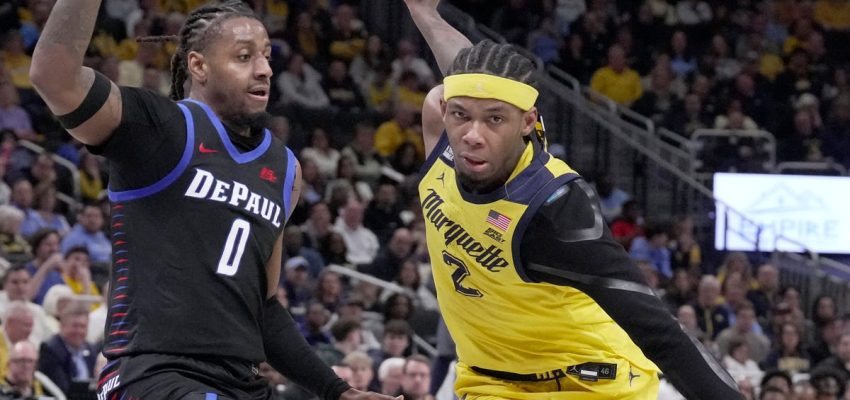
Beyond injury, AI is a powerful tool for **performance optimization**. Athletes, like those facing “struggles on offense,” can greatly benefit from AI-powered analytical tools. Computer vision systems can meticulously track every movement on the field or court, analyzing shot selection, passing accuracy, defensive positioning, and even the efficiency of a specific athletic motion. Machine learning algorithms can then break down complex plays, identify individual technical flaws, and quantify tactical effectiveness with unparalleled precision. This granular feedback allows coaches to tailor individualized training programs that target specific weaknesses. For a basketball player struggling with their shooting, AI can analyze hundreds of shots, identifying subtle inconsistencies in release point, arc, or follow-through, offering data-backed adjustments that transcend traditional coaching cues.
Furthermore, AI can simulate game scenarios and predict opponent strategies, giving teams a significant competitive edge. By analyzing vast databases of past games, player tendencies, and tactical formations, AI can recommend optimal plays, defensive alignments, and substitution patterns, effectively serving as an advanced strategic advisor. This level of insight ensures that athletes are not just performing optimally, but are also executing the most effective strategies, even under immense pressure.
From Sidelines to Solutions: AI-Powered Rehabilitation and Career Longevity
While prevention is paramount, injuries are an inevitable part of competitive sports. When they do occur, the path to recovery can be long, arduous, and mentally taxing. This is another area where **Artificial Intelligence in Sports** is proving to be a game-changer, transforming rehabilitation protocols and helping athletes navigate the often-difficult journey back to peak performance, or even transition effectively when careers naturally reach their conclusion.
AI-guided rehabilitation leverages smart technology to make recovery more efficient, personalized, and engaging. Imagine an athlete recovering from a shoulder injury. Instead of generic exercises, AI-powered sensors embedded in rehabilitation equipment or worn on the body can provide real-time feedback on range of motion, force application, and proper form. This data allows physical therapists to adjust exercise intensity and progression with scientific precision, ensuring that the athlete is challenged appropriately without risking re-injury. Virtual reality (VR) and augmented reality (AR) are also being integrated, creating immersive and motivating environments for rehabilitation, turning repetitive exercises into engaging games that track progress and provide immediate encouragement.
Moreover, AI can predict recovery timelines more accurately by analyzing individual physiological responses and comparing them against vast datasets of similar injuries. This helps manage expectations for both the athlete and the team, optimizing return-to-play protocols to ensure a safe and sustainable comeback. Beyond physical healing, AI can also assist in monitoring the mental well-being of injured athletes, identifying early signs of frustration, depression, or anxiety that can impede recovery. By analyzing sleep patterns, heart rate variability, and even linguistic cues from daily check-ins, AI can alert support staff to provide timely psychological assistance, recognizing that mental resilience is just as crucial as physical strength.
The specter of “careers ending” is a harsh reality for many athletes. Whether due to persistent injuries, age, or a natural decline in performance, the transition away from professional sports can be profoundly challenging. Here too, AI offers valuable support. By analyzing an athlete’s skill sets—both on and off the field—their educational background, interests, and professional network, AI algorithms can help identify suitable post-sport career paths. This might involve recommending educational programs for reskilling, identifying industries where an athlete’s leadership, discipline, and teamwork skills are highly valued, or even connecting them with mentors and job opportunities. AI-powered platforms can curate personalized learning pathways, making the transition smoother and less daunting.
Furthermore, for those who wish to extend their careers, AI helps in designing long-term performance plans that account for aging physiology. By optimizing nutrition, training methodologies, and recovery strategies, AI can help athletes maintain competitive levels well into their 30s and even 40s, redefining what’s possible in professional sports.
The Ethical Frontier: Balancing Data, Privacy, and the Human Element
While the potential of **Artificial Intelligence in Sports** is immense, it is crucial to address the ethical considerations and challenges that accompany its widespread adoption. The collection of vast amounts of highly personal data—biomechanical, physiological, and even psychological—raises significant questions about privacy, data security, and ownership. Who controls this sensitive information, and how is it protected from misuse or breaches? Robust regulatory frameworks and transparent data governance policies are essential to build trust and ensure ethical practices.
Another important consideration is the potential for algorithmic bias. If AI models are trained on biased datasets, they might inadvertently disadvantage certain body types, playing styles, or demographics. Ensuring that AI systems are fair, inclusive, and rigorously tested for bias is paramount to prevent unfair outcomes or reinforce existing disparities within sports. The goal should be to level the playing field, not introduce new forms of discrimination.
Crucially, it is important to remember that AI is a powerful tool designed to augment human intelligence and capabilities, not replace them. The intuition, empathy, and personal connection provided by human coaches, medical staff, and mentors remain irreplaceable. AI can offer unparalleled data and insights, but it is the human element that provides context, motivation, and the nuanced understanding required to truly lead and inspire athletes. The most effective approach will always be a collaborative one, where AI acts as a sophisticated co-pilot, empowering human experts to make more informed and impactful decisions.
Moreover, ensuring equitable access to these advanced technologies is vital. As AI in sports continues to evolve, efforts must be made to democratize its benefits, making it accessible not just to elite professional organizations but also to collegiate and amateur sports programs, fostering a healthier and more optimized sporting ecosystem across all levels.
In conclusion, the integration of **Artificial Intelligence in Sports** marks a profound shift in how we approach athletic development, well-being, and career management. From predictive analytics that foresee and prevent debilitating injuries to personalized training regimens that sharpen performance, and from sophisticated rehabilitation protocols to thoughtful career transition planning, AI is reshaping the entire athlete journey.
As an AI specialist, I find it incredibly inspiring to witness how these intelligent systems are not just optimizing algorithms but genuinely enhancing human potential. The future of sports, guided by AI, promises a world where athletes are better understood, better protected, and better prepared to overcome challenges, extending their contributions both on and off the field. This evolution ensures that the spirit of competition continues to thrive, supported by cutting-edge technology that champions resilience, excellence, and the enduring human spirit of achievement.