
In a world increasingly defined by rapid technological evolution, the landscape of work is undergoing a profound transformation. As artificial intelligence reshapes industries and creates entirely new paradigms, the need for individuals to adapt, reskill, and pivot into future-proof careers has never been more pressing. It’s a challenge that nations and states alike are grappling with, recognizing that a resilient workforce is the backbone of a thriving economy. Amidst this dynamic backdrop, innovative initiatives designed to empower individuals with the skills of tomorrow are not just beneficial; they are essential.
Today, we turn our gaze to a particularly noteworthy program in the heart of the Midwest: an education grant initiative in Missouri that is opening doors to life-changing careers for its adult residents. This program exemplifies a forward-thinking approach to workforce development, offering a critical lifeline for those seeking to navigate the complexities of the modern job market. It’s an investment not just in individual potential, but in the collective future of the state, ensuring its citizens are equipped to thrive in an era where adaptability is paramount and new opportunities are constantly emerging, often powered by the very technologies we champion.
Missouri Fast Track: Empowering Adults for Tomorrow’s High-Demand Fields
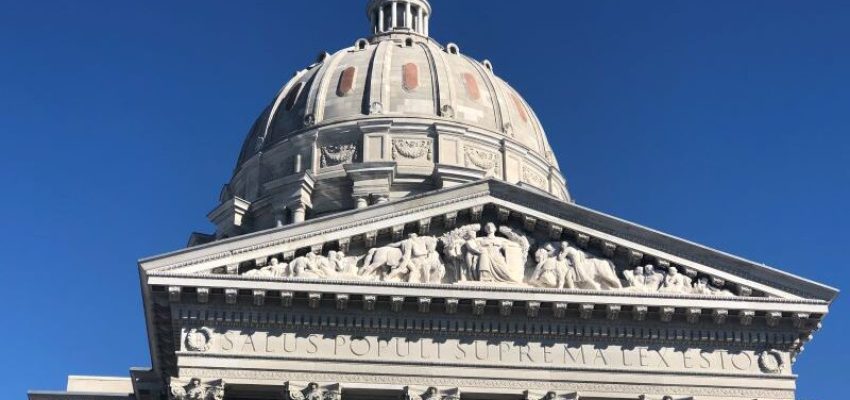
Grant applications are currently being processed at a state office, marking the next exciting round of fund awards for the **Missouri Fast Track** program. This crucial initiative is specifically designed for Missouri adults aged 25 and older who are actively pursuing education in high-demand fields. The focus is clear: to equip individuals with the skills necessary to secure careers that are not only financially rewarding but also vital to the state’s economic growth and technological advancement. Leroy Wade of the Missouri Department of Higher Education and Workforce Development has highlighted the program’s significant impact since its inception.
The **Missouri Fast Track** program acknowledges a fundamental truth about modern career trajectories: they are rarely linear. Many adults find themselves at a crossroads, whether due to economic shifts, personal aspirations, or the obsolescence of previous skills. For these individuals, returning to school can be a daunting prospect, often burdened by financial constraints. This is where the state grant program steps in, providing a vital bridge. By targeting adults aged 25 and above, the initiative wisely focuses on a demographic that often has existing professional experience but requires upskilling or reskilling to remain competitive or transition into new sectors. This cohort represents a significant portion of the workforce, and their successful integration into high-demand roles has ripple effects across families, communities, and the broader state economy.
The “high-demand field” aspect is particularly salient in our current climate. While the original scope might cover a wide array of industries, it implicitly embraces areas that are growing exponentially due to technological advancements. Think about the surge in demand for data analysts, cybersecurity specialists, AI solution developers, cloud computing experts, and even advanced manufacturing technicians who work alongside sophisticated automation. These are not merely jobs; they are career pathways that offer stability, growth, and the opportunity to be at the forefront of innovation. By aligning educational funding with these critical sectors, the **Missouri Fast Track** program ensures that its beneficiaries are not just finding jobs, but building sustainable careers that contribute directly to the state’s economic resilience and technological prowess.
Navigating the AI Revolution: The Imperative for Lifelong Learning and Reskilling
The advent of artificial intelligence is fundamentally redefining what it means to work. Routine tasks are being automated, complex data analysis is becoming more efficient, and new forms of human-machine collaboration are emerging. This isn’t just about job displacement; it’s about job transformation and creation. Roles that didn’t exist a decade ago are now central to many industries, and this pace of change is only accelerating. In such an environment, the concept of a static career path becomes increasingly untenable. Lifelong learning is no longer a luxury; it’s a necessity.
Programs like the **Missouri Fast Track** become indispensable tools in this paradigm shift. They serve as practical mechanisms for individuals to acquire the specific, high-value skills demanded by an AI-influenced economy. For instance, an individual who previously worked in a manufacturing role that is now partially automated might use this grant to pursue training in robotics maintenance, industrial data analysis, or even AI ethics – a field growing rapidly as we grapple with the societal implications of advanced systems. Similarly, someone in a customer service role could pivot into an AI chatbot trainer or an experience designer for intelligent interfaces. The possibilities are vast, but they all hinge on accessible educational opportunities.
Beyond technical skills, the AI revolution also emphasizes the importance of uniquely human attributes: critical thinking, creativity, emotional intelligence, and complex problem-solving. While AI can process vast amounts of data, it requires human ingenuity to frame the problems, interpret the results, and apply insights ethically and contextually. Education supported by initiatives like the **Missouri Fast Track** can foster these capabilities alongside technical proficiency, producing well-rounded professionals capable of leading in an increasingly intelligent world. It’s about empowering individuals not just to operate new tools, but to think strategically about how these tools can be leveraged for societal good.
From Aspiration to Achievement: Individual Empowerment and State Prosperity
The impact of the **Missouri Fast Track** program extends far beyond individual grant recipients. By investing in the human capital of the state, Missouri is bolstering its overall economic competitiveness. A more skilled workforce attracts new businesses, fosters local innovation, and retains talent within the state borders. Consider the ripple effect: an individual who secures a high-paying job in a tech-driven field contributes more to the local economy, pays more taxes, and becomes a more engaged community member. They might inspire others, mentor new entrants, or even start their own ventures, creating further employment opportunities.
The personal transformation for recipients can be profound. Imagine a single parent, previously stuck in a low-wage job, now able to enroll in a coding bootcamp or a specialized healthcare technology program, fully funded by a **Missouri Fast Track** grant. This isn’t just about a new job; it’s about financial stability, improved quality of life, and the promise of a brighter future for their family. These stories of empowerment, repeated across hundreds or thousands of individuals, weave together to form a narrative of collective progress and shared prosperity. The Department of Higher Education and Workforce Development, through programs such as this, is acting as a catalyst for such transformations.
As grant applications continue to arrive and new rounds of funding are awarded, the momentum behind this program is clear. It represents a proactive and pragmatic response to the challenges and opportunities of our time. In an era where the future of work is constantly being redefined by technological leaps, empowering individuals through accessible education is the most strategic investment a state can make. It ensures that Missouri’s citizens are not left behind but are instead positioned to lead and innovate in the evolving global landscape.
The **Missouri Fast Track** program is a testament to the power of targeted educational funding. It offers more than just tuition assistance; it provides a pathway to self-sufficiency, career fulfillment, and active participation in the high-growth sectors of the 21st century. As AI continues to reshape our world, the demand for adaptable, skilled professionals will only intensify. Initiatives like this are critical for ensuring that individuals, regardless of their starting point, have the opportunity to seize these new possibilities and contribute meaningfully to the economy of tomorrow. It’s a powerful example of how strategic investment in human potential can build a robust and future-ready society.