
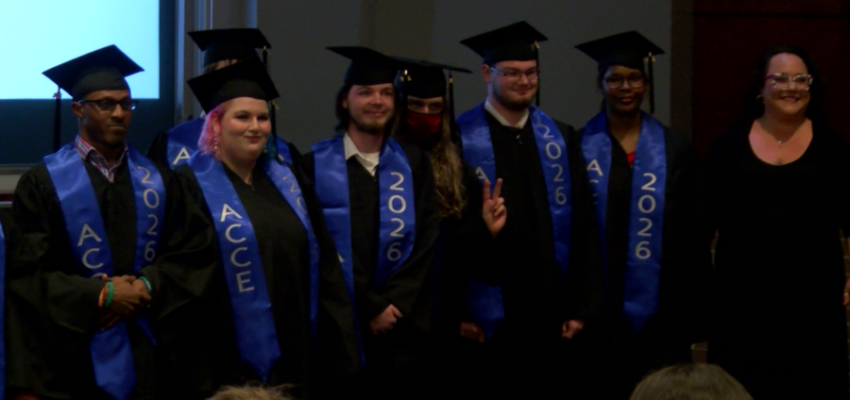

The air was thick with triumph and possibility. Cheers and applause resonated through Dickinson Hall at the University of Arkansas at Little Rock recently, a symphony of joy celebrating more than just academic achievement. It was a testament to resilience, dedication, and the transformative power of genuine support. This vibrant evening marked the graduation of Easterseals Arkansas’s 2026 ACCE class, honoring young adults who have not only gained invaluable skills but also forged paths toward careers, self-assurance, and true independence. As an AI specialist and someone deeply invested in the future of human potential, I find such events incredibly inspiring, reminding us that the most impactful technologies often amplify our human capacity for empathy, education, and empowerment.
In a world increasingly shaped by rapid technological advancements and evolving job markets, the imperative to ensure equitable opportunities for all has never been more critical. The narrative of the Easterseals Arkansas graduates is a powerful reminder that with the right resources and unwavering belief, every individual can contribute meaningfully to society. Their journey exemplifies a commitment to nurturing talent from every corner, proving that diversity in all its forms enriches our workplaces and communities.
Inclusive Career Development: Paving Pathways for All
The concept of inclusive career development is far more than just a buzzword; it’s a fundamental pillar of a just and prosperous society. It encompasses the strategies, programs, and philosophies designed to ensure that individuals, regardless of their background, physical abilities, or cognitive differences, have equal access to opportunities for professional growth and meaningful employment. For many young adults with disabilities, the traditional pathways to careers can be fraught with systemic barriers, outdated perceptions, and a lack of tailored support. Unemployment rates for individuals with disabilities historically remain significantly higher than for the general population, a challenge that robust programs actively seek to address.
This is precisely where organizations like Easterseals Arkansas step in, offering a beacon of hope and a practical framework for change. Their Accelerated Career Completion Education (ACCE) program is a prime example of targeted, comprehensive intervention that goes beyond mere job placement. It’s about cultivating a holistic set of skills, fostering self-advocacy, and building the confidence necessary to navigate the complexities of modern professional life. The graduates celebrated that night are not just recipients of aid; they are active participants in their own development, agents of change for their futures, and living proof of what thoughtful **inclusive career development** can achieve.
Beyond the Classroom: Crafting Confidence and Competence
Easterseals Arkansas has a long and storied history, spanning over 90 years, dedicated to championing the full inclusion of individuals with disabilities. Their mission resonates with the core values of progress and human dignity, striving to create a world where everyone can live, learn, work, and play in their communities. The ACCE program, specifically designed for young adults, encapsulates this mission by providing a structured, supportive environment where participants can acquire a diverse range of vocational and life skills. It’s a blend of academic learning, hands-on training, and crucial soft skill development that prepares them for a competitive job market.
What makes programs like ACCE truly stand out is their comprehensive approach. It’s not solely about teaching a specific trade; it’s about nurturing the whole individual. This includes crucial elements such as resume building, interview techniques, workplace etiquette, and effective communication strategies. These are often overlooked but vital components of successful professional integration. Furthermore, the program often incorporates life skills training, equipping graduates with the tools for independent living, from financial literacy to transportation planning. This multi-faceted support system is designed to break down barriers that might otherwise impede their progress, ensuring that when these young adults enter the workforce, they do so not just with a skill set, but with an empowered mindset and the practical knowledge to sustain their independence. The cheer and applause at graduation are not just for a certificate; they are for the visible transformation in confidence, the newfound sense of purpose, and the readiness to embrace new challenges.
The curriculum is often tailored to meet the evolving demands of the job market, identifying growth industries and sectors that offer sustainable employment. This might include training in administrative roles, customer service, IT support, or various technical trades, all while ensuring that accessibility and accommodations are central to the learning experience. Mentorship plays a significant role, connecting students with experienced professionals who can offer guidance, insights, and networking opportunities. This human connection is indispensable, providing real-world context and invaluable support that technical skills alone cannot offer. Ultimately, the goal is to create self-sufficient, confident individuals who are not just employed, but who thrive in their chosen careers and contribute positively to their communities, demonstrating the profound ripple effect of effective **inclusive career development**.
The Synergy of Technology and Human Potential in Inclusive Growth
As an AI specialist, I’m particularly fascinated by how technology can serve as a powerful catalyst for inclusive career development. The digital revolution has opened up unprecedented avenues for accessibility and personalization, which are crucial for individuals with diverse abilities. Assistive technologies, from screen readers and voice-to-text software to specialized input devices, can bridge gaps that once seemed insurmountable. Artificial intelligence, in particular, holds immense promise. AI-powered tools can personalize learning paths, adapting content and pace to individual needs, making education more accessible and effective for everyone.
Moreover, AI can assist in the job matching process, analyzing skills and preferences to connect individuals with suitable employment opportunities that might otherwise be overlooked. Algorithms can help identify roles where specific strengths are maximized, and potential accommodations can be seamlessly integrated. The rise of remote work, greatly accelerated by recent global events, has also democratized access to employment for many, allowing individuals to work from environments optimized for their needs, reducing barriers related to transportation or physical workplace accessibility. Programs like ACCE are increasingly incorporating digital literacy and adaptive technology training, ensuring graduates are not only skilled in their chosen fields but also proficient in leveraging these tools to enhance their productivity and independence in a digitally driven world. This synergy between human-centered design and technological innovation is key to truly transformative **inclusive career development**.
Consider the impact of AI in vocational training. Simulations powered by AI can offer realistic, safe environments for skill practice, allowing individuals to master complex tasks at their own pace without the pressure of a real-world setting. Predictive analytics can help identify potential challenges an individual might face in a particular role and suggest proactive strategies or accommodations. Furthermore, the very nature of AI development itself benefits from diverse perspectives. Teams that include individuals with varied experiences, including those with disabilities, are often more innovative, designing solutions that are inherently more robust and universally usable. This isn’t just about charity; it’s about smart design and strategic growth for all.
Expanding the Impact: A Ripple Effect on Community and Economy
The success of programs like Easterseals Arkansas extends far beyond the individual graduates. When young adults achieve independence and secure meaningful employment, it creates a powerful ripple effect throughout society. Economically, employed individuals contribute to the tax base, reduce reliance on public assistance programs, and become active consumers, stimulating local economies. The return on investment for such initiatives is substantial, both fiscally and socially. Studies consistently show that a diverse workforce, including individuals with disabilities, leads to increased innovation, improved problem-solving capabilities, and higher employee morale.
Socially, the integration of diverse talent enriches communities. It challenges preconceived notions, fosters greater understanding, and builds a more inclusive societal fabric. When a community celebrates the achievements of all its members, it reinforces the message that every individual has inherent value and unique contributions to make. The joy witnessed at the Easterseals Arkansas graduation is a small window into the larger, transformative impact these programs have on shaping a more equitable and compassionate world. It underscores the universal truth that human potential knows no bounds when given the right tools and unwavering support. Investing in inclusive career development is not just good policy; it’s an investment in a brighter future for everyone.
A Future Built on Inclusion and Innovation
The graduation ceremony at the University of Arkansas at Little Rock was more than just an end to a program; it was a vibrant beginning for a cohort of determined individuals ready to make their mark on the world. Their journeys underscore the profound importance of dedicated initiatives like Easterseals Arkansas and their ACCE program, which diligently cultivate talent, build resilience, and open doors to opportunity. As we continue to navigate an ever-evolving landscape of work and technology, the principles of accessibility, personalized support, and holistic development will remain paramount.
The future is one where technology, particularly AI, can increasingly serve as an enabler, creating new pathways and empowering individuals in ways previously unimaginable. However, technology alone is not enough; it must be paired with human empathy, structured support, and a societal commitment to true inclusion. The success stories celebrated by Easterseals Arkansas remind us that by investing in every individual’s potential, we are not just changing lives, but building a stronger, more innovative, and more compassionate society for all.










