
In an era defined by unprecedented technological advancement and rapid societal shifts, the traditional pathways to career success are continuously being redefined. As an AI specialist and a keen observer of the evolving professional landscape, I, André Lacerda, have witnessed firsthand how the demands on aspiring professionals have expanded far beyond mere technical proficiency. Today, employers seek individuals who can not only adapt but also lead, innovate, and inspire. This imperative underscores the vital role of robust leadership development programs within higher education, preparing students not just for their first job, but for a lifetime of impact.
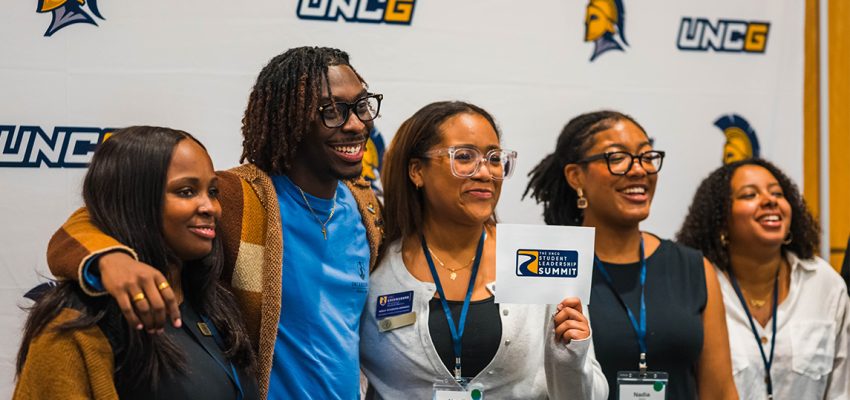
The dynamic interplay of global markets, digital transformation, and the burgeoning influence of artificial intelligence creates a complex environment. Navigating this landscape requires more than academic excellence; it demands a sophisticated suite of human-centric competencies. Universities, recognizing this growing need, are increasingly integrating experiential learning opportunities designed to cultivate these crucial attributes. One such exemplary initiative is the University of North Carolina Greensboro’s (UNCG) Student Leadership Summit, a program that stands as a beacon for how institutions can effectively bridge the gap between classroom theory and real-world application, empowering students to hone their **leadership skills** for unparalleled career readiness.
### Leadership Skills: The Cornerstone of Modern Career Readiness
The notion that leadership is reserved solely for those at the top of an organizational hierarchy is, in today’s world, an outdated concept. Modern professional environments, characterized by flatter structures and cross-functional teams, necessitate a distributed form of leadership, where every team member is expected to contribute to problem-solving, innovation, and strategic direction. Whether one is coding an AI algorithm, managing a marketing campaign, or conducting scientific research, the ability to lead – to influence, collaborate, and motivate – is paramount. This makes the cultivation of strong **leadership skills** an undeniable cornerstone of contemporary career readiness.
Indeed, numerous industry reports consistently highlight the critical demand for these competencies. The National Association of Colleges and Employers (NACE) frequently lists leadership as one of the top qualities employers seek in new graduates. Similarly, LinkedIn’s annual Global Talent Trends report often emphasizes the growing importance of soft skills, with leadership frequently appearing at the forefront. The World Economic Forum’s ‘Future of Jobs’ report reinforces this, predicting that skills like analytical thinking, innovation, problem-solving, and active learning – all intrinsically linked to leadership – will only increase in importance as automation and AI transform industries.
What exactly constitutes these essential **leadership skills** in the 21st century? Beyond traditional attributes like strategic thinking and decision-making, contemporary leadership demands strong communication skills, enabling clear articulation of ideas and empathetic listening. Adaptability is crucial in a world where technologies and market conditions shift rapidly, requiring individuals to pivot and learn continuously. Emotional intelligence allows leaders to understand and manage their own emotions and those of others, fostering healthier and more productive team dynamics. Furthermore, an ethical compass and a commitment to inclusivity are no longer optional but fundamental, ensuring that leadership decisions are not only effective but also responsible and equitable. These multifaceted abilities collectively empower individuals to not just perform tasks, but to inspire change, foster innovation, and drive progress in any professional setting.
### The Transformative Power of Experiential Learning: Insights from UNCG’s Summit
Translating theoretical knowledge of leadership into tangible, actionable **leadership skills** requires more than textbooks and lectures. It demands immersive, experiential learning opportunities that simulate real-world challenges and foster practical application. This is precisely where initiatives like UNCG’s Student Leadership Summit shine, providing a dynamic platform for students to develop and refine their abilities in a supportive yet challenging environment.
The summit’s design, which offers students opportunities to be inspired by alumni, sharpen marketable leadership skills, and collaborate with peers, embodies a holistic approach to student development. The integration of alumni, for instance, serves as an invaluable bridge between academia and industry. Hearing directly from individuals who have successfully navigated their post-graduate careers provides students with tangible role models and practical insights. Alumni often share not just their successes but also their failures, the lessons learned, and the unexpected turns their careers have taken. This direct engagement demystifies the professional world, offering realistic perspectives on career trajectories, networking strategies, and the persistent relevance of strong **leadership skills** in various sectors. Imagine a recent graduate, now a thriving entrepreneur, sharing how critical thinking and resilience, honed during student leadership roles, allowed them to overcome initial setbacks – such stories resonate far more deeply than abstract advice.
Furthermore, the summit’s focus on sharpening marketable leadership skills goes beyond theoretical discussion. These events typically feature a series of workshops and interactive sessions designed to provide hands-on experience. Students might participate in simulations for conflict resolution, learn effective public speaking techniques through impromptu exercises, or engage in group challenges that test their problem-solving and delegation abilities. Workshops on project management, ethical decision-making, and inclusive leadership equip participants with practical tools they can immediately apply. For example, a session on design thinking could challenge students to collaboratively develop innovative solutions to a campus problem, thereby practicing empathy, ideation, prototyping, and presentation skills—all crucial components of modern leadership.
The emphasis on collaboration with peers who want to make a difference is equally transformative. These interactions create a microcosm of future professional environments, where individuals from diverse backgrounds and disciplines must learn to work together towards a common goal. Peer collaboration fosters empathy, negotiation skills, and the ability to synthesize varied perspectives into a cohesive vision. It also cultivates a sense of shared purpose and collective responsibility. When students work together to address issues on campus, whether it’s enhancing sustainability initiatives or improving student welfare, they are not only making a tangible impact but also honing their abilities to mobilize resources, manage expectations, and build consensus—essential facets of effective leadership. This environment of shared ambition and mutual support is critical for building networks and fostering a sense of community that extends well beyond the event itself.
### Navigating the Future: Beyond Traditional Leadership Paradigms
As we look towards a future increasingly shaped by artificial intelligence and automation, the nature of leadership itself is evolving. The leaders of tomorrow will not just manage people and processes; they will also need to effectively collaborate with intelligent systems, leveraging AI tools to enhance decision-making, optimize operations, and unlock new possibilities. This paradigm shift underscores the enduring importance of human **leadership skills** – those uniquely human attributes that AI cannot replicate, such as creativity, ethical judgment, empathy, and the ability to inspire a shared vision.
In this augmented future, leaders will be crucial in defining the ethical boundaries of AI implementation, ensuring that technology serves humanity responsibly and equitably. They will need to possess foresight, understanding not just current trends but also anticipating future disruptions and preparing their teams and organizations accordingly. Adaptability, as mentioned earlier, transcends mere flexibility; it becomes a fundamental capacity to thrive amidst continuous change and uncertainty. The ability to learn, unlearn, and relearn quickly will be a hallmark of effective leadership in an AI-driven world.
Furthermore, the future of leadership will continue to move away from rigid, hierarchical models towards more agile, decentralized structures. This demands leaders who can empower their teams, foster psychological safety, and encourage experimentation. The concept of ‘servant leadership,’ where the leader’s primary goal is to serve their team, enabling them to reach their full potential, will become even more pronounced. Diversity and inclusion will not just be buzzwords but strategic imperatives, as diverse teams are proven to be more innovative and resilient in problem-solving.
Universities like UNCG, through initiatives such as their Student Leadership Summit, are not just imparting knowledge but are actively cultivating these future-ready attributes. By providing platforms for students to practice and refine their **leadership skills**, they are incubating innovators, ethical decision-makers, and compassionate leaders who are prepared to tackle the complex challenges and harness the immense opportunities that lie ahead, regardless of how technology continues to reshape our world.
In conclusion, the journey from student to impactful professional is increasingly intertwined with the intentional development of robust **leadership skills**. Programs like UNCG’s Student Leadership Summit serve as powerful examples of how higher education institutions can go beyond academic curricula to foster these essential competencies. By offering avenues for inspiration, practical skill refinement, and collaborative engagement, these initiatives equip students with the confidence, capabilities, and ethical frameworks necessary to thrive in an ever-evolving career landscape. They are not merely preparing students for jobs, but for leadership roles in shaping the future.
As an AI specialist, I firmly believe that while artificial intelligence will undoubtedly transform industries and workflows, the indispensable element of human leadership will remain paramount. The ability to inspire, to connect, to make ethical judgments, and to navigate complexity with empathy and vision will always be at the core of human progress. Therefore, investing in the cultivation of these critical **leadership skills** in our students today is not just an educational imperative; it is an investment in a more innovative, resilient, and humane future for us all.