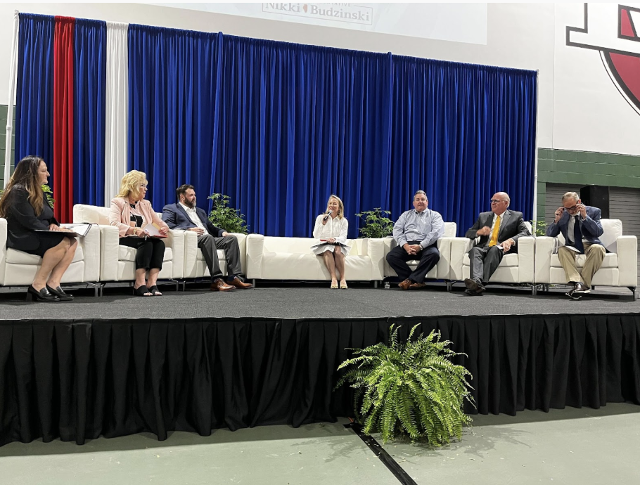
In an era defined by unprecedented technological acceleration, the rise of artificial intelligence stands as a monumental force reshaping industries, economies, and societies worldwide. As an AI specialist and enthusiast, I’m constantly observing how this revolution demands not just technological innovation, but also a fundamental re-evaluation of how we educate, train, and empower our human capital. The future of work is here, and it’s inextricably linked to our collective ability to adapt and thrive in an increasingly AI-driven landscape. This transformation isn’t confined to Silicon Valley or global tech hubs; it’s a nationwide imperative, reaching into every community, large and small.
It’s in this context that local educational initiatives take on a profound significance. They are the grassroots engines of progress, bridging the gap between global trends and local needs. Consider events like the one held by Indiana Tech in Warsaw, Indiana—a testament to a proactive approach to fostering skill development and community resilience. While a specific open house might seem like a local event, its underlying purpose speaks to a universal truth: investing in accessible, high-quality tech education is paramount for individual career advancement and the sustained vitality of our communities. It’s about building a robust ecosystem where innovation can flourish, and where every citizen has the opportunity to participate meaningfully in the digital future.
AI workforce development: The Foundation of Future Prosperity
The demand for professionals skilled in artificial intelligence, machine learning, data science, and related fields is skyrocketing. Reports from sources like LinkedIn and the World Economic Forum consistently highlight AI and data-related roles among the fastest-growing job categories globally. From AI engineers and machine learning specialists to data scientists, prompt engineers, and AI ethicists, the spectrum of opportunities is vast and continually expanding. However, this explosive growth has also illuminated a critical skills gap. Companies across sectors—healthcare, manufacturing, finance, logistics, and retail—are struggling to find qualified talent capable of designing, implementing, and managing AI solutions.
This is precisely where focused efforts on AI workforce development become indispensable. Institutions like Indiana Tech play a pivotal role in this equation. They are not merely degree factories; they are incubators for the next generation of innovators, problem-solvers, and critical thinkers who will navigate the complexities of AI. Their curricula must evolve rapidly, incorporating the latest advancements in AI theory and practical application. This means offering programs that go beyond traditional computer science, delving into specialized areas such as natural language processing, computer vision, predictive analytics, and algorithmic ethics. By providing hands-on training and real-world project experience, these institutions equip students with the tangible skills needed to contribute immediately to the workforce.
Furthermore, effective AI workforce development extends beyond initial degree programs. It encompasses a philosophy of lifelong learning. The pace of change in AI is so rapid that what is cutting-edge today may be foundational tomorrow. Therefore, universities must also offer flexible pathways for existing professionals to upskill or reskill. This could involve micro-credentials, certificate programs, executive education courses, or even bootcamps tailored to specific industry needs. By providing these continuous learning opportunities, institutions ensure that the local workforce remains agile and competitive, capable of adapting to new technological paradigms as they emerge.
Cultivating Regional Tech Ecosystems: The Power of Local Partnerships
The success of AI workforce development isn’t solely the responsibility of educational institutions; it’s a collaborative endeavor involving academia, local industry, government, and community organizations. The Indiana Tech open house, for instance, explicitly aimed to connect with partners from Kosciusko County, showcasing the understanding that true progress requires a shared vision and coordinated action. Such partnerships are crucial for several reasons.
Firstly, industry engagement ensures that academic programs remain relevant and aligned with market demands. When local businesses collaborate with universities, they can provide invaluable input on curriculum design, offering insights into the specific skills and competencies they need from new hires. This might include practical applications of AI in manufacturing, supply chain optimization, or personalized customer service within local businesses. This symbiotic relationship helps tailor education to specific regional economic drivers, creating a direct pipeline from classroom to career.
Secondly, these partnerships foster an ecosystem of innovation. By bringing together diverse stakeholders, they create opportunities for internships, apprenticeships, and collaborative research projects. Students gain real-world experience, applying their theoretical knowledge to solve actual industry challenges. Companies, in turn, benefit from fresh perspectives and access to a talent pool that is eager to contribute. This synergy can lead to the development of new technologies, the creation of startup ventures, and ultimately, the establishment of the region as a growing tech hub. Think of how similar collaborations have transformed cities like Pittsburgh or Raleigh-Durham into vibrant centers for AI and robotics.
Thirdly, community involvement ensures that the benefits of technological advancement are broadly distributed. Local government agencies and community groups can play a vital role in identifying unmet needs, promoting awareness of educational opportunities, and providing support services to students. By actively engaging the entire community, these initiatives can help overcome barriers to access, ensuring that individuals from all backgrounds have the chance to participate in the burgeoning tech economy. This collective approach strengthens the social fabric, making communities more resilient and prosperous in the face of rapid technological change.
Beyond the Campus: The Broader Community Impact
The ramifications of robust AI workforce development extend far beyond individual career trajectories and university campuses. They reverberate throughout the entire community, creating a ripple effect of positive change. A skilled local workforce is a powerful magnet for economic growth. Businesses looking to expand or relocate often prioritize regions with a strong talent pool, especially in high-demand fields like AI. This influx of companies leads to job creation, increased tax revenues, and greater economic diversity, making communities less susceptible to fluctuations in any single industry.
Moreover, a tech-savvy community is often a more innovative and resilient one. Local talent can drive the adoption of AI solutions within existing industries, improving efficiency, productivity, and competitiveness. For instance, AI-driven analytics can optimize logistics for local manufacturers, predictive maintenance can extend the life of machinery, and AI-powered customer service can enhance small business operations. This internal innovation helps local businesses thrive, even in the face of global competition.
Beyond the purely economic, improved access to tech education and the growth of local tech sectors can enhance the overall quality of life. It can reduce “brain drain,” encouraging talented young people to stay in their hometowns or even attract new residents seeking opportunities. This can lead to a more vibrant cultural scene, better public services supported by increased tax bases, and a general sense of forward momentum. Events like an open house at a local campus are not just recruitment drives; they are demonstrations of a community’s commitment to its future, an invitation to its residents to dream bigger and equip themselves for the challenges and opportunities ahead.
The role of accessible education is particularly crucial here. Not everyone can afford to move to a major city for higher education, nor should they have to. Local institutions offering cutting-edge programs make career advancement pathways more equitable, reaching diverse populations who might otherwise be excluded from the tech boom. By offering flexible schedules, online components, and support services, these campuses become crucial gateways to economic mobility and personal empowerment.
Navigating the Future: Continuous Adaptation and Ethical Considerations
As we look to the horizon, the landscape of AI will continue to evolve at breakneck speed. New paradigms like generative AI are already reshaping creative industries, software development, and customer interactions. This means that AI workforce development initiatives must also be agile, continuously adapting their offerings to reflect the latest technological shifts. Universities must foster research and development in AI, not just teach existing knowledge, to stay at the forefront of innovation.
Equally important is the integration of ethical considerations into all aspects of AI education. As AI systems become more powerful and pervasive, the societal implications—from data privacy and bias to accountability and job displacement—become increasingly critical. Future AI professionals need not only technical prowess but also a strong ethical compass and a deep understanding of the human-centric aspects of technology. Programs must cultivate critical thinking, responsible innovation, and an awareness of the broader societal impact of their work. This ensures that the AI we build is not only intelligent but also equitable, transparent, and beneficial for humanity.
Ultimately, the journey of AI workforce development is a marathon, not a sprint. It requires sustained investment, strategic partnerships, and a collective belief in the power of education to transform lives and communities. The foundation laid today, through accessible tech education and robust local engagement, will determine our collective capacity to harness AI’s potential for a prosperous and equitable future.
In conclusion, the quiet revolution of artificial intelligence is upon us, demanding a proactive and thoughtful response from every sector of society. Initiatives championed by institutions like Indiana Tech, through their commitment to local engagement and relevant educational offerings, exemplify the crucial role that accessible, career-focused learning plays in this transformative period. By fostering robust AI workforce development, these efforts directly contribute to individual career advancement, equipping learners with the skills to thrive in a rapidly changing job market. They are empowering individuals to not just cope with technological change, but to lead it.
Beyond individual success, the ripple effect of such educational endeavors strengthens the very fabric of our communities. A well-trained tech workforce attracts investment, stimulates innovation, and ensures that regional economies remain competitive and dynamic. It’s a holistic approach to progress, where education, industry, and community coalesce to build a future that is resilient, prosperous, and inclusive for all. As we continue to navigate the complexities and marvels of the AI age, the importance of cultivating such local ecosystems for talent development cannot be overstated – they are, quite simply, the bedrock of our shared future.