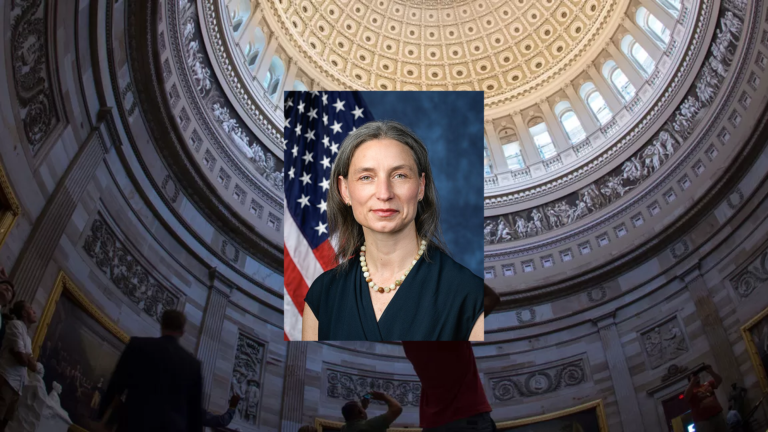

In an increasingly complex world, the conversation around mental health has rightly shifted from the periphery to the forefront of global discourse. It’s no longer a niche concern but a fundamental aspect of overall well-being, demanding a compassionate and skilled professional response. The journey to becoming one of these vital professionals is multifaceted, often beginning in academic settings and truly solidifying through practical, hands-on experience. This is precisely the path being forged by dedicated students like Faria Chowdhury ’27, an aspiring counselor from Oglethorpe University, whose recent internship at Skyland Trail stands as a testament to the transformative power of real-world application. Her commitment underscores a broader trend: the imperative for future mental health practitioners to not only master theoretical knowledge but also cultivate tangible skills crucial for an impactful mental health career.
The Evolving Landscape of a Mental Health Career: Demand and Diversity
The global landscape of mental health is undergoing a profound transformation. According to the World Health Organization (WHO), nearly one billion people worldwide live with a mental disorder, and approximately one in eight people globally live with a mental disorder. Conditions like depression and anxiety disorders alone cost the global economy an estimated US$ 1 trillion each year in lost productivity. The COVID-19 pandemic further exacerbated this crisis, leading to a 25% increase in the prevalence of anxiety and depression worldwide in its first year. These sobering statistics paint a clear picture: the demand for qualified, empathetic, and effective mental health professionals has never been more critical.
Choosing a mental health career means entering a field rich with diverse specializations, each addressing unique aspects of human psychology and well-being. It’s not a monolithic path but a broad ecosystem encompassing various roles. Clinical psychologists, for instance, focus on diagnosing and treating mental, emotional, and behavioral disorders, often requiring doctoral-level education. Counseling psychologists typically work with individuals and groups to help them cope with life changes, emotional challenges, and personal growth, often with a master’s or doctoral degree. School counselors support students’ academic, social, and emotional development, playing a crucial preventative and interventionist role within educational settings.
Beyond these, the field extends to social workers, who often operate at the intersection of individual needs and societal systems, providing support, advocacy, and resource navigation. Marriage and family therapists work with couples and families to improve relationships and resolve conflicts. Addiction counselors specialize in helping individuals overcome substance abuse and behavioral addictions. Psychiatric nurses provide holistic care, combining mental health expertise with medical knowledge, often administering medication and monitoring patient progress. Moreover, research psychologists are vital to advancing our understanding of the mind and developing evidence-based treatments, while public health specialists work on community-level mental health initiatives and prevention programs.
Regardless of the specific path chosen within this expansive field, certain core competencies are universally essential for a successful mental health career. Empathy, active listening, and exceptional communication skills form the bedrock of therapeutic relationships. Critical thinking and problem-solving abilities are crucial for formulating effective treatment plans. Cultural competence ensures that practitioners can effectively serve diverse populations with sensitivity and understanding. Ethical judgment is paramount in a field dealing with sensitive personal information and vulnerable individuals. Additionally, as Faria Chowdhury’s experience highlights, proficiency in clinical data management and research acumen are increasingly vital, reflecting the growing importance of evidence-based practice and data-driven decision-making in modern mental healthcare.
Beyond Theory: Faria Chowdhury’s Transformative Experience at Skyland Trail
While theoretical knowledge gained in university lecture halls provides a foundational understanding, it is through practical experience that aspiring professionals truly hone their craft. Internships serve as invaluable bridges between academic learning and real-world application, offering a safe yet challenging environment to test skills, build confidence, and discover one’s niche within a mental health career. Faria Chowdhury’s internship at Skyland Trail exemplifies this transformative power of experiential learning.
Skyland Trail is not just any facility; it is a nationally recognized residential treatment center based in Atlanta, Georgia, dedicated to adults and adolescents grappling with complex mental illnesses such as bipolar disorder, major depression, schizophrenia, and anxiety disorders. Known for its evidence-based approach and integrated treatment model, Skyland Trail provides a comprehensive continuum of care, including psychiatric services, individual and group therapy, expressive therapies, and life skills training. For a student like Faria, interning in such an environment offers unparalleled exposure to the multifaceted nature of mental health treatment and recovery, immersing her in the daily rhythms and crucial operations of high-quality clinical care.
During her time at Skyland Trail, Faria was instrumental in strengthening her skills across several critical domains, directly applicable to any future mental health career. One key area was clinical data management. In today’s healthcare landscape, accurate and ethical record-keeping is not merely an administrative task; it is fundamental to patient care, legal compliance, and effective treatment outcomes. Faria’s involvement in this area would have encompassed understanding Electronic Health Records (EHRs), ensuring the integrity and confidentiality of sensitive patient information in accordance with regulations like HIPAA (Health Insurance Portability and Accountability Act), and learning how data is used to track patient progress, inform treatment adjustments, and evaluate the efficacy of therapeutic programs. This skill is vital for any professional involved in patient care, contributing to seamless transitions, accountability, and improved patient safety.
Her engagement with research activities further illustrates the depth of her learning. In an era where evidence-based practice is the gold standard, mental health professionals must be capable of understanding, evaluating, and even contributing to scientific research. Faria likely assisted in literature reviews, helped collect and organize data for ongoing studies, or supported the dissemination of findings. Such involvement would have provided her with a firsthand appreciation for how research informs therapeutic interventions, helps identify best practices, and drives innovation in the field. This foundation in research methodology and application is indispensable for a professional committed to delivering the most effective and up-to-date care.
Finally, Faria’s development in communications extended far beyond basic interpersonal skills. In a clinical setting, effective communication is a complex art form. It involves mastering therapeutic communication techniques such as active listening, empathetic responding, and motivational interviewing, which are crucial for building rapport and facilitating client insight. It also encompasses inter-professional communication – learning to effectively collaborate with a diverse team of psychiatrists, nurses, social workers, and other therapists to ensure holistic and coordinated patient care. Furthermore, it might have involved communicating with patients’ families, providing psychoeducation, or advocating for patient needs within the healthcare system. These advanced communication proficiencies are not just “soft skills”; they are clinical necessities that underpin every successful interaction in a mental health career.
Cultivating Future Leaders: Oglethorpe’s Commitment and the Broader Impact
The success stories of students like Faria Chowdhury are not solitary events; they are often the culmination of dedicated institutional support and a robust educational framework. Universities like Oglethorpe play a pivotal role in preparing students for the demanding yet profoundly rewarding journey of a mental health career. By offering comprehensive psychology programs, fostering faculty mentorship, and actively promoting experiential learning opportunities, these institutions equip their students with both the theoretical foundations and the practical acumen required to excel.
Oglethorpe’s commitment to hands-on learning ensures that its psychology students are not merely observers but active participants in their future professions. This approach recognizes that the complexities of human psychology cannot be fully grasped within the confines of a textbook. It necessitates direct engagement, critical reflection, and the development of a nuanced understanding of real-world challenges. This emphasis helps students cultivate resilience, ethical reasoning, and a profound sense of responsibility, all of which are essential attributes for any aspiring mental health professional.
However, pursuing a mental health career is not without its challenges. Professionals in this field often confront demanding emotional situations, high caseloads, and the potential for burnout. They must possess robust emotional resilience, effective self-care strategies, and a strong support network to sustain their well-being. The ethical dilemmas can be profound, requiring continuous reflection and adherence to professional guidelines. Moreover, the field demands a commitment to continuous learning and professional development, as new research, therapeutic modalities, and technological advancements regularly emerge.
Yet, the rewards of a mental health profession are immeasurable. The ability to witness an individual’s journey from struggle to recovery, to empower families, and to contribute to the healing of communities offers a unique sense of purpose. Mental health professionals are the architects of hope, providing guidance, validation, and practical tools that enable people to navigate life’s toughest challenges and lead more fulfilling lives. Their work extends beyond individual sessions, contributing to a healthier, more understanding society that increasingly destigmatizes mental illness.
Looking ahead, the future of the mental health sector is being shaped by several exciting trends. Telehealth, propelled by recent global events, has dramatically expanded access to care, removing geographical barriers and offering flexibility. Integrated care models, where mental health services are seamlessly embedded within primary care settings, are enhancing holistic patient outcomes. Furthermore, technology continues to offer innovative tools for symptom tracking, mood monitoring, and even AI-powered support, which, when used ethically and effectively, can augment the work of human professionals, making a mental health career even more dynamic and impactful.
The journey of aspiring professionals like Faria Chowdhury, supported by institutions dedicated to experiential learning, is fundamental to addressing the growing global need for mental health support. Her internship at Skyland Trail is more than just a line on a resume; it is a foundational experience that has solidified her skills in clinical data management, research, and communication – competencies that will define her success in a future mental health career. Such practical exposure allows students to transition from theoretical understanding to confident application, building the critical framework necessary to navigate the complexities of human psychology and provide truly transformative care.
As the world continues to prioritize mental well-being, the demand for compassionate, skilled, and ethically grounded professionals will only intensify. The dedication of students like Faria, who proactively seek out opportunities to grow and learn beyond the classroom, ensures that the next generation of mental health leaders is not only prepared for the challenges ahead but also poised to make a profound and lasting positive impact on countless lives. Their commitment embodies the hope for a future where mental health is truly recognized and supported as an indispensable pillar of human existence.