
In an era where algorithms guide everything from our streaming recommendations to our potential next job, stories of radical departure from conventional paths often stand out as fascinating anomalies. As an AI specialist, I’m constantly immersed in data patterns, predictive analytics, and the optimization of human experience through technology. Yet, there’s a profound beauty in narratives that defy neat categorization, that celebrate intuition, passion, and the pursuit of an authentic calling. Alexander Widener’s journey is one such story—a compelling testament to the power of human spirit over programmatic predictability. He wasn’t merely seeking a new job; he was architecting a new existence, trading the relentless pace of New York City marketing for the serene, purposeful rhythm of Maine, a bed-and-breakfast, and an antique shop. From a purely data-driven standpoint, such a radical pivot might seem illogical, lacking the linear progression favored by conventional metrics. Yet, it underscores a fundamental truth about human aspirations: the pursuit of meaning often transcends the pursuit of mere efficiency. Alexander Widener’s narrative is a vivid illustration of this, a powerful testament to authentic career reinvention driven by passion. This isn’t just a tale of changing vocations; it’s a deep dive into what happens when one dares to listen to the quiet whispers of true desire, manifesting a vibrant, vintage-infused reality that resonates far beyond a trending hashtag.
### Career Reinvention: Beyond the Algorithmic Blueprint
In a world increasingly driven by data points and career progression metrics, the notion of a complete career reinvention can seem like a statistical outlier. We are often nudged by sophisticated AI tools towards roles that align with our skills matrices, past experiences, and perceived market demands. Yet, Alexander Widener’s story illustrates a powerful counter-narrative: the profound impact of passion, intuition, and a deep yearning for authenticity. A former marketing manager navigating the high-stakes, fast-paced world of New York City, Widener made a pivot so complete it might baffle even the most advanced predictive analytics engine. His decision to leave behind the corporate ladder, the urban sprawl, and the incessant hum of digital commerce for the quiet charm of Maine, to establish a bed-and-breakfast and an antique shop, is more than just a lifestyle change; it is a masterclass in deliberate, values-driven transformation.
Statistically, radical career changes are becoming more common. A recent LinkedIn study revealed that the average worker changes jobs 12 times in their career, and a significant portion involves entirely new industries. However, Widener’s shift wasn’t a lateral move or an incremental upgrade; it was a wholesale embrace of a fundamentally different way of life, anchored by a deep-seated love for vintage aesthetics and the art of hospitality. This kind of transformation speaks to a deeper human desire that often eludes algorithmic detection—the pursuit of intrinsic satisfaction over extrinsic success markers. While AI can analyze market trends for bed-and-breakfast profitability in Maine or identify antique market niches, it struggles to quantify the ‘why’ behind a decision rooted in personal fulfillment, the specific joy derived from restoring a vintage piece, or the connection forged with a guest over a shared breakfast. Widener’s journey highlights that genuine career reinvention often springs from an internal compass, guiding individuals towards vocations that align perfectly with their core identity, rather than solely optimizing for salary or status. This personal alignment, often dismissed by purely rational models, is precisely where human agency truly shines.
The allure of leaving behind a high-pressure urban career for a simpler, more connected existence is a narrative that resonates deeply in our hyper-digital age. This phenomenon, sometimes termed the ‘Great Resignation’ or ‘Great Reevaluation,’ saw millions rethink their professional paths, particularly in the wake of global shifts. While economic factors and remote work capabilities played a role, a significant driver was the desire for a better quality of life and work-life balance. Widener’s proactive choice to pursue this shift before it became a widespread trend underscores his foresight and commitment to his internal values. He wasn’t waiting for a crisis; he was creating an opportunity for profound self-realization. His move to Maine, a state renowned for its rugged beauty, independent spirit, and slower pace of life, wasn’t accidental. It was a conscious choice of environment that would foster his newfound passions and allow for a seamless integration of his personal interests with his professional endeavors. This intentional selection of a geographical and cultural ecosystem is a critical, yet often overlooked, component of successful career reinvention—one that extends far beyond a job description and into the very fabric of daily living.
### The Art of Curation in a Digital Age
Alexander Widener’s passion isn’t merely about buying and selling old items; it’s about the sophisticated art of curation. In an era saturated with mass-produced goods and ephemeral digital content, the pursuit of unique, historically rich objects offers a powerful counterpoint. Curation, in Widener’s hands, becomes an act of storytelling—each piece in his antique shop, and subsequently in his bed-and-breakfast, possesses a narrative, a whisper of past lives and forgotten craftsmanship. This is where his journey takes on a fascinating duality: a deep appreciation for the analog and the tangible, amplified by the inherently digital world of social media.
His viral social media following isn’t an accidental byproduct; it’s a testament to his innate ability to translate the timeless appeal of vintage into compelling visual narratives. On platforms where algorithms typically favor novelty and fleeting trends, Widener has carved out a unique space by championing the enduring charm of the past. He understands that while the physical antique might appeal to a select few, the story behind it, the aesthetic, and the lifestyle it represents, can captivate a global audience. This blending of old-world charm with new-world reach is a powerful example of how digital tools can elevate and democratize niche interests. For an AI specialist, observing this phenomenon is particularly insightful: it demonstrates how algorithms, designed to surface ‘engaging content,’ can unexpectedly champion authenticity and human-driven passion, even when the subject matter is far removed from cutting-edge technology. It suggests that while AI can predict what users *might* like based on past behavior, truly viral content often taps into deeper, universal human sentiments—nostalgia, beauty, storytelling, and the desire for genuine connection.
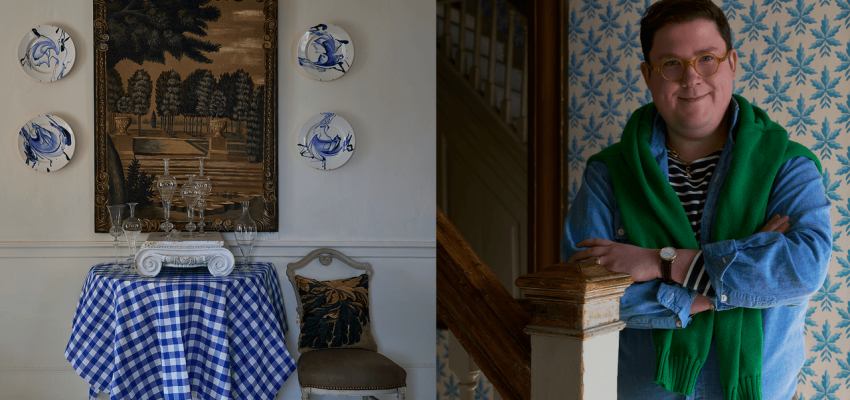
The antique market itself is a fascinating microcosm of economic and cultural dynamics. It’s not simply about intrinsic value but about perceived rarity, historical significance, aesthetic appeal, and emotional resonance. The process of identifying, restoring, and re-homing these pieces is a craft in itself, demanding an eye for detail and an intuitive understanding of style that artificial intelligence, for all its pattern recognition capabilities, struggles to replicate. While AI might assist in cataloging or even identifying fakes through image recognition, the nuanced judgment required to see the inherent beauty in a faded textile or the potential in a chipped porcelain vase remains a distinctively human faculty. Widener’s discerning eye turns potential discards into cherished treasures, creating a sustainable loop long before ‘circular economy’ became a buzzword. His practice embodies the principle of giving new life to old objects, reducing waste, and preserving history, all while creating a thriving business and a beautiful living space. This form of value creation is less about optimization and more about appreciation, a testament to enduring human values that transcend mere utility. The narrative of his beautiful home and his curated shop, shared across platforms like Instagram, acts as a digital portal to an analog dream, inspiring countless others to look beyond the fleeting trends and discover the lasting elegance of the vintage aesthetic. His success demonstrates that genuine passion, when authentically shared, can create a powerful resonance that algorithms then amplify, rather than solely dictate.
### The Irreducible Human Element: Passion, Purpose, and Maine’s Allure
Ultimately, Alexander Widener’s story is a profound exploration of purpose. In an age where digital interfaces often mediate our interactions and AI-driven systems aim to streamline our lives, the tangible satisfaction of hands-on work, of direct human connection, and of living in harmony with one’s environment takes on a heightened significance. His move to Maine wasn’t just a geographical shift; it was a deliberate embrace of a lifestyle that prioritizes direct experience and intrinsic rewards. Running a bed-and-breakfast demands an extraordinary level of personal engagement—from preparing meals and maintaining the property to offering local recommendations and engaging with guests from all walks of life. This high-touch hospitality contrasts sharply with the often-impersonal nature of large-scale corporate environments. It represents a return to fundamental human services, where empathy, attentiveness, and genuine warmth are paramount.
For an AI specialist, observing this shift prompts reflection on the limits of automation and the enduring value of human touch. While AI can optimize booking systems, manage inventories, or even personalize guest experiences to some extent, it cannot replicate the nuanced warmth of a sincere welcome, the intuitive understanding of a guest’s needs, or the serendipitous conversations that make a stay truly memorable. These are the ‘irreducible human elements’ that defy algorithmic capture and remain central to meaningful human experiences. Widener’s success in both his hospitality venture and his antique business stems from his ability to cultivate these elements, creating spaces and interactions that feel authentic, personal, and deeply human. His B&B isn’t just a place to sleep; it’s an immersive experience in carefully curated comfort and genuine connection, a stark contrast to the often sterile, optimized environments that proliferate in the modern travel industry.
Maine itself plays a pivotal role in this narrative of self-discovery and fulfillment. Known for its rugged coastline, vast forests, and vibrant small towns, Maine offers a backdrop for a life lived deliberately and in closer communion with nature. This choice of environment reflects a growing trend among individuals seeking an escape from urban congestion and a desire for a slower, more intentional pace of life. The psychological benefits of such an environment—reduced stress, increased sense of community, and greater opportunities for outdoor recreation—are well-documented. Widener’s story becomes an archetype for this movement, demonstrating that a well-chosen environment can be as transformative as a new vocation. It’s a holistic career reinvention, where work, life, and location converge to create an integrated, joyful existence. This harmony is a testament to the power of aligning one’s external circumstances with one’s internal values, a process that, while complex and deeply personal, offers profound lessons for anyone seeking a more meaningful path. He found a life that was “meant to be,” a phrase that, from a data-driven perspective, might seem nebulous, but from a human perspective, signifies the ultimate congruence between self and environment, passion and profession. This congruence, where an individual finds their “flow state” in daily work, is a goal that AI and technology can, at best, only hope to support, never truly dictate or replace.
Alexander Widener’s journey from a New York marketing executive to a proprietor of a charming Maine bed-and-breakfast and antique shop is more than just a personal triumph; it’s a resonant allegory for our times. In an increasingly interconnected yet often isolating digital landscape, his story serves as a powerful reminder of the enduring human need for authenticity, purpose, and tangible connection. As an AI specialist, I am endlessly fascinated by the ways technology can optimize and enhance human endeavors. Yet, stories like Widener’s reveal the beautiful limitations of our algorithms—they can process data, identify patterns, and even predict probabilities, but they cannot fully grasp the deeply personal, often illogical, and profoundly human impulses that drive us towards radical self-discovery and fulfillment. His success isn’t just measured in profit or social media reach, but in the palpable sense of purpose and joy that radiates from his curated life.
Ultimately, Widener’s experience invites us to reflect on our own paths. Are we truly living the lives “meant to be,” or are we merely following a script written by external expectations or algorithmic suggestions? His bold move to integrate his passion for vintage into a sustainable livelihood, amplified by a genuine social media presence, demonstrates that an authentic life is not just aspirational but achievable. It’s a powerful testament to the idea that true success often lies not in conforming to predefined metrics, but in forging a path uniquely our own, one beautiful antique, one warm welcome, and one genuine human connection at a time. In an era demanding innovation, perhaps the greatest innovation is the courage to reinvent ourselves, to slow down, and to find profound meaning in the overlooked treasures of the past and the present.