

From the ancient whispers of towering trees to the tranquil rush of hidden rivers, our planet’s natural landscapes hold an undeniable allure, a call to adventure and serenity that captivates the human spirit. Yet, these precious ecosystems don’t simply thrive on their own; they require dedicated stewards, vigilant protectors who work tirelessly to preserve their delicate balance and ensure their accessibility for generations to come. This is the profound calling of those who pursue forest ranger careers—a profession far more diverse and demanding than often imagined.
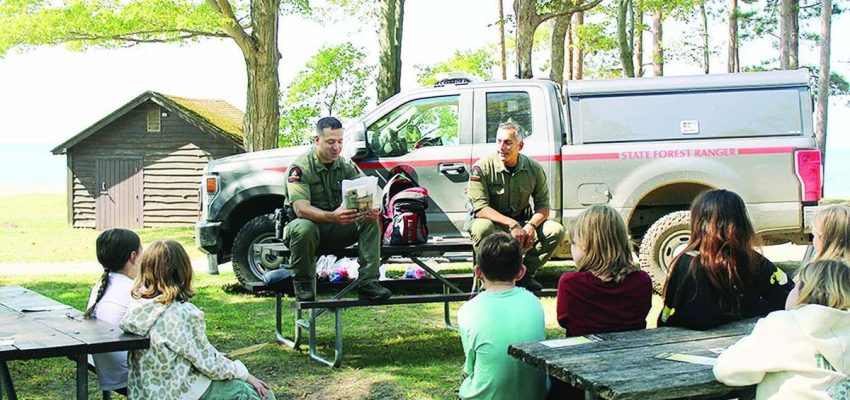
Recently, the 37th annual Oswego County Conservation event offered elementary school students a unique glimpse into this world, fostering an early connection to environmental stewardship through hands-on activities. While such initiatives are crucial for sparking youthful curiosity, the reality of working as a forest ranger is an intricate tapestry woven with law enforcement, conservation science, emergency response, and community engagement. As an AI specialist and tech enthusiast, I find the intersection of traditional environmental guardianship with modern innovation particularly compelling. This article delves deep into the multifaceted roles, challenges, and evolving nature of forest ranger careers, exploring not only what it takes to join their ranks but also how cutting-edge technology is empowering these guardians of our green heritage.
Forest Ranger Careers: Guardians of Our Natural Heritage
At its core, a forest ranger is an environmental professional tasked with managing, protecting, and preserving natural resources. This definition, however, barely scratches the surface of a role that demands an extraordinary breadth of skills and an unwavering commitment to the wild. Forest rangers are often the first line of defense against environmental threats, the patient educators of the public, and the brave responders in times of crisis.
Their day-to-day responsibilities are incredibly varied, making forest ranger careers dynamic and perpetually challenging. On any given day, a ranger might be:
* **Enforcing Regulations:** Patrolling vast expanses of wilderness, enforcing hunting, fishing, and boating laws, and investigating environmental crimes such as illegal dumping, poaching, or unauthorized timber harvesting. They possess law enforcement authority, often requiring training comparable to police officers.
* **Managing Resources:** Overseeing sustainable forestry practices, monitoring wildlife populations, managing invasive species, and ensuring the health of ecosystems. This often involves collecting data, conducting surveys, and implementing conservation plans based on scientific research.
* **Responding to Emergencies:** Playing a critical role in wildfire suppression, often serving as frontline firefighters, incident commanders, or logistics specialists. They also lead search and rescue operations for lost hikers or injured individuals, requiring advanced first aid and wilderness survival skills.
* **Educating the Public:** Developing and delivering educational programs for visitors of all ages, interpreting natural history, explaining conservation efforts, and promoting safe outdoor recreation practices. They are vital bridges between the public and the intricate workings of nature.
* **Maintaining Infrastructure:** Overseeing the upkeep of trails, campsites, facilities, and signage within parks and wilderness areas, ensuring both ecological integrity and visitor safety.
The importance of these roles cannot be overstated, especially in an era defined by rapid climate change, increasing human population pressure, and a growing appreciation for outdoor recreation. From mitigating the devastating impacts of wildfires—which have grown in frequency and intensity globally, with millions of acres burned annually in the U.S. alone—to safeguarding biodiversity in an age of unprecedented species loss, forest rangers are integral to our collective environmental future. They protect not just trees and animals, but the very air we breathe, the water we drink, and the natural spaces that rejuvenate our spirits. Their work directly contributes to carbon sequestration, watershed protection, and maintaining the delicate balance of ecosystems worldwide.
The Path to Becoming a Ranger: Skills, Education, and Dedication
For those drawn to the call of the wild and the purpose of public service, pursuing forest ranger careers is a demanding yet profoundly rewarding journey. The path typically begins with a strong educational foundation, often a bachelor’s degree in fields such as forestry, environmental science, natural resource management, conservation biology, or even criminal justice for roles with significant law enforcement components. Some specialized positions might require master’s degrees, while others can be accessed with relevant associate degrees and extensive field experience.
Beyond academic qualifications, a forest ranger must possess an exceptional array of practical skills and personal attributes. Physical fitness is paramount, as the job frequently involves strenuous activity, long hours in rugged terrain, and the ability to respond effectively to emergencies. This includes everything from hiking miles with heavy gear to operating specialized equipment in challenging conditions.
Other crucial skills include:
* **Problem-Solving and Decision-Making:** Rangers often face unpredictable situations requiring quick, sound judgment under pressure, whether it’s navigating a wildfire or coordinating a search party.
* **Communication:** Effective interaction with the public, team members, and other agencies is vital for education, law enforcement, and emergency coordination.
* **Leadership and Teamwork:** Many tasks are collaborative, especially in emergency response, demanding strong leadership qualities and the ability to work seamlessly within a team.
* **Resilience and Adaptability:** The work environment can be harsh and unforgiving, requiring mental toughness and the ability to adapt to rapidly changing circumstances, from weather extremes to unexpected incidents.
* **Outdoor Survival and First Aid:** Proficiency in wilderness navigation, survival techniques, and advanced first aid (like Wilderness First Responder certification) is often a prerequisite.
After meeting educational and skill requirements, prospective rangers typically undergo rigorous training academies. These often cover law enforcement procedures, firearm proficiency, wildfire behavior and suppression techniques, search and rescue protocols, and environmental laws. The commitment is significant, but the rewards are equally profound. Few professions offer such a direct and tangible connection to nature, the satisfaction of protecting invaluable resources, and the privilege of serving communities by ensuring safe and enjoyable outdoor experiences. Career progression can lead to specialized roles, such as K9 units, wilderness paramedics, wildland fire specialists, or supervisory positions within state or federal agencies like the U.S. Forest Service, National Park Service, or state park systems.
Innovating Conservation: Technology’s Role in Modern Ranger Work
While the core mission of protecting natural resources remains timeless, the methods employed in forest ranger careers are continually evolving, profoundly shaped by technological advancements. Far from being isolated wilderness figures, modern rangers are increasingly equipped with sophisticated tools that enhance their effectiveness, safety, and reach. This integration of technology represents a fascinating frontier for conservation, one where the insights of an AI specialist like myself find practical application in the field.
Geographic Information Systems (GIS) and Global Positioning System (GPS) devices have become indispensable. Rangers use GIS to map ecosystems, track wildlife movements, monitor changes in land use, and plan patrol routes with unprecedented precision. GPS guides them through vast, unmarked territories, pinpoints emergency locations, and marks critical data points for analysis. This data-driven approach allows for more targeted conservation efforts and efficient resource allocation.
Drones, or Unmanned Aerial Vehicles (UAVs), are revolutionizing various aspects of ranger work. Equipped with high-resolution cameras, thermal imaging, and even Lidar sensors, drones can survey vast, inaccessible areas for wildfire detection and monitoring, assess post-fire damage, track wildlife populations, identify illegal activities like poaching or logging, and assist in search and rescue operations by covering ground faster and more safely than human teams. This aerial perspective provides critical real-time intelligence that empowers rangers to make informed decisions swiftly.
Remote sensing technologies, utilizing satellite imagery, provide a macro-level view of our planet’s health. Rangers and conservation scientists use this data to detect large-scale deforestation, monitor glacier melt, track changes in vegetation, and identify patterns indicative of environmental stress or illicit human activity. These tools enable proactive conservation strategies, allowing interventions before problems escalate.
Perhaps most exciting is the burgeoning role of Artificial Intelligence (AI) and Machine Learning (ML) in supporting forest ranger careers. While AI isn’t replacing rangers, it’s augmenting their capabilities dramatically:
* **Predictive Analytics:** AI models can analyze historical data (weather patterns, human activity, vegetation types) to predict wildfire risks with higher accuracy, identify potential poaching hotspots, or forecast the spread of invasive species. This allows rangers to deploy resources preemptively and focus their efforts where they are most needed.
* **Automated Monitoring:** AI-powered acoustic sensors can detect the sounds of chainsaws (illegal logging), gunshots (poaching), or even specific animal calls, alerting rangers to suspicious activity in real-time across vast areas.
* **Image Recognition:** Machine learning algorithms can analyze drone and satellite imagery to rapidly identify changes in forest cover, count animal populations, or detect the presence of specific plants or objects that human eyes might miss.
* **Data Synthesis:** AI can process and synthesize massive datasets from various sources (weather stations, sensor networks, public reports) to provide rangers with a comprehensive operational picture, aiding in complex resource management decisions and emergency responses.
Advanced communication systems, including satellite internet and ruggedized handheld devices, ensure that rangers remain connected even in the most remote locations, facilitating rapid information exchange and coordination. These technologies not only increase efficiency and safety for rangers but also enable a more data-driven, strategic, and ultimately more effective approach to environmental conservation. The future of forest ranger careers is one where deep ecological knowledge is synergized with intelligent technology, creating super-stewards capable of tackling the immense environmental challenges of our age.
In an increasingly complex world, the dedicated professionals who embark on forest ranger careers stand as crucial sentinels for our planet’s most invaluable assets: its natural landscapes and biodiversity. Their work transcends simple guardianship; it is a blend of scientific expertise, law enforcement rigor, emergency response bravery, and empathetic public education. From the solitude of remote patrols to the intensity of wildfire fronts, rangers commit their lives to preserving the wild heart of our world, often facing immense challenges with remarkable resilience.
As we’ve explored, the profession is not static. It is evolving, embracing cutting-edge technologies like GIS, drones, and artificial intelligence to amplify human effort and achieve greater impact. This exciting synergy between traditional skills and modern innovation ensures that forest rangers are better equipped than ever to confront the environmental pressures of the 21st century. Events like the Oswego County Conservation program are more than just field trips; they are vital sparks, igniting the passion for nature in young minds and potentially nurturing the next generation of environmental stewards, those who will eventually step into these essential and rewarding roles, continuing the vital legacy of protecting our shared natural heritage for all time.










