
The world of music, an enduring testament to human creativity and emotion, is undergoing a profound transformation. From the analog warmth of vinyl to the digital streams that permeate every corner of our lives, the industry has consistently adapted, often embracing technology as a co-creator rather than a mere tool. As an AI specialist and tech enthusiast, I find myself perpetually fascinated by how these advancements, particularly in artificial intelligence, are not just reshaping industries but redefining what it means to be a professional in fields traditionally seen as purely artistic.
Today, success in music demands far more than raw talent alone. It calls for a blend of artistic prowess, technological fluency, and keen business acumen. This evolving landscape necessitates a new approach to arts education, one that prepares aspiring musicians not just for the stage, but for the complex, interconnected, and increasingly algorithm-driven global marketplace. It’s in this context that programs like the University of North Carolina at Greensboro’s (UNCG) **PopTech program** shine, acting as a crucial crucible for the artists of tomorrow.
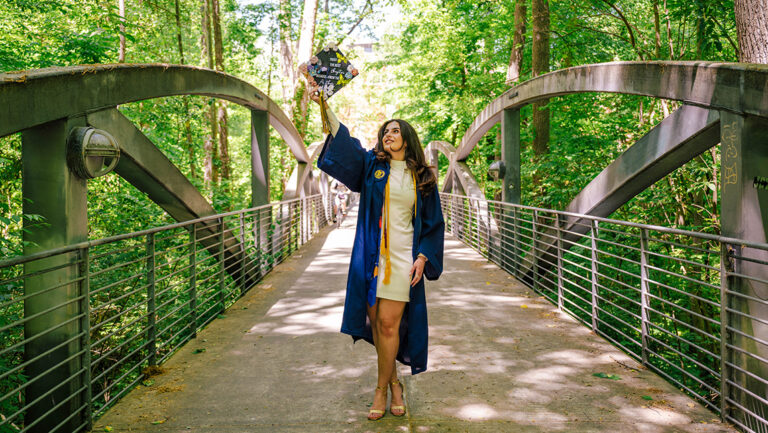
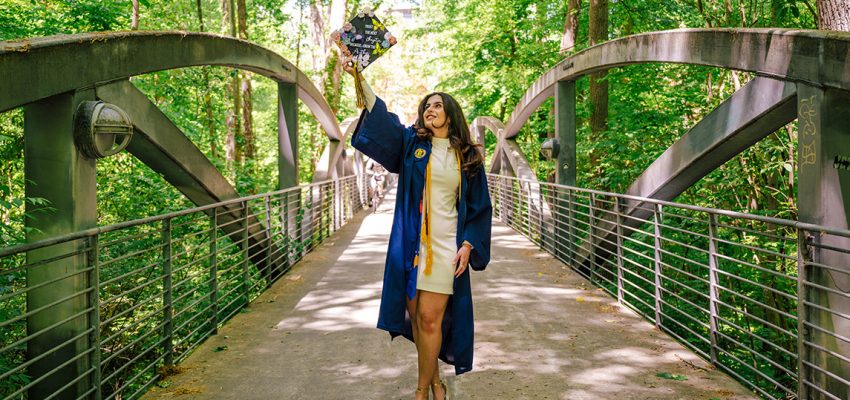
UNCG’s School of Music recently highlighted Vesa Basha, an artist who entered their doors with a voice and is now poised to exit with a comprehensive skill set and confidence to make a significant impact. Her journey epitomizes the ideal outcome of a modern music education: equipping students to thrive in a dynamic industry where innovation and adaptability are paramount. This is not just about nurturing talent; it’s about engineering career pathways in a future where human creativity and technological capability are inextricably linked.
### PopTech Program: Forging Future-Ready Artists in a Digital Age
The traditional image of a music student often conjures visions of classical conservatories, rigorous practice, and an almost singular focus on performance or composition. While these foundations remain invaluable, the contemporary music industry demands a much broader palette of skills. The **PopTech program** at UNCG exemplifies this forward-thinking approach, recognizing that today’s artists need to be multidisciplinary practitioners, adept at navigating both the creative and technical dimensions of their craft.
What precisely does it mean to be a ‘career-ready artist’ in 2024 and beyond? It implies proficiency extending far beyond instrumental mastery or vocal technique. It encompasses an understanding of music production, digital recording, audio engineering, and the intricacies of intellectual property. It demands an entrepreneurial spirit, a grasp of marketing and branding, and the ability to leverage digital platforms for promotion and distribution. For Vesa Basha, this journey from pure vocal talent to a confident, impactful artist underscores the program’s success in fostering these essential competencies. She is not just learning to sing; she is learning to build a career.
The curriculum of a robust **PopTech program** typically integrates performance with technology and business. Students delve into subjects like songwriting, arranging, digital audio workstations (DAWs), live sound reinforcement, and music business fundamentals. This holistic approach ensures that graduates are not merely musicians, but also producers, engineers, managers, and marketers of their own artistry. They are taught to harness tools like Logic Pro, Ableton Live, and Pro Tools, becoming fluent in the language of modern music creation. This hands-on experience is critical, transforming abstract knowledge into practical skills that are immediately applicable upon graduation. For someone like Vesa, this means not only refining her vocal artistry but also understanding how to record, mix, and master her own tracks, how to design a compelling online presence, and how to negotiate the complexities of contracts and royalties.
The emphasis on contemporary music genres – pop, rock, R&B, hip-hop, electronic – further ensures that the training remains relevant to current industry trends and audience tastes. This isn’t about discarding traditional forms, but about expanding the scope of musical expression and preparing students for the diverse career paths available in popular music today, from independent artist to session musician, producer, sound designer, or music educator with a modern twist. The very existence of such a specialized **PopTech program** is a testament to the industry’s evolution and the educational sector’s responsiveness to it.
### The Symphony of Innovation: Technology’s Role in Modern Music Education
The rapid evolution of technology has profoundly reshaped the music landscape, democratizing access to production tools and transforming how music is consumed and shared. Modern music education, particularly programs like PopTech, must not only acknowledge this shift but actively integrate it into their pedagogical framework. The days when a major record label was the sole gatekeeper of success are long gone. Today, artists can record, produce, distribute, and market their music globally from a home studio, often at a fraction of the cost.
Digital Audio Workstations (DAWs) have become the canvas for contemporary musicians, allowing for intricate layering, precise editing, and vast sonic experimentation. Virtual instruments and sophisticated plug-ins provide an orchestral array of sounds, accessible at a click. Understanding these tools is no longer optional; it is fundamental. A comprehensive **PopTech program** ensures that students are not just consumers of technology but proficient creators with it, turning ideas into polished, release-ready tracks. This technical fluency is what empowers artists like Vesa Basha to confidently step into a competitive environment, knowing they can take creative control over their entire production process.
Beyond production, technology has revolutionized distribution and audience engagement. Streaming platforms like Spotify, Apple Music, and YouTube are the new radio, offering artists unprecedented reach. Social media platforms, from TikTok to Instagram, are essential tools for building a brand, connecting with fans, and promoting new releases. An effective **PopTech program** equips students with the digital marketing strategies necessary to cut through the noise, understand analytics, and cultivate a loyal fanbase. They learn about SEO for music, targeted advertising, and content creation, essentially becoming their own digital strategists.
And then, there’s AI. While still a nascent field in some aspects of creative arts, artificial intelligence is already making its presence felt in music. AI can assist with music composition, generating melodies, chord progressions, and even full instrumental pieces. AI-powered mastering services can provide professional-grade audio polish at a fraction of the cost of traditional mastering engineers. Recommendation algorithms on streaming platforms shape what billions of listeners hear daily. AI is also being used for advanced analytics, helping artists understand their audience demographics, listening habits, and potential markets more deeply than ever before. For an AI specialist like myself, seeing music education proactively engage with these tools is thrilling. It’s about teaching students not to fear AI, but to understand its potential as a creative collaborator, a production assistant, or a data analyst, ensuring they are prepared for a future where human ingenuity and algorithmic support coalesce. The **PopTech program** becomes a crucial interface where these emerging technologies are explored and integrated, giving students a distinct edge.
### Cultivating Entrepreneurial Spirit: Beyond the Stage and Studio
For many artists, the journey from passion to profession is fraught with challenges, often not due to a lack of talent but a deficit in business acumen. The modern music industry is increasingly an entrepreneurial one, where artists are expected to be their own brand managers, publicists, financial planners, and tour organizers. This shift necessitates that programs like UNCG’s **PopTech program** go beyond artistic instruction to instill a robust entrepreneurial spirit and practical business skills.
Graduates of a leading **PopTech program** are taught not just how to make music, but how to make a living from it. This includes understanding copyright law, intellectual property rights, and various revenue streams from streaming royalties to synchronization licenses. They learn about contract negotiation, budgeting, and financial management – skills that are often overlooked in traditional arts education but are absolutely critical for independent artists. The confidence Vesa Basha is acquiring is, in large part, the confidence that comes from understanding the operational mechanics of the industry she is entering.
Moreover, networking and relationship building are integral components. Modern music education facilitates connections with industry professionals, fostering mentorship opportunities and collaborative projects. Students learn the art of pitching their work, building a professional portfolio, and effectively communicating their artistic vision. This blend of creative and commercial expertise prepares them to build sustainable careers, whether they aspire to be independent artists, work in music publishing, or contribute to the vibrant ecosystem of the live music industry. The comprehensive nature of a modern **PopTech program** ensures that graduates are not just dreamers, but strategic thinkers capable of turning their artistic aspirations into tangible success.
In essence, the ‘Class of 2026’ represents a new vanguard of artists who are not only creatively gifted but also technologically astute and entrepreneurially driven. They are entering an industry that, while constantly changing, offers more avenues for direct artist-to-fan engagement than ever before. Programs like PopTech are cultivating a generation of artist-entrepreneurs who understand that their voice, their message, and their unique artistic vision can reach global audiences, provided they master the tools and strategies of the digital age. This interdisciplinary approach is not just beneficial; it is indispensable.
In an era where artificial intelligence is increasingly capable of generating music, the human element—the unique voice, the authentic emotion, the profound storytelling—becomes even more valuable. Programs like UNCG’s **PopTech program** are not just training musicians; they are cultivating human artistry, equipping individuals like Vesa Basha with the comprehensive toolkit needed to stand out and thrive. They foster a deep understanding of how technology can augment, rather than replace, human creativity, preparing artists to intelligently integrate new tools while preserving their unique artistic identity.
The future of music lies in this harmonious blend of human talent and technological innovation. Institutions that embrace this synergy, providing artists with both a profound artistic foundation and the practical skills to navigate a digital-first, AI-influenced industry, are truly shaping the next wave of impactful creators. The success stories emerging from such programs are a testament to their foresight, ensuring that the magic of music continues to evolve, resonating with new generations, empowered by a holistic education that prepares them not just for a career, but for a future ripe with creative possibilities. The stage is set, and the future-ready artists are ready to perform.