
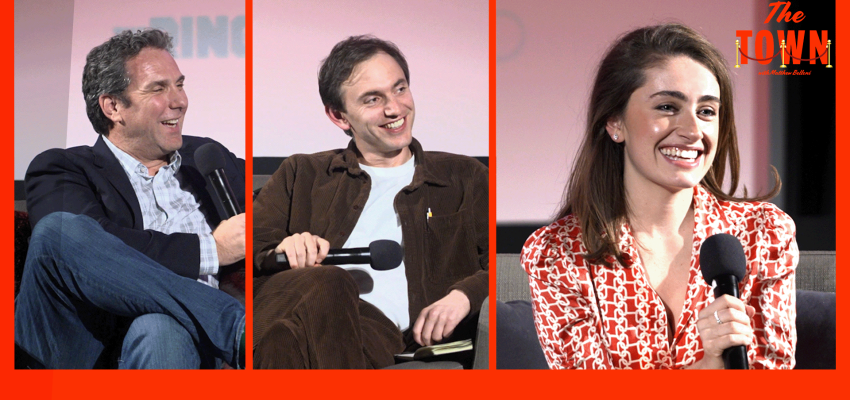

Hollywood, the perennial dream factory, has always been a crucible of innovation and ambition. For generations, aspiring creatives have flocked to its sun-drenched boulevards, each hoping to chart a unique path through its labyrinthine corridors. The journey, as highlighted by figures like Rachel Sennott in her discussions on breaking into the industry and becoming a first-time showrunner, has traditionally been defined by grit, networking, and a sprinkle of luck. Yet, as an AI specialist, writer, and tech enthusiast, I, André Lacerda, see a new, powerful force fundamentally altering this landscape: artificial intelligence.
No longer confined to the realm of science fiction, AI is rapidly moving from the periphery to the very heart of the entertainment industry. It’s reshaping how stories are conceived, produced, and consumed, creating unprecedented opportunities while simultaneously demanding a new skill set from those who wish to thrive within it. The traditional hurdles of pitching a groundbreaking show like ‘I Love LA,’ appealing to a younger, digitally native audience, and managing the complexities of a showrunner role are being recontextualized by algorithmic insights and automated efficiencies. This article delves into how artificial intelligence is not just a tool but a transformative partner in navigating and defining a successful career path in modern Hollywood.
AI in Hollywood: Charting a New Creative Course
The quest to chart a successful career path in Hollywood has always been arduous, demanding a blend of talent, persistence, and strategic networking. Historically, access was often limited to a privileged few or those who managed to catch a significant break. Today, however, the landscape is diversifying, and a major catalyst for this shift is artificial intelligence. The evolving presence of AI in Hollywood isn’t just about automating tasks; it’s about democratizing access, empowering independent creators, and demanding a new kind of creative professional.
For aspiring writers, directors, and producers, AI tools are becoming invaluable co-pilots. Consider the initial concept phase: what if an AI could analyze millions of scripts and successful films to identify emerging trends, story structures that resonate with specific demographics, or even unmet audience demands? Tools like script analysis software, powered by natural language processing (NLP), can evaluate a screenplay for pacing, character development, dialogue effectiveness, and even predict potential box office performance. This data-driven insight, once the exclusive domain of major studios with extensive research departments, is now accessible to individuals. An independent filmmaker can refine their pitch, understanding precisely why their concept might appeal to a specific “younger audience” segment, long before ever stepping into a pitch room.
Moreover, AI is dramatically lowering the barrier to entry for creative production. Pre-visualization, once a costly and time-consuming process involving skilled artists, can now be significantly accelerated with AI-powered image and video generation. Directors can quickly visualize complex scenes, experiment with different camera angles, and even generate rough animatics from textual prompts, transforming abstract ideas into concrete visual representations in minutes. This means a first-time showrunner, like Rachel Sennott, armed with a strong vision and limited resources, can present a much more polished and compelling proof-of-concept, drastically improving their chances of selling a show. The ability to rapidly iterate and visualize makes the creative process more agile and inclusive, allowing talent to shine through without prohibitive upfront costs.
Beyond creative development, AI also influences career paths by highlighting new in-demand skills. Professionals who understand prompt engineering, data ethics in media, and how to effectively integrate AI tools into their workflow are becoming indispensable. These aren’t just technical roles; they are creative roles with a technological edge. The future Hollywood executive might not just be a seasoned creative but someone who can interpret AI-driven market analytics to greenlight projects or identify emerging talent. The narrative around what constitutes a valuable skill set in entertainment is expanding, placing a premium on adaptability and technological fluency alongside traditional artistic merit. This strategic use of AI in Hollywood is not about replacing human creativity but augmenting it, opening up new avenues for innovation and career growth.
From Pitch to Premiere: AI’s Role in Revolutionizing Show Development and Production
The journey from a nascent idea to a fully-fledged television series is fraught with challenges, as any showrunner, especially a first-timer, can attest. Pitching and selling a show, then navigating the complexities of production, demands extraordinary vision, resilience, and logistical prowess. While human ingenuity remains paramount, artificial intelligence is increasingly stepping in to streamline, optimize, and even inspire at every stage of this intricate process. The transformative power of AI in Hollywood is particularly evident in how it empowers creators to bring their visions to life with greater efficiency and impact.
Consider the initial pitch. When Rachel Sennott embarked on the journey to sell ‘I Love LA,’ she undoubtedly relied on a compelling narrative and a clear understanding of her target audience. Today, AI can enhance this process significantly. Market analysis algorithms can dissect audience preferences, track trending topics across social media, and even predict the commercial viability of a concept based on historical data. Imagine presenting a pitch not just with a brilliant story, but with AI-generated data forecasting its potential appeal to a specific demographic, or even identifying an underserved niche for a “younger audience.” This data-backed approach transforms speculative pitches into evidence-based propositions, providing studio executives with a clearer understanding of a project’s potential return on investment.
Once a show is greenlit, the showrunner’s responsibilities expand exponentially, encompassing everything from script development and casting to budgeting and post-production oversight. Here, AI becomes an invaluable assistant. In scriptwriting, AI can help identify repetitive dialogue, flag narrative inconsistencies, or even suggest alternative plot points based on character arcs. During casting, AI-powered tools can analyze vast databases of actors, matching profiles to character descriptions, assessing performance histories, and even predicting chemistry between cast members. While the final decision rests with human expertise, AI offers a robust foundation for informed choices.
The most profound impact of AI in Hollywood is perhaps seen in the production phase itself. Virtual production, a technology gaining widespread adoption (famously used in ‘The Mandalorian’), leverages AI and real-time game engine technology to create immersive digital environments on LED stages. This allows actors to perform within their virtual settings, eliminating the need for extensive location shoots and green screens, drastically cutting costs and timelines. AI-driven cameras can track subjects and dynamically adjust lighting, while generative AI can create realistic visual effects, background elements, and even synthetic crowds, all on the fly. This not only makes complex shots more feasible but also allows showrunners greater creative control and flexibility during principal photography.
In post-production, AI continues its transformative work. Automated editing tools can assist in initial cuts, identifying the most engaging takes or assembling montages based on predefined emotional beats. AI-powered software can also handle laborious tasks like rotoscoping, de-aging actors, or generating realistic visual effects with unprecedented speed and accuracy. From intelligent sound design that automatically balances audio levels to AI-driven color grading that ensures visual consistency, these tools free up human artists to focus on the higher-level creative nuances that define a show’s unique aesthetic. The result is a more efficient, cost-effective, and creatively boundless production pipeline, empowering showrunners to realize their grandest visions.
Crafting Content for a New Generation: AI and the Evolving Audience Experience
One of the most significant challenges in modern Hollywood is consistently producing content that resonates with a younger, increasingly fragmented, and digitally sophisticated audience. The traditional broadcast model of one-size-fits-all programming has given way to an era of hyper-personalization, on-demand consumption, and interactive experiences. For showrunners and creatives aiming to capture the attention of Gen Z and Alpha, understanding and leveraging AI is no longer optional but essential. The application of AI in Hollywood extends far beyond production; it’s revolutionizing how content is conceived, distributed, and ultimately experienced by viewers.
A primary way AI is addressing the needs of younger audiences is through hyper-personalization. While platforms like Netflix have long used algorithms for content recommendations, the next frontier involves AI-driven dynamic storytelling. Imagine a show where certain plot points, character interactions, or even the visual aesthetic subtly adjust based on individual viewer preferences or previous choices. This level of adaptive content, though still in its nascent stages for mainstream television, is already prevalent in video games and interactive media, where AI powers non-player characters (NPCs) and procedural world generation. For a younger demographic raised on interactive digital experiences, a passive viewing model may soon feel antiquated. AI offers the potential to create truly bespoke entertainment, fostering a deeper sense of engagement and ownership over the narrative.
Furthermore, AI provides unparalleled insights into audience behavior and cultural trends. Younger audiences are defined by their constant engagement with social media, online communities, and rapidly evolving subcultures. AI-powered analytics can monitor these digital ecosystems, identifying nascent trends, popular memes, and shifts in sentiment in real-time. This intelligence can inform script development, character design, and marketing strategies, ensuring that content remains relevant and authentic. For a show like ‘I Love LA,’ which aims to speak to a contemporary youth experience, AI could provide continuous feedback on whether the narratives, humor, and themes are truly resonating, allowing for data-driven adjustments even during a show’s run.
The potential for AI to enhance accessibility and interactivity is also profound. AI can generate subtitles in multiple languages instantly, create audio descriptions for visually impaired viewers, and even adapt content for different screen sizes or device types. Interactive elements, such as companion apps powered by AI chatbots that allow viewers to ‘talk’ to characters or explore lore, can extend the storytelling experience beyond the screen. This multi-platform, AI-augmented approach to content delivery caters directly to the preferences of a generation that expects seamless, personalized, and engaging digital interactions.
However, the ethical implications of using AI to understand and cater to younger audiences cannot be overstated. Issues of data privacy, algorithmic bias, and the potential for creating echo chambers or manipulative content must be carefully navigated. The human element—the creative vision, empathy, and ethical compass of a showrunner—becomes even more critical in guiding AI to build meaningful, inclusive, and enriching experiences for the next generation, ensuring that technological prowess serves, rather than dictates, artistic integrity.
The confluence of creative ambition and technological innovation is fundamentally reshaping Hollywood. From the individual aspiring filmmaker leveraging AI for pre-visualization to the seasoned showrunner utilizing it for personalized audience engagement, artificial intelligence is no longer a futuristic concept but a present-day reality. The industry’s evolution, much like Rachel Sennott’s journey, will continue to be defined by those who are brave enough to embrace new tools and chart unconventional paths.
For individuals like myself, André Lacerda, deeply immersed in the world of AI, the message is clear: the future of entertainment is a collaborative one, where human creativity is amplified, not replaced, by intelligent systems. Understanding AI in Hollywood, its capabilities, and its ethical considerations, will be the key to unlocking unprecedented opportunities and ensuring that the dream factory continues to inspire and entertain for generations to come. The stage is set for a new era of storytelling, where technology and imagination dance in a symbiotic embrace.










