

In an era defined by accelerating technological change, particularly the relentless march of artificial intelligence, the traditional concept of a career path feels increasingly quaint. For the younger generation, entering the workforce is less about choosing a single, lifelong profession and more about cultivating adaptability, continuous learning, and a robust skill set capable of navigating unforeseen transformations. As an AI specialist and tech enthusiast, I’m constantly thinking about how we can best prepare our youth for this dynamic future. This preparation begins long before college applications or first jobs; it starts with proactive and insightful career exploration for students.
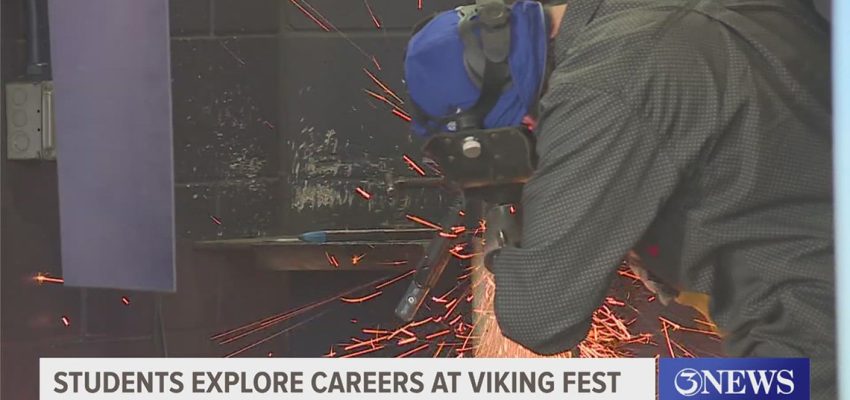
Events like the recent “Viking Fest,” where students had the unique opportunity to explore various professional avenues, exemplify a crucial trend in modern education. These initiatives move beyond theoretical classroom discussions, offering tangible, hands-on experiences that spark curiosity and demystify diverse industries. In a world where AI is rapidly redefining job roles, understanding the nuances of different sectors, from renewable energy to advanced robotics, from digital marketing to biotech research, is more vital than ever. This article will delve into why such early exposure is indispensable, how the landscape of work is evolving, and the strategies we can employ to equip students not just to find jobs, but to innovate and thrive in the future.
Career Exploration for Students: A Foundation for Future Success
The journey of self-discovery, particularly regarding one’s professional inclinations, can be daunting. For centuries, career guidance often consisted of a brief session with a school counselor or following in a family member’s footsteps. Today, however, the complexity of the global economy and the sheer breadth of available careers demand a more nuanced, proactive approach. Imagine a student attending an event like Viking Fest, perhaps encountering a civil engineer explaining bridge design, a cybersecurity expert demonstrating network protection, or even a local entrepreneur sharing the challenges and rewards of starting a business. These interactions are invaluable; they transform abstract ideas into concrete possibilities.
Early career exploration for students serves several critical purposes. Firstly, it fosters self-awareness. By engaging with different fields, students begin to understand their own aptitudes, interests, and values. Do they thrive in collaborative environments or prefer independent problem-solving? Are they drawn to creative expression or analytical rigor? This self-knowledge is foundational for making informed decisions about academic paths and future training.
Secondly, it broadens horizons. Many students, especially those from underserved communities, may only be aware of a limited range of professions visible in their immediate environment. Events that bring together professionals from diverse backgrounds—from healthcare workers to software developers, from skilled tradespeople to artists—can open up entirely new worlds of possibility. This exposure can be particularly transformative, igniting passions they never knew existed and challenging preconceived notions about certain industries. For instance, a student fascinated by video games might discover the intricate world of game development, encompassing coding, graphic design, storytelling, and project management, far beyond just playing the game.
Thirdly, early exploration helps reduce anxiety and improve academic motivation. When students see a tangible connection between their current studies and potential future careers, their engagement in subjects like mathematics, science, literature, or even history can significantly increase. Knowing *why* they are learning something—how it might apply in the real world—provides purpose and direction, turning abstract curriculum into a roadmap for their aspirations. This proactive engagement also helps to demystify the “real world” and reduces the stress associated with making significant life choices like college majors, which often feel overwhelming for young individuals.
Data consistently shows that students who engage in early and frequent career exploration are more likely to pursue higher education, persist in their chosen fields, and experience greater job satisfaction. They make more deliberate academic choices, leading to lower rates of changing majors and reducing the time and cost associated with higher education. Moreover, understanding various career pathways helps students develop critical thinking skills as they analyze different professional landscapes, evaluate their fit within them, and envision their own potential contributions.
The Evolving Landscape of Work: Preparing for an AI-Driven Future
The world of work is not static; it is a continuously evolving ecosystem, profoundly influenced by technological advancements. Today, the most significant disruptor is artificial intelligence. From automating routine tasks to augmenting human capabilities and creating entirely new industries, AI is reshaping what work means and the skills required to excel. This makes comprehensive career exploration for students even more critical, ensuring they are not just prepared for today’s jobs, but for the jobs of tomorrow that might not even exist yet.
The rise of AI means that jobs requiring repetitive, predictable tasks are increasingly susceptible to automation. This includes certain manufacturing roles, data entry, basic customer service, and even some analytical functions. However, AI also creates new opportunities. We’re seeing a burgeoning demand for AI ethicists, prompt engineers, data scientists, machine learning engineers, AI trainers, and professionals skilled in human-AI collaboration. Beyond these explicitly AI-focused roles, nearly every sector, from healthcare and finance to education and creative arts, will be transformed by AI tools and applications.
So, what skills will be paramount in this AI-driven future? While technical proficiency in areas like coding, data analysis, and AI literacy will undoubtedly be valuable, the uniquely human skills will become even more prized. These include:
- Critical Thinking and Problem-Solving: AI can process vast amounts of data, but humans are needed to define complex problems, interpret results, and make strategic decisions.
- Creativity and Innovation: AI can generate content, but true innovation, imaginative solutions, and artistic expression remain distinctly human domains.
- Emotional Intelligence: Empathy, collaboration, communication, and leadership skills are indispensable in any team-based environment, especially when managing human-AI interfaces.
- Adaptability and Resilience: The ability to learn new tools, pivot quickly, and embrace continuous upskilling will be a constant requirement.
- Interdisciplinary Thinking: Solving complex global challenges will require insights from technology, humanities, arts, and sciences.
Events that facilitate career exploration for students can be powerful platforms for highlighting these emerging skill sets. Imagine a student at Viking Fest encountering a robotics engineer who also emphasizes the importance of design thinking, or a nurse explaining how AI assists in diagnostics but human compassion is irreplaceable. These real-world insights help students connect their academic learning to the evolving demands of the job market, encouraging them to develop a well-rounded portfolio of both technical and soft skills.
Strategies for Effective Student Career Exploration in the Digital Age
Given the transformative nature of work, how can we best support career exploration for students? It requires a multi-faceted approach involving educators, parents, industry, and the students themselves. Here are some key strategies for making career exploration impactful in the digital age:
- Interactive Career Fairs and Festivals: Emulate the success of events like Viking Fest by making them highly interactive. Instead of just booths with brochures, feature hands-on workshops, live demonstrations, simulations (perhaps even using VR/AR), and opportunities for students to interview professionals. Inviting industry leaders to share their career journeys and future outlooks can be incredibly inspiring.
- Mentorship Programs: Connecting students with professionals in fields of interest provides invaluable personalized guidance. A mentor can offer insights into daily tasks, industry trends, educational pathways, and networking opportunities. These relationships often extend beyond mere career advice, becoming sources of encouragement and inspiration.
- Internships, Apprenticeships, and Shadowing: Even short-term experiences can be profoundly impactful. High school internships, summer job programs, or even a single day shadowing a professional can provide realistic insights into a chosen career, helping students confirm or redirect their interests.
- Project-Based Learning and Interdisciplinary Studies: Integrate real-world problems into the curriculum. Students working on projects that require research, collaboration, and presentation skills are implicitly exploring various career roles. For example, designing a sustainable city model involves urban planning, engineering, environmental science, and public policy, exposing students to a multitude of potential professions.
- Leveraging Digital Tools and Resources: The internet offers a wealth of resources. Online platforms provide virtual career tours, industry expert interviews, skill-building courses (MOOCs), and interactive career aptitude tests. Social media platforms can also be used responsibly for professional networking and following industry leaders. Encouraging students to build digital portfolios of their projects and achievements is another vital step in preparing them for the modern job market.
- Promoting Entrepreneurial Thinking: In an age of rapid change, the ability to identify problems and create solutions is paramount. Fostering an entrepreneurial mindset—encouraging students to develop ideas, take calculated risks, and learn from failure—prepares them not just for employment, but for creating their own opportunities. This could involve school-based mini-businesses, hackathons, or pitch competitions.
- Emphasizing Lifelong Learning: The concept of a single career choice is outdated. Students need to understand that learning is a continuous process. Schools can instill this by promoting intellectual curiosity, critical inquiry, and an eagerness to acquire new skills throughout life.
For parents, encouraging conversations about future aspirations, visiting workplaces, and supporting extra-curricular activities that align with potential interests are crucial. Educators, on the other hand, play a pivotal role in weaving career readiness into the curriculum, inviting guest speakers, and facilitating connections with the community and industry.
The goal is not to force students into a specific career path too early, but rather to provide them with the broadest possible canvas of options, allowing them to explore, experiment, and refine their understanding of where their talents and passions intersect with the needs of the world. This approach empowers them to be active architects of their future, rather than passive recipients of a predetermined destiny.
In conclusion, the urgency for robust career exploration for students has never been greater. As AI continues to reshape industries and redefine human potential, our educational systems must evolve to prepare the next generation not just with academic knowledge, but with the foresight, adaptability, and essential human skills required to thrive. Events that offer hands-on, immersive experiences, like the Viking Fest, are invaluable stepping stones on this journey, connecting classroom learning with real-world applications and inspiring future innovators.
It is our collective responsibility—as educators, parents, policymakers, and industry leaders—to create an environment where every student feels empowered to explore their interests, understand the dynamic landscape of work, and confidently chart a course toward a fulfilling and impactful career. By investing in comprehensive career exploration now, we are investing in a future where human ingenuity, creativity, and compassion continue to drive progress, even as technology like AI reaches new frontiers.










