
As an AI specialist, writer, and tech enthusiast, I’m constantly fascinated by the dynamic interplay between human potential and technological advancement. We stand at a pivotal moment, where artificial intelligence is not just reshaping industries but fundamentally redefining the very concept of a career. In this rapidly evolving landscape, ensuring equitable access to opportunities and fostering diverse talent is more critical than ever.
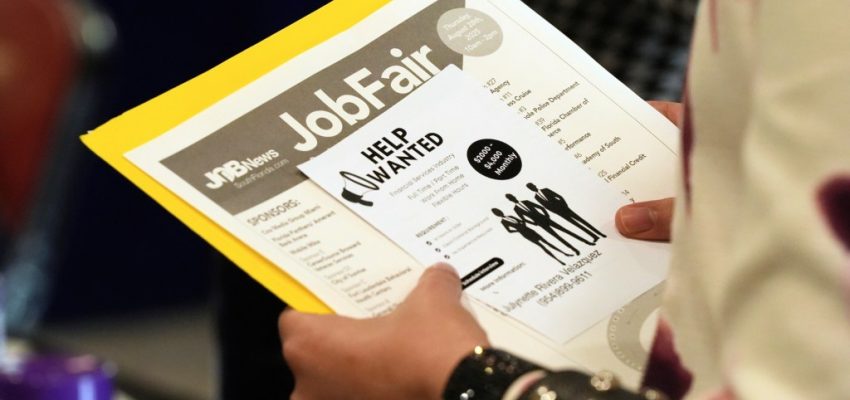
It’s within this context that I find events like the upcoming People of Color Career Fair in St. Paul particularly compelling. Scheduled for April 28 at the St. Paul RiverCentre, this free, open-to-the-public event, complete with complimentary rides and professional headshots, represents more than just a job fair. It symbolizes a crucial step towards inclusive growth and preparing *all* segments of our society for the opportunities and challenges that lie ahead. While the headlines often focus on the latest AI breakthroughs, the real story for many is how to navigate a job market increasingly influenced by these very technologies. Let’s delve into how such initiatives are not just beneficial, but essential, in building a robust and inclusive **future of work**.
Future of Work: Bridging Gaps and Fostering Innovation
The **future of work** is no longer a distant concept; it’s unfolding right before our eyes. Artificial intelligence, automation, and advanced data analytics are automating repetitive tasks, creating entirely new job categories, and demanding a different set of skills from the workforce. According to a 2023 report by the World Economic Forum, AI is projected to impact a significant portion of jobs globally, both creating and displacing roles. This transformation necessitates a proactive approach to career development, focusing on reskilling, upskilling, and cultivating adaptive mindsets. Traditional career paths are becoming fluid, requiring individuals to continuously learn and evolve.
However, this transformation isn’t uniformly experienced across all demographics. Historical disparities in access to education, technology, and professional networks can exacerbate the challenges for underrepresented communities. This is precisely why events like the People of Color Career Fair in St. Paul are so vital. By providing a direct pipeline to employers, offering practical support like free transportation and professional headshots, and creating a welcoming environment, these fairs actively dismantle barriers to entry. They serve as crucial meeting points where talent from diverse backgrounds can connect with opportunities that might otherwise be out of reach. It’s an investment not just in individual careers, but in the broader economic resilience and innovative capacity of our communities.
Furthermore, diverse perspectives are not merely a matter of social justice; they are a strategic imperative for innovation, especially in the tech sector. Studies consistently show that diverse teams – encompassing varied backgrounds, experiences, and thought processes – lead to more creative solutions, better problem-solving, and ultimately, superior business outcomes. In the realm of AI development, this is particularly critical. If the teams designing and deploying AI systems lack diversity, the systems themselves risk perpetuating and even amplifying existing societal biases. Therefore, cultivating an inclusive talent pipeline today is a prerequisite for building ethical, effective, and truly transformative AI solutions for tomorrow. Preparing for the evolving **future of work** means ensuring everyone has a seat at the table, contributing their unique insights to shape technology for the common good.
Cultivating Diverse Talent in the Age of AI
The rapid evolution of AI technology means that the skills in demand are shifting. While technical proficiency remains crucial, the emphasis is increasingly placed on uniquely human capabilities that AI cannot easily replicate. Critical thinking, creativity, complex problem-solving, emotional intelligence, and ethical reasoning are becoming paramount. These ‘soft skills,’ often overlooked in traditional technical training, are essential for navigating ambiguity, collaborating effectively, and ensuring AI is used responsibly. Events focused on career development for underrepresented groups play a vital role in highlighting these evolving demands and connecting individuals with resources to acquire these skills.
Consider the impact of a career fair that specifically targets people of color. By creating a dedicated space, it sends a clear message of inclusion and opportunity. It allows job seekers to connect with companies that are genuinely committed to diversity, equity, and inclusion, fostering a sense of belonging that is essential for long-term career success. Recruiters, in turn, gain access to a talent pool that might be underrepresented through traditional channels. This direct engagement helps to bridge the trust gap and build relationships that are foundational to diverse hiring.
Beyond direct hiring, such initiatives also contribute to a broader ecosystem of support. They can inspire individuals to pursue careers in technology and AI, areas where representation for people of color is historically lower. By seeing successful professionals who share their background, aspiring tech enthusiasts gain role models and mentors. This ripple effect extends to educational institutions and community programs, encouraging curriculum development that prepares students for the demands of the **future of work** and for roles in emerging fields like AI ethics, data science, machine learning operations, and AI project management. Building this robust talent pipeline requires sustained effort, from early education to professional development, ensuring that no talent is left untapped.
Beyond the Resume: AI Tools and Ethical Considerations in Hiring
Ironically, even as we discuss human-centric career development, AI is simultaneously transforming the very mechanisms of hiring. From AI-powered resume screening tools that can sift through thousands of applications in minutes to sophisticated interview bots that assess candidates’ responses, machine learning is increasingly integrated into talent acquisition. These tools promise efficiency, reduced human bias (at least in theory), and the ability to identify “hidden” talent by analyzing vast datasets beyond conventional criteria.
However, the introduction of AI into hiring also brings significant ethical considerations. Algorithmic bias is a serious concern. If an AI system is trained on historical hiring data that reflects existing biases (e.g., favoring male applicants for engineering roles, or overlooking candidates from certain educational backgrounds), the AI will learn and perpetuate those biases, potentially creating new barriers for diverse candidates. This is a critical area where responsible AI development and deployment are non-negotiable. Companies must ensure their AI hiring tools are regularly audited for fairness, transparency, and accountability, mitigating the risk of inadvertently excluding qualified candidates from diverse backgrounds.
The human element, championed by events like the St. Paul Career Fair, remains indispensable. While AI can streamline initial screening, it cannot replicate the nuance of human interaction, the serendipity of networking, or the intangible spark of connection that often defines a successful hire. Career fairs offer a crucial counterbalance to algorithm-driven processes, providing a platform for direct engagement, mentorship opportunities, and the chance for job seekers to articulate their stories and aspirations beyond what a resume can convey. They underscore the understanding that the **future of work** is not just about technology, but fundamentally about people, relationships, and human judgment. It’s about leveraging AI as a tool to enhance, not replace, our ability to connect, empathize, and build truly diverse teams.
In conclusion, the intersection of AI’s transformative power and the imperative for inclusive career development defines much of our contemporary professional landscape. Events like the People of Color Career Fair in St. Paul are more than mere logistical gatherings; they are vital arteries in the circulation of talent, opportunity, and progress. By consciously dismantling barriers, fostering direct connections, and promoting a diverse talent pool, we are not only addressing historical inequities but also strategically fortifying our collective capacity for innovation in the age of artificial intelligence. It’s about ensuring that the incredible advancements in AI serve as a rising tide that lifts all boats, not just a select few.
As we look ahead, the continuous commitment to inclusive initiatives will be paramount. The **future of work** is complex, demanding adaptability, new skills, and a steadfast dedication to ethical considerations in technology. It requires a collaborative effort from individuals, educational institutions, businesses, and community organizations to empower everyone to thrive. Ultimately, shaping a truly equitable and prosperous future means recognizing that the power of technology is maximized when it is developed by, and accessible to, the full spectrum of human experience. The journey towards this future begins with purposeful, inclusive steps today.