
The rhythmic hum of a diesel engine, the open road stretching into the horizon, and the critical mission of keeping America’s economy moving – these are the realities of a truck driving career. For many, it’s a calling; for others, a vital lifeline. In an era marked by complex global supply chain challenges and a persistent demand for skilled drivers, the Federal Motor Carrier Safety Administration (FMCSA) has launched a strategic campaign aimed at addressing a crucial gap while simultaneously empowering a highly deserving segment of our population: military veterans. This isn’t just about filling vacancies; it’s about recognizing inherent strengths, streamlining bureaucratic processes, and forging meaningful career paths for those who have dedicated their lives to service.
Our nation’s military service members develop an unparalleled array of skills during their tenure: discipline, precision, adaptability, problem-solving under pressure, and often, extensive experience operating heavy vehicles and complex machinery. Yet, the transition to civilian life can often be fraught with challenges, including finding employment that truly leverages their unique capabilities. The FMCSA’s latest initiatives, specifically extended waiver windows and expanded state participation in the Even Exchange Program, represent a targeted and highly effective approach to bridging this gap. By fast-tracking the commercial driver’s license (CDL) acquisition process for eligible veterans, these programs are not only offering quicker access to lucrative careers but also injecting a much-needed cohort of reliable, trained professionals into the vital arteries of our economy. As an AI specialist and tech enthusiast, I’m fascinated by solutions that optimize complex systems, and the FMCSA’s proactive stance in connecting a national need with a national talent pool is a prime example of intelligent strategic planning.
Veterans in Trucking: A Natural Transition for Skilled Service Members
The notion of **veterans in trucking** isn’t new; it’s a symbiotic relationship that has long benefited both parties. Veterans bring a unique blend of attributes that are perfectly suited for the demands of commercial driving. Think of the meticulous pre-operational checks required for military vehicles, the adherence to strict protocols, the ability to operate effectively in diverse and challenging environments, and the inherent sense of responsibility for equipment and cargo. These are not merely transferable skills; they are foundational pillars for success in the trucking industry.
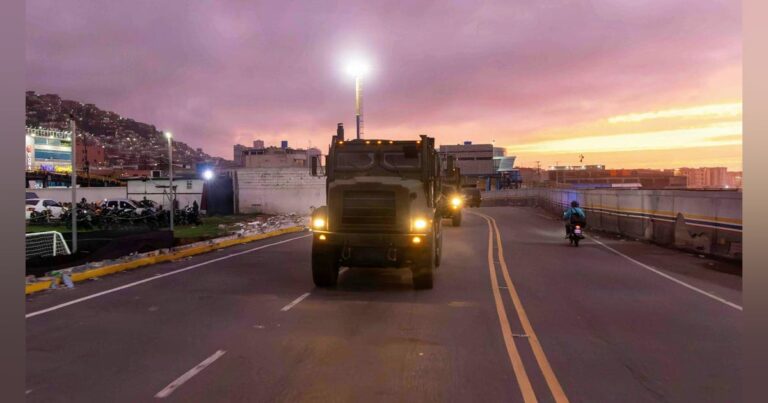
Historically, however, the process of converting military driving experience into a civilian CDL has sometimes been cumbersome, involving redundant testing that didn’t fully acknowledge prior training. The FMCSA’s campaign directly addresses this inefficiency. Military personnel often operate vehicles that, in their civilian equivalents, would require a CDL. From supply trucks traversing rugged terrain to specialized vehicles moving heavy equipment, service members gain hands-on expertise that civilian drivers often spend months or years acquiring. The discipline instilled by military training — punctuality, adherence to safety regulations, and the ability to follow detailed instructions — is precisely what modern trucking companies seek in their drivers. Moreover, the independent nature of long-haul driving often resonates with veterans who are accustomed to mission-oriented tasks and self-reliance, while the camaraderie found within the trucking community can offer a sense of belonging akin to military service. By actively working to smooth this transition, the FMCSA is not just offering jobs; it’s offering careers where veterans can thrive, leveraging their past experiences in a meaningful way while contributing significantly to the nation’s economic infrastructure.
Streamlining the CDL Process: The Even Exchange Program and Waivers
At the heart of the FMCSA’s initiative are two key mechanisms designed to accelerate CDL acquisition for military veterans: the Even Exchange Program and extended waiver windows for specific skill tests. These programs are built on the common-sense principle that proven military driving experience should directly translate into civilian licensure without unnecessary hurdles. The **Even Exchange Program**, formally known as the Military Skills Test Waiver Program, allows states to waive the CDL skills test for eligible military personnel and recently separated veterans. This is a game-changer, as the skills test, which includes a pre-trip inspection, basic vehicle control, and a road test, can be a significant time and cost barrier for many. To qualify, veterans must have at least two years of safe driving experience in a commercial motor vehicle or similar vehicle while in the military, and apply within one year of leaving a military position requiring the operation of such a vehicle.
This program is a testament to effective federal-state collaboration. All 50 states and the District of Columbia currently participate, ensuring widespread access to this expedited pathway. The beauty of the Even Exchange Program lies in its recognition of the rigorous training and safety standards inherent in military operations. By accepting this experience in lieu of a civilian road test, the program drastically cuts down the time and expense involved in obtaining a CDL, often reducing the process from weeks or months to just days. For a veteran transitioning to civilian life, this speed can be critical, offering immediate access to employment opportunities and financial stability.
Complementing the Even Exchange Program are the **extended waiver windows**. These waivers typically pertain to specific endorsements necessary for certain types of commercial driving, such as hazardous materials (HazMat) or passenger transport. The FMCSA has been proactive in extending the validity of these waivers, allowing veterans more time to complete the necessary paperwork and background checks without their initial qualification lapsing. For instance, a veteran who operated a large passenger bus in the military might be eligible for a waiver for the passenger endorsement portion of the CDL skills test. By extending these windows, the FMCSA provides crucial flexibility, acknowledging that the transition out of military service involves numerous administrative tasks and often a need for rapid employment. These efforts are part of a broader push to ensure that military skills are not just recognized, but celebrated and efficiently integrated into the civilian workforce, demonstrating a tangible commitment to supporting our service members beyond their active duty.
Beyond Licensing: Support Systems and Career Pathways
The FMCSA’s campaign extends beyond simply issuing a CDL; it recognizes that a successful career transition requires a supportive ecosystem. While fast-tracking licensure is crucial, sustained success for **veterans in trucking** also relies on robust training, mentorship, and opportunities for career progression. Many trucking companies have recognized the immense value veterans bring and have established dedicated veteran hiring programs, often offering specialized training, sign-on bonuses, and mentorship initiatives to help new drivers adapt to the civilian trucking environment. Organizations like ‘Trucks for Troops’ and ‘Operation: Road Warrior’ actively connect veterans with trucking opportunities and provide resources for navigating the industry landscape.
Furthermore, government programs such as the GI Bill can be utilized for CDL training programs, offering financial assistance for educational expenses and living stipends while veterans acquire their licenses. The Department of Veterans Affairs (VA) also plays a role in vocational rehabilitation and employment services, guiding veterans towards fulfilling careers, including those in transportation. These support systems are vital in ensuring that once a veteran has their CDL, they are well-equipped to not only secure a job but to thrive in it.
The trucking industry itself offers diverse career pathways. Beyond being a company driver, veterans can aspire to become owner-operators, managing their own businesses. They can specialize in niche areas like oversized loads, tanker operations, or refrigerated transport, which often command higher pay. Some transition into roles such as dispatchers, safety managers, or even fleet managers, leveraging their leadership and organizational skills in supervisory capacities. The sense of purpose that often drives military service members can be rekindled in the trucking industry, where every journey contributes to the intricate national supply chain, delivering essential goods and services. This journey from service to supply chain provides not just a job, but a pathway to a stable and rewarding career, fostering continued contribution to the nation’s well-being.
Conclusion
The FMCSA’s campaign to transition military veterans into truck driving careers is a prime example of intelligent policy making that yields multiple benefits. It’s a powerful acknowledgment of the invaluable skills and unwavering dedication of our service members, providing them with a streamlined path to civilian employment. By reducing bureaucratic hurdles through extended waiver windows and expanding the reach of the Even Exchange Program, the FMCSA is ensuring that the transition from military service to a vital role in our nation’s commerce is as efficient and supportive as possible. This initiative not only empowers veterans with immediate career opportunities but also injects a much-needed cohort of highly disciplined and skilled professionals into the trucking industry, thereby strengthening our national supply chain and bolstering economic resilience.
As we look to the future, the continued success of programs like these will depend on ongoing collaboration between federal agencies, state DMVs, trucking companies, and veteran support organizations. The foresight demonstrated by the FMCSA in leveraging military experience is a testament to the power of strategic thinking in addressing complex societal and economic challenges. By paving the road home for our veterans, we are not only honoring their service but also investing wisely in the strength and stability of our nation’s future.