
Choosing a career path is one of the most significant decisions an individual faces, a labyrinth of aspirations, aptitudes, and opportunities. For young minds still navigating their academic journeys, this choice can be particularly daunting, especially when contemplating a field as intricate, dynamic, and vital as healthcare. This complexity is amplified by the rapid technological advancements, notably in artificial intelligence, which are reshaping every facet of medicine as we know it.
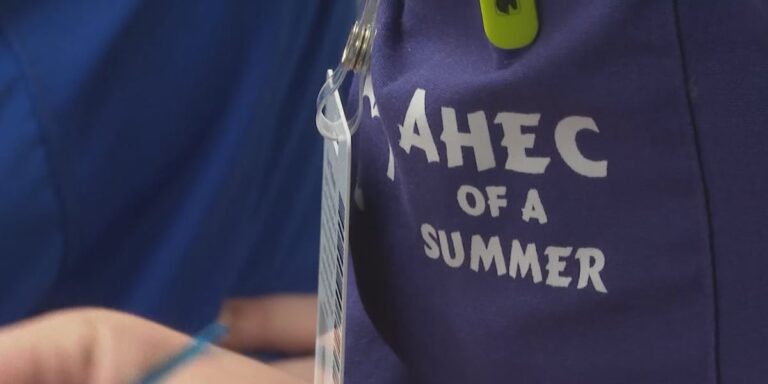
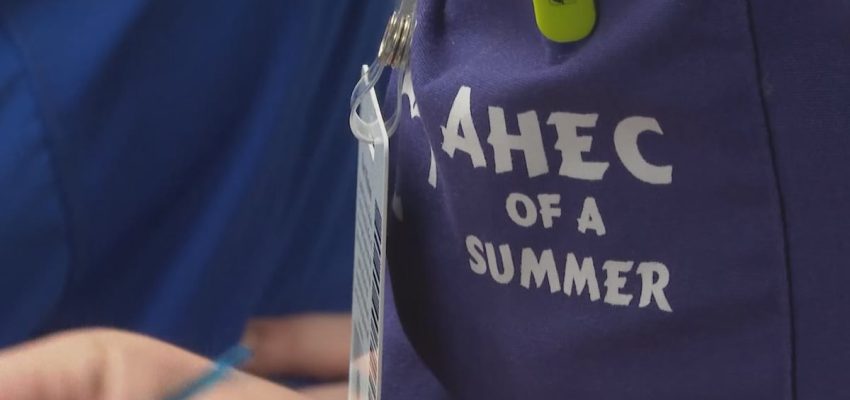
Imagine stepping into a bustling hospital not as a patient or a visitor, but as a future professional, gaining an unparalleled, behind-the-scenes perspective on the daily miracles and challenging realities that define modern healthcare. This isn’t a fantasy for a select few; it’s a tangible reality offered by forward-thinking initiatives like the free three-week program provided by Area Health Education Centers (AHEC). These immersive experiences are designed to offer high school students an invaluable head start, allowing them to explore the vast expanse of medical professions long before they ever set foot in a college lecture hall. From the perspective of an AI specialist and tech enthusiast like myself, André Lacerda, these programs are not just about showing students what healthcare *is*, but preparing them for what healthcare *will be* in an era increasingly defined by intelligent systems and interconnected technologies.
Healthcare Career Exploration: A Glimpse into Tomorrow’s Medicine
The Area Health Education Centers (AHEC) program, a national initiative established by Congress in 1971, plays a pivotal role in recruiting, training, and retaining a diverse healthcare workforce. Its core mission addresses critical healthcare workforce shortages, particularly in rural and underserved areas. This specific free three-week program exemplifies AHEC’s commitment to nurturing future talent by providing high school students with an intensive, hands-on look at healthcare careers. It’s an opportunity that extends far beyond the typical classroom curriculum, offering a granular view of the myriad roles that keep the healthcare system functioning.
Why is such early `healthcare career exploration` so crucial? For many high school students, their understanding of medical professions is often limited to the most visible roles: doctors and nurses. While these are undeniably vital, the reality of modern healthcare encompasses a vast ecosystem of specialists, technologists, therapists, administrators, researchers, and support staff, each playing a critical part in patient care and operational excellence. Without direct exposure, students might miss out on discovering a passion for roles they never knew existed, from medical imaging technicians utilizing advanced diagnostics to health information managers safeguarding patient data, or even biomedical engineers designing the next generation of life-saving devices.
The U.S. Bureau of Labor Statistics projects a robust growth of 13% for healthcare occupations from 2021 to 2031, translating to approximately 2 million new jobs. This significant demand underscores the imperative to attract and retain new talent. Programs like AHEC serve as a powerful catalyst in this regard, inspiring young minds and helping them make informed decisions about their academic and professional futures. By demystifying the healthcare environment, these programs reduce the uncertainty that often leads to costly major changes in college, ultimately contributing to a more focused and dedicated future workforce. It’s not merely about filling vacancies; it’s about cultivating a deep-seated passion and understanding for a field that demands both intellectual rigor and profound empathy.
Beyond the Classroom: The Unparalleled Value of Immersive Learning
The promise of “behind-the-scenes hospital access” in a free three-week program is not merely an enticing slogan; it represents an educational paradigm shift. Unlike theoretical learning, which can often feel abstract, immersive experiences provide a visceral understanding that resonates deeply. Students in these programs gain the privilege of shadowing various healthcare professionals across diverse departments. Imagine observing a registered nurse managing patient flow in the emergency room, witnessing a physical therapist guide a patient through rehabilitation, or even catching a glimpse of the meticulous work carried out by medical laboratory scientists analyzing samples that are crucial for accurate diagnoses.
This direct exposure fosters the development of a unique skill set. Students learn to observe critically, asking pertinent questions that arise from real-world scenarios rather than textbook problems. They witness firsthand the importance of clear communication among healthcare teams, the ethical considerations inherent in patient care, and the incredible emotional intelligence required to interact with individuals facing health challenges. They might participate in hands-on workshops, learning basic first aid, practicing simple medical procedures on simulation models, or understanding the intricate anatomy of the human body in a tangible way. Such activities build not only practical skills but also crucial soft skills like teamwork, problem-solving under pressure, and empathy—qualities that are indispensable in any healthcare role.
Furthermore, the mentorship opportunities inherent in such programs are invaluable. Connecting with experienced professionals provides students with role models, practical advice, and a deeper understanding of the day-to-day realities of various professions. These interactions can clarify misconceptions, reveal unexpected passions, and create a powerful network that can guide students throughout their academic and professional `healthcare career exploration` journeys. It’s a bridge between ambition and reality, allowing students to test their interests against the demands of the profession, reinforcing their commitment or gently guiding them toward a more suitable path. The confidence gained from navigating a real hospital environment, even as an observer, is a potent enabler for future success.
Preparing for an AI-Infused Future: Skills for the Next Generation of Healers
As an AI specialist, I look at initiatives like the AHEC program not just as a means of traditional `healthcare career exploration`, but as a crucial preparatory ground for a future inextricably linked with advanced technology. Healthcare is on the cusp of, and in many ways already experiencing, a profound transformation driven by artificial intelligence, machine learning, robotics, and advanced data analytics. These technologies are not merely supplementary tools; they are fundamentally reshaping diagnostics, personalized treatment plans, drug discovery, surgical precision, and even the administrative efficiency of medical institutions.
Consider the impact of AI in radiology, where algorithms can analyze medical images with unprecedented speed and accuracy, aiding in the early detection of diseases like cancer. Or think about personalized medicine, where AI sifts through vast genomic data to tailor treatments to an individual’s unique biological makeup. Robotic surgery offers enhanced precision, while predictive analytics helps hospitals optimize resource allocation and anticipate public health crises. Telemedicine, greatly accelerated by recent global events, relies heavily on digital platforms and AI-driven tools to extend care to remote populations.
For students engaging in this early `healthcare career exploration`, the experience equips them with more than just an understanding of current medical practices. It provides a foundational context within which future technological integration will occur. They witness the human element of care, the intricate decision-making processes, and the collaborative spirit that AI is designed to augment, not replace. This exposure fosters a balanced perspective, helping them understand *how* technology fits into the continuum of care, rather than seeing it as a separate entity.
Crucially, these future healthcare professionals will need a unique blend of skills. Digital literacy and comfort with technology will be paramount. They’ll need to interpret AI-generated insights, collaborate effectively with intelligent systems, and critically evaluate data to make informed clinical decisions. Ethical reasoning, especially concerning data privacy, algorithmic bias, and equitable access to AI-driven healthcare, will become central to their practice. Perhaps most importantly, the uniquely human skills—empathy, compassion, critical thinking, complex problem-posing, and emotional intelligence—will become even more valuable. AI can process data, but it cannot yet replicate the nuanced understanding and profound human connection that define true healing. Programs that allow students to deeply immerse themselves in the human aspect of healthcare lay the groundwork for a generation of professionals who can skillfully leverage technology while upholding the core tenets of human care.
The AHEC free three-week program offers more than just a glimpse into hospital life; it provides a vital launchpad for the next generation of healthcare professionals. By offering hands-on experience and real-world exposure, it not only clarifies career paths for impressionable young minds but also strengthens the pipeline of talent essential for a thriving and resilient healthcare system. These initiatives are not just about addressing present needs but are profoundly investing in the future, preparing students to navigate a world where technology and human compassion will intertwine more closely than ever before.
In a rapidly evolving landscape where artificial intelligence promises to redefine the boundaries of medicine, equipping students with early insights and practical experience is an act of prescience. It ensures that those who choose to dedicate their lives to healing are not only passionate and capable but also prepared for the technological shifts that will shape their careers. The journey of `healthcare career exploration` for these high school students is thus more than just choosing a profession; it’s about stepping into a critical role at the forefront of human well-being, ready to innovate, adapt, and care in an increasingly intelligent world.