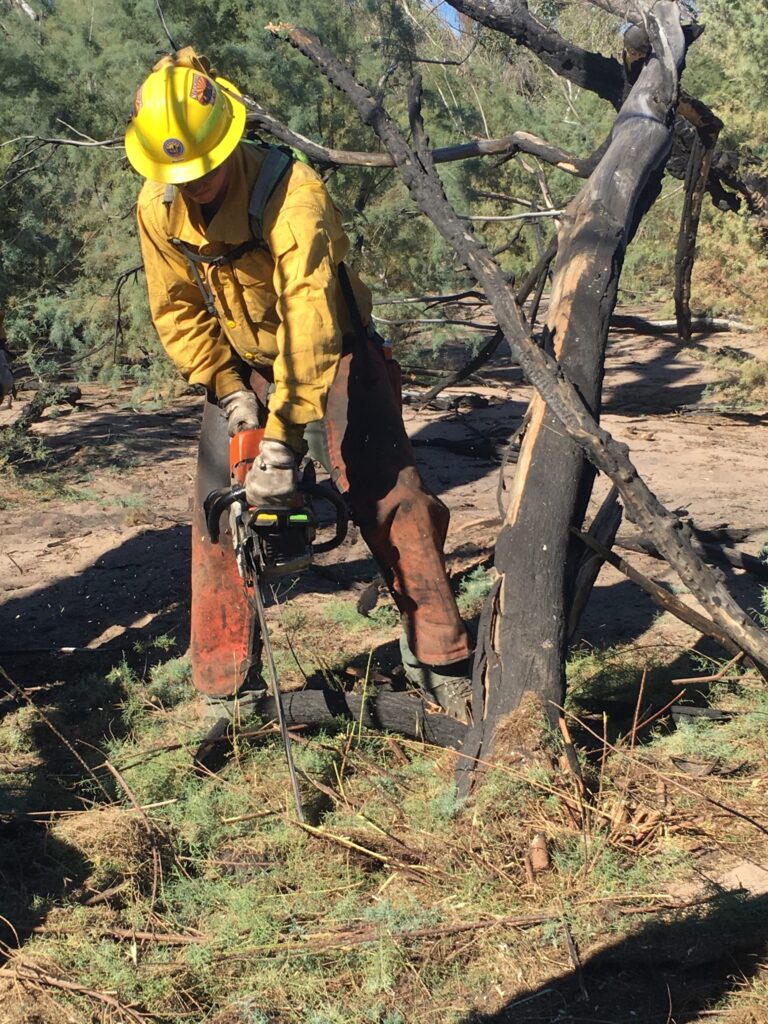
In an era defined by rapid technological advancement and pressing environmental challenges, the concept of building a sustainable future has never been more critical. From mitigating climate change to preserving biodiversity and ensuring resource efficiency, the demand for innovative solutions and skilled professionals is skyrocketing. This global imperative gives rise to a dynamic and expanding sector: green careers. These aren’t just niche roles; they are the bedrock of a resilient planet and a thriving economy, integrating cutting-edge science with practical application. As an AI specialist and a fervent advocate for technological advancement, I, André Lacerda, am particularly fascinated by the profound synergy between artificial intelligence and environmental stewardship. The upcoming 4th Annual Green Careers Expo, hosted by the Arkansas Forestry Association Education Foundation (AFAEF) and the Arkansas Environmental Education Association (AEEA) on October 29 at El Dorado’s Conference Center, offers a localized glimpse into this global movement, providing a crucial platform for students to explore a future where their passion for the environment can coalesce with meaningful professional paths. But beyond the traditional understanding of environmental jobs, how is AI not just supporting but fundamentally transforming these vital roles?
Green Careers: The Unfolding Horizon
At its core, a green careers path encompasses any profession that contributes to preserving or restoring environmental quality, protecting ecosystems, reducing waste, or designing more sustainable systems. This broad definition spans a vast array of fields, including renewable energy engineering, conservation science, sustainable agriculture, environmental policy analysis, waste management, ecological restoration, and even eco-tourism. These professions are vital for addressing the complex web of ecological issues we face, from climate change and pollution to resource depletion and biodiversity loss.
The global shift towards a greener economy is not merely aspirational; it is a pragmatic response to market demands, regulatory pressures, and a growing public consciousness. Reports from organizations like the International Labour Organization (ILO) suggest that the transition to a green economy could generate millions of new sustainable jobs worldwide. In the United States alone, sectors like solar and wind energy have consistently shown robust job growth, outpacing many traditional industries. This burgeoning market demands a new generation of professionals equipped not only with environmental knowledge but also with adaptable, interdisciplinary skills.
The 4th Annual Green Careers Expo in El Dorado, Arkansas, exemplifies the localized effort to foster this critical workforce. Organizations like the Arkansas Forestry Association Education Foundation and the Arkansas Environmental Education Association play a pivotal role in this endeavor. The AFAEF, for instance, focuses on promoting sustainable forest management and educating future generations about the importance of Arkansas’s forest resources—a key component of the state’s economy and ecology. Similarly, the AEEA works to advance environmental literacy, ensuring that citizens of all ages understand their relationship with the natural world. By bringing together professionals, educators, and students from El Dorado area schools, the Expo serves as a vital bridge, connecting academic learning with real-world opportunities in environmental professions. It highlights the diversity of green jobs available, from hands-on work in the field to advanced research and policy development, inspiring young minds to consider futures that positively impact the planet. It’s an opportunity for students to see firsthand how a commitment to sustainability can translate into a fulfilling and impactful career.
AI as a Catalyst for Sustainable Innovation and Employment
While the Expo showcases the breadth of traditional environmental roles, the true transformative power lies in the intersection of these fields with cutting-edge technology, particularly artificial intelligence. AI is no longer a futuristic concept; it is an active, evolving partner in our quest for sustainability, fundamentally reshaping how we approach environmental challenges and, consequently, the skills required for future green careers.
Consider **AI in Forestry and Conservation**. Traditional methods of monitoring vast forest landscapes or tracking wildlife populations are labor-intensive and often limited in scope. AI, however, revolutionizes these efforts. Machine learning algorithms can analyze satellite imagery and drone footage with unprecedented speed and accuracy, detecting early signs of deforestation, identifying illegal logging activities, or mapping changes in forest health due to disease or insect infestations. Predictive models powered by AI can forecast the spread of wildfires, allowing for proactive mitigation strategies that save lives and preserve ecosystems. In biodiversity monitoring, AI-driven computer vision and acoustic sensors can identify species from camera traps and audio recordings, providing crucial data for conservationists without direct human intervention. This automation and analytical power mean that conservation professionals can dedicate more time to strategic planning and on-the-ground action, moving away from tedious data collection towards impactful decision-making. The skills required in this domain are shifting from mere ecological understanding to an integrated blend of environmental science and data analytics, machine learning, and remote sensing.
The **Renewable Energy sector** is another prime example. AI algorithms are crucial for optimizing the performance of solar farms and wind turbines. They predict energy generation based on weather patterns, manage grid stability by balancing supply and demand, and even schedule maintenance for renewable energy infrastructure before failures occur, minimizing downtime and maximizing efficiency. Smart energy grids, powered by AI, can dynamically distribute electricity, reducing waste and ensuring reliable access to clean energy. For engineers and technicians in this field, proficiency in AI tools for data analysis, predictive modeling, and system optimization is becoming as essential as understanding electrical circuits or turbine mechanics.
Even in areas like **Waste Management and the Circular Economy**, AI is making significant inroads. AI-powered robots are being deployed in recycling facilities to sort materials with greater speed and accuracy, improving recycling rates and reducing contamination. Machine learning models can analyze consumer behavior and waste generation patterns to help municipalities optimize collection routes, predict landfill capacities, and design more effective waste reduction programs. Furthermore, AI can facilitate the transition to a circular economy by tracing materials through supply chains, identifying opportunities for reuse and repurposing, and optimizing reverse logistics. Professionals in these areas increasingly need to understand how to leverage AI to design more efficient and environmentally sound systems.
Cultivating the Next Generation of Eco-Innovators
The integration of AI into environmental fields underscores a critical point: the future of green careers will demand an increasingly interdisciplinary skill set. Students aspiring to work in sustainability will benefit immensely from combining their passion for the environment with competencies in data science, artificial intelligence, programming, and critical thinking. The roles of tomorrow won’t simply be ‘environmental scientists’ or ‘foresters’; they will be ‘AI-powered conservation analysts,’ ‘sustainable energy data engineers,’ or ‘ecological machine learning specialists.’
Expos like the one in El Dorado are therefore more important than ever. They are not just showcases of existing careers but windows into evolving professions. By exposing students from El Dorado area schools to the various facets of environmental work, and by implicitly (or explicitly, through engaging exhibitors) demonstrating the role of technology, these events ignite curiosity and provide direction. Imagine a student at the Expo learning about drone technology for forest health monitoring. This experience might spark an interest not just in forestry, but in robotics or data analytics, leading them down a path to become an innovator in sustainable technology.
Furthermore, AI itself can enhance environmental education. Interactive simulations and data visualization tools powered by AI can allow students to explore complex ecological models, understand the impact of climate change scenarios, or even design virtual sustainable cities. This hands-on, data-driven approach can make environmental science more engaging and accessible, preparing students for the analytical demands of future sustainable careers. It’s about empowering young minds with the tools and perspectives needed to not just fill existing green jobs, but to invent the next generation of solutions.
The Ethical and Sustainable AI Imperative
As we embrace AI’s potential in fostering green careers and environmental solutions, it is also crucial to acknowledge and address the environmental footprint of AI itself. The training of complex AI models, particularly large language models and deep learning algorithms, requires significant computational power, which translates into substantial energy consumption. Data centers, which house the servers that power AI, can be energy-intensive operations, often contributing to greenhouse gas emissions.
This awareness has given rise to the concept of “Green AI” or “Sustainable AI.” This imperative focuses on developing and deploying AI technologies in an environmentally responsible manner. It involves efforts to create more energy-efficient algorithms, optimize hardware for lower power consumption, and power data centers with renewable energy sources. Research is underway to design AI models that require less data and fewer computational cycles to achieve similar or better performance. This focus on sustainable AI development is creating its own set of green jobs, including AI ethicists, sustainable cloud architects, and energy-efficient algorithm developers. It underscores that true sustainability requires a holistic approach, where the tools we use to solve environmental problems are themselves designed with environmental impact in mind.
The ongoing dialogue about sustainable AI also highlights the need for transparency in AI development and deployment. Understanding the energy consumption and carbon footprint of AI models is essential for making informed decisions about their application. This critical self-assessment within the AI community ensures that our technological advancements are truly aligned with our broader environmental goals, fostering a responsible ecosystem of innovation.
The journey towards a sustainable future is multifaceted, demanding innovation, dedication, and a diverse range of skills. Green careers are at the forefront of this effort, providing the human capital necessary to tackle our planet’s most pressing challenges. From conservationists leveraging AI for biodiversity monitoring to engineers designing smart grids, the synergy between environmental stewardship and advanced technology is undeniable and profoundly exciting. Events like the 4th Annual Green Careers Expo in El Dorado are vital in nurturing this talent, offering local students a window into a world where their work can have a tangible, positive impact on the planet, inspiring them to become the next generation of eco-innovators and leaders.
As we look ahead, the integration of AI will not only create new types of green careers but also elevate the effectiveness and scope of existing ones. The key lies in interdisciplinary education and a continuous embrace of emerging technologies. For students in the El Dorado area and beyond, the path to a meaningful and impactful career in sustainability is rich with opportunities, especially for those willing to blend traditional environmental knowledge with cutting-edge digital literacy. Let us continue to support initiatives that bridge the gap between education and these critical sustainable pathways, ensuring that we cultivate a workforce capable of building a greener, more resilient world for generations to come. The future is not just green; it’s intelligently green.