
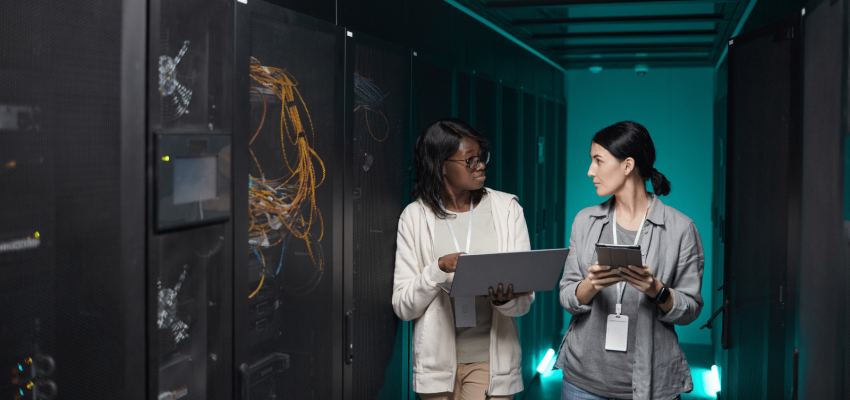

In an era defined by insatiable data consumption and the meteoric rise of artificial intelligence, the digital world is growing at an unprecedented rate. From streaming high-definition content to processing complex AI algorithms, every digital interaction, every line of code executed, every machine learning model trained, demands vast amounts of computational power. And this power, at its core, translates directly into an escalating demand for energy. As an AI specialist and tech enthusiast, I’m fascinated by the potential of AI to transform our world, but I’m equally aware of the immense environmental footprint our digital ambitions are creating. The pursuit of progress, therefore, must be intrinsically linked with sustainability.
Data centers, the silent behemoths that underpin our digital lives, are voracious energy consumers. They are the factories of the 21st century, and like any industrial complex, their energy needs are substantial and growing. Projections indicate that data centers could account for a significant percentage of global electricity consumption in the coming years, presenting a formidable challenge to our climate goals. How do we reconcile this exponential growth with our urgent need for decarbonization? The answer, increasingly, points towards innovative and robust clean energy solutions. Among these, one powerful contender stands out for its reliability, density, and zero-carbon emissions: nuclear energy. The conversation around nuclear energy for data centers isn’t just theoretical; it’s becoming a practical imperative, driving a fascinating convergence of technology, energy policy, and career opportunities.
Nuclear Energy for Data Centers: Powering the AI Revolution
The energy demands of our digital infrastructure are staggering. As of a few years ago, data centers already consumed roughly 1-2% of global electricity, a figure that is projected to climb dramatically, driven by the exponential growth of AI, machine learning, blockchain technologies, and the ever-expanding cloud. Training a single large language model (LLM), for instance, can consume as much energy as several homes over a year. The GPUs and specialized hardware required for AI inference and training generate significant heat, necessitating extensive cooling systems, which themselves add to the energy load. This relentless demand often strains existing grids, pushing them towards fossil fuel-based generation to meet peak loads, directly contributing to greenhouse gas emissions.
This is where nuclear energy presents a compelling, and perhaps inevitable, solution. Unlike intermittent renewable sources like solar and wind, nuclear power plants provide stable, 24/7 baseload electricity, regardless of weather conditions. They offer an unparalleled power density, meaning a relatively small footprint can generate immense amounts of carbon-free electricity. A typical large data center can require hundreds of megawatts of power, a scale that traditional renewable energy farms might struggle to provide consistently without significant energy storage solutions. Nuclear energy, by contrast, can deliver this consistent, high-volume power output directly to data center operations, ensuring uninterrupted service and optimal performance for critical AI computations and cloud services.
Furthermore, the inherent reliability of nuclear power is a critical advantage for data centers, where even momentary power fluctuations can lead to data loss, service interruptions, and significant financial repercussions. The ability to guarantee a constant, clean power supply allows data center operators to focus on their core mission of processing and storing information, rather than constantly worrying about energy procurement and grid stability. This synergy between the steady supply of nuclear energy for data centers and the unwavering demand of digital infrastructure creates a powerful argument for their integration.
Beyond Megawatts: The SMR Advantage for Sustainable Computing
While traditional large-scale nuclear power plants have long been a cornerstone of national grids, the real game-changer for data centers lies in the advent of Small Modular Reactors (SMRs). These advanced nuclear reactors, typically under 300 MWe, offer a host of benefits that make them particularly well-suited for industrial applications and localized power needs. Their modular design allows them to be manufactured in factories and then transported and assembled on-site, significantly reducing construction times and costs compared to their gigawatt-scale predecessors.
The smaller physical footprint of SMRs makes them more adaptable to various locations, including potentially co-located with data centers themselves. This proximity minimizes transmission losses and enhances energy independence, creating ‘mini-grids’ that are less vulnerable to widespread grid disruptions. Moreover, SMRs incorporate advanced safety features, often relying on passive safety systems that do not require active intervention or external power in an emergency, further enhancing their appeal and addressing public concerns about nuclear safety. These designs are a departure from older reactor technologies, incorporating decades of lessons learned into inherently safer, more resilient systems.
Several major tech companies are already exploring SMRs as a solution. Microsoft, for instance, has publicly stated its interest in using SMRs to power its data centers, recognizing the urgent need for reliable, carbon-free energy sources. Projects are emerging globally, proposing the direct integration of SMRs with energy-intensive industrial sites, including data centers. This paradigm shift towards decentralized, dedicated clean energy sources powered by SMRs marks a significant leap forward in making data centers truly sustainable and resilient. It’s not just about supplying power; it’s about building a future where our digital economy thrives without compromising the planet, and where nuclear energy for data centers becomes a standard for responsible growth.
A New Horizon of Careers: Skills for the Energy-AI Nexus
The convergence of nuclear energy and data center technology isn’t just an engineering marvel; it’s a catalyst for an entirely new ecosystem of professional opportunities. As this specialized infrastructure develops, it will necessitate a workforce with an unprecedented blend of skills across energy, IT, and environmental sectors. This isn’t merely about traditional nuclear engineering roles, though those will certainly be in demand, but about creating hybrid skill sets that can navigate the complexities of power generation, data management, and operational efficiency.
Consider the roles that will emerge: Nuclear operators with a deep understanding of IT infrastructure, capable of integrating reactor control systems with data center power management units. Cybersecurity specialists will be paramount, tasked with protecting both the nuclear facility’s operational technology (OT) and the data center’s information technology (IT) from sophisticated cyber threats – a critical national security concern. Environmental compliance experts will ensure these integrated facilities meet stringent regulatory standards, navigating complex permitting and waste management protocols.
On the AI side, the opportunities are equally vast. AI and machine learning engineers will be crucial for optimizing reactor performance, predicting maintenance needs, and managing the dynamic energy demands of the data center. Predictive analytics, powered by AI, can enhance the efficiency and safety of nuclear operations, while also fine-tuning cooling systems and power distribution within the data center itself. Furthermore, data scientists will analyze vast datasets generated by both the nuclear plant and the data center to identify efficiencies, reduce energy waste, and ensure optimal resource utilization.
Beyond these technical roles, there will be a growing need for project managers skilled in large-scale infrastructure development, supply chain specialists for critical nuclear components, and regulatory affairs professionals who can bridge the gap between innovation and policy. Educational institutions and vocational training programs will need to adapt, offering interdisciplinary curricula that prepare students for these unique challenges. The Columbia University SIPA’s Women in Energy initiative, for example, highlights the importance of fostering talent and diverse perspectives in this evolving energy landscape, emphasizing that the future of nuclear energy for data centers is as much about human capital as it is about technological advancement.
Forging a Sustainable Digital Future
The journey towards deeply integrating nuclear power with our digital infrastructure is not without its hurdles. Public perception, often shaped by historical events and misconceptions, remains a significant challenge. However, the advanced safety features of SMRs, coupled with transparent communication and robust regulatory oversight, are steadily working to rebuild trust. Initial capital investment, while substantial, must be weighed against the long-term benefits of stable, carbon-free power and reduced operational costs. Furthermore, establishing the necessary supply chains and regulatory frameworks for widespread SMR deployment will require sustained effort from governments, industry, and academia.
Yet, the imperative to find sustainable solutions for our increasingly energy-hungry digital world cannot be overstated. As a society, we are committed to leveraging AI for everything from medical breakthroughs to climate modeling. It would be a profound irony if the very tools designed to solve humanity’s greatest challenges inadvertently exacerbated another: climate change. The strategic adoption of nuclear energy for data centers is more than just an engineering choice; it’s a commitment to a sustainable future, a testament to human ingenuity, and a vital step in ensuring that our technological progress is truly responsible.
The path forward demands innovation, collaboration, and a willingness to embrace robust, proven technologies in new contexts. For professionals and aspiring talents, this emerging field represents a unique opportunity to contribute to a critical intersection of energy security, climate action, and digital advancement. As we look towards an increasingly AI-driven future, the foundation upon which that future is built – its energy source – will determine its ultimate resilience and sustainability. Nuclear energy, with its unparalleled reliability and zero-emission profile, offers a powerful vision for how we can continue to innovate, process data, and advance AI without compromising the health of our planet. It’s a challenge we must meet with foresight and courage, shaping a digital future that is as clean as it is intelligent.










