
In an era defined by rapid technological advancement and an ever-shifting economic landscape, the journey from secondary education to a fulfilling career path is more complex and diverse than ever before. While the traditional four-year university model remains a popular choice, a powerful and increasingly relevant alternative is gaining well-deserved recognition: Career and Technical Education (CTE). These programs, often nestled within high school curricula, are proving to be pivotal in equipping young individuals with the hands-on skills and foundational knowledge necessary to thrive in tomorrow’s workforce. A recent event at William Floyd High School (WFHS) serves as a compelling microcosm of this national trend, celebrating a significant milestone for 114 seniors as they formally committed to their chosen post-secondary pathways.
At a time when global industries are grappling with skill shortages and the imperative for adaptable talent, the WFHS `CTE Signing Day` wasn’t just a local ceremony; it was a testament to a broader educational paradigm shift. This annual event honors students who are poised to continue their CTE journey, whether through higher education, specialized technical training, or by making a direct entry into the workforce immediately after graduation. It symbolizes a commitment not just to a specific trade or profession, but to a philosophy of practical learning and a proactive approach to career development, an approach that is becoming indispensable in a world increasingly shaped by artificial intelligence and automation.
### Career and Technical Education: A New Benchmark for Post-Secondary Success
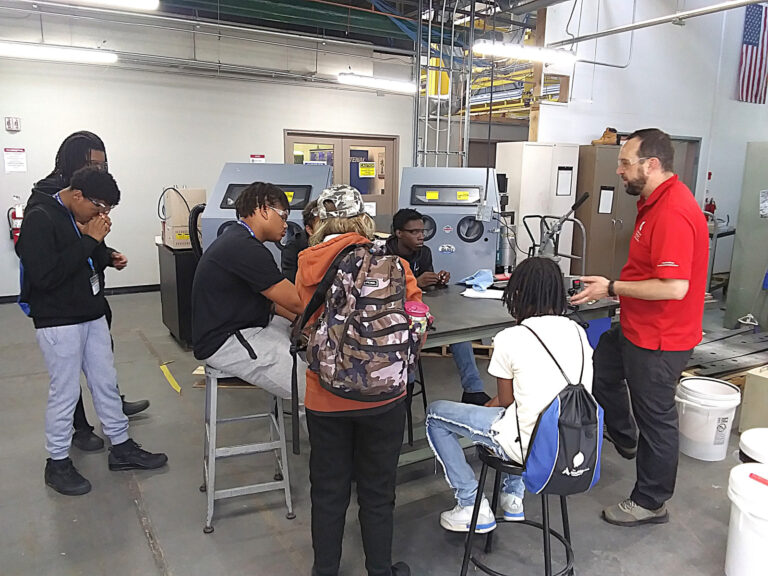
The notion that every student must pursue a four-year university degree immediately after high school has, for decades, cast a long shadow over other equally valid and often more direct routes to professional success. However, the tides are turning. Educational institutions and employers alike are recognizing the immense value of Career and Technical Education. CTE programs are designed to provide students with technical skills, academic knowledge, and employability traits necessary for success in current and emerging professions. From healthcare and information technology to advanced manufacturing and culinary arts, CTE pathways offer practical, project-based learning experiences that mirror real-world professional environments.
Historically, vocational training sometimes carried a less prestigious connotation compared to academic tracks. Yet, as the demands of the modern economy evolve, the perception of CTE is rapidly transforming. Today, these programs are seen as vital accelerators for economic growth, addressing critical skill gaps and fostering innovation. The National Center for Education Statistics indicates a steady increase in high school students participating in CTE programs, reflecting a growing appreciation for their efficacy. Furthermore, studies by organizations like the Association for Career and Technical Education (ACTE) consistently demonstrate that students who engage in rigorous CTE programs are more likely to graduate high school, pursue post-secondary education, and secure employment in their chosen fields with higher earning potential. This positive outlook is a clear indicator that events like the WFHS `CTE Signing Day` are not merely celebratory, but represent a strategic investment in human capital.
The 114 seniors honored at William Floyd High School’s ceremony represent a diverse array of ambitions. These students are not just choosing jobs; they are choosing careers that demand specialized skills, critical thinking, and a commitment to continuous learning. Their pathways might lead them to accredited trade schools to become certified electricians, HVAC technicians, or automotive repair specialists. Others may enroll in community colleges for associate degrees in nursing, cybersecurity, or paralegal studies. A significant portion may opt for direct entry into the workforce, leveraging certifications obtained in high school to secure entry-level positions with strong growth potential, perhaps in fields like welding, construction, or even emerging green technologies. Each of these decisions underscores a pragmatic understanding of the current job market, where expertise in a specialized field often translates into immediate employment and a clear trajectory for advancement.
### Navigating the Future Workforce with Practical Skills and Adaptability
The impact of artificial intelligence on the global workforce is undeniable and constantly accelerating. As an AI specialist and tech enthusiast, I often engage in discussions about the future of work and the skills that will remain indispensable. While AI excels at automating repetitive tasks, processing vast datasets, and even performing complex analytical operations, it fundamentally augments human capabilities rather than completely replacing them across the board. This is precisely where the strength of CTE programs lies.
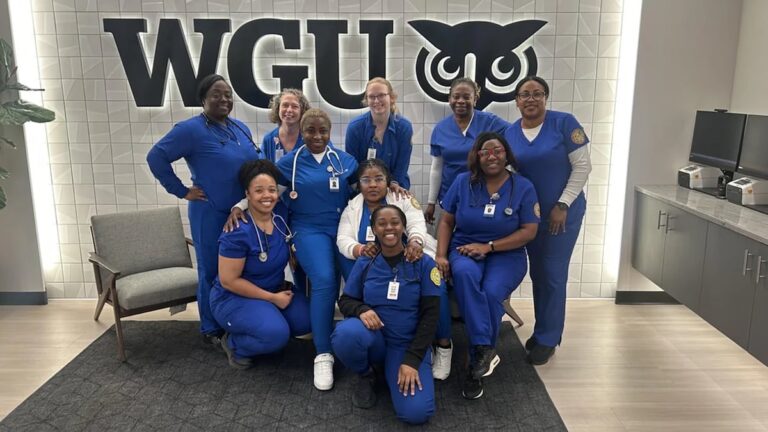
CTE equips individuals with ‘human-centric’ skills that are difficult for AI to replicate. These include hands-on dexterity required in skilled trades, the critical thinking necessary for troubleshooting intricate systems, problem-solving in dynamic environments, and the interpersonal communication crucial for client interaction and teamwork. Consider a CTE student training to be an automotive technician; while AI might assist in diagnostics, the nuanced skill of a human mechanic to physically repair complex engine systems or customize vehicles remains paramount. Similarly, in healthcare, while AI can analyze medical images, the compassionate care, critical judgment, and direct patient interaction provided by a trained nurse or medical assistant are irreplaceable.
Moreover, CTE programs are increasingly integrating technology, ensuring students are not just proficient in traditional methods but are also adept at utilizing advanced tools. For instance, modern manufacturing CTE pathways often include training in robotic operation, computer-aided design (CAD), and data analytics – all areas where human-AI collaboration is key. Students in IT-focused CTE tracks are learning about cybersecurity threats and cloud computing, preparing them to manage and protect the very digital infrastructure that powers AI systems. This forward-thinking approach ensures that `CTE Signing Day` celebrated individuals are not just ready for today’s jobs, but are also adaptable and equipped to evolve with tomorrow’s technological landscape.
The public recognition inherent in a `CTE Signing Day` event plays a crucial role beyond the individual student. It elevates the perception of these vital career paths, placing them on par with traditional academic pursuits. When students publicly commit to a trade school or direct workforce entry with the same fanfare as peers committing to a university, it sends a powerful message to families, educators, and the wider community: these are legitimate, respected, and prosperous pathways. This cultural shift is vital for attracting talent to essential industries that often struggle with recruitment, ensuring a robust and diversified economy. It also fosters a sense of pride and accomplishment among students who might otherwise feel marginalized in a system that sometimes overemphasizes a singular path to success.
### The Economic Imperative and Future Resilience
The economic rationale for strengthening CTE programs is compelling. Industries across the spectrum report persistent challenges in finding skilled labor. According to a 2023 report by ManpowerGroup, skilled trades remain one of the hardest positions to fill globally, a trend that has held steady for years. This persistent talent gap highlights the urgent need for more individuals trained in vocational and technical fields. CTE graduates fill these critical roles, contributing directly to local and national economic resilience. They build our infrastructure, maintain our technology, care for our communities, and drive innovation from the ground up.
Furthermore, the current economic climate, marked by inflation and rising costs of living, makes the prospect of direct workforce entry or shorter, more affordable technical training programs particularly appealing. Students can enter the job market with minimal debt, gaining valuable experience and earning potential much faster than many of their university-bound peers. This financial advantage can be life-changing, providing a stable foundation for young adults to build their futures, purchase homes, and contribute to their communities. Events like the WFHS `CTE Signing Day` are not just about individual career choices; they are about strengthening the fabric of our society by preparing a skilled, adaptable, and economically empowered workforce.
The future of work will undoubtedly demand a hybrid skill set: foundational literacy and numeracy, critical thinking, problem-solving, digital fluency, and specialized technical expertise. CTE programs, especially those that are forward-thinking and responsive to industry needs, are ideally positioned to deliver this. As AI continues to transform how we work, the human capacity for innovation, hands-on application, and complex decision-making in real-world scenarios will only become more valuable. The students celebrated at WFHS are embarking on paths that are not only personally rewarding but also critically important for societal progress and technological integration.
In conclusion, the `CTE Signing Day` ceremony at William Floyd High School transcends the typical high school event; it serves as a powerful affirmation of the vital role Career and Technical Education plays in shaping the future workforce. It recognizes the diverse talents and ambitions of students, validating pathways that lead to immediate employment, advanced technical training, or further specialized education. In a world increasingly influenced by artificial intelligence and automation, the foundational skills, adaptability, and practical expertise fostered by CTE programs are not just desirable – they are indispensable. These students are not merely choosing careers; they are choosing to become essential contributors to an evolving economy, embodying the resilience and innovation that will drive progress in the decades to come.
As we look ahead, the continued investment in and celebration of CTE programs will be crucial for nurturing a skilled workforce capable of navigating the complexities of the 21st century. The success stories emerging from high schools like William Floyd demonstrate that equipping young people with practical skills, fostering adaptability, and recognizing diverse pathways to success are paramount to building a robust, inclusive, and future-ready society. André Lacerda, AI Specialist, Writer, & Tech Enthusiast.