
In an era defined by rapid technological advancement, the landscape of nearly every industry is undergoing a profound transformation. From artificial intelligence and robotics to data science and sustainable practices, the forces of innovation are reshaping how we work, live, and create. Among the sectors experiencing one of the most significant renaissances is manufacturing—an industry often burdened by outdated stereotypes, yet now standing at the forefront of the Fourth Industrial Revolution.
For many, the word ‘manufacturing’ still conjures images of dark, noisy factories with monotonous assembly lines. However, this perception couldn’t be further from the truth of today’s high-tech, digitally integrated production environments. Modern manufacturing facilities are vibrant hubs of innovation, demanding a new generation of skilled professionals equipped with diverse talents, from coding and engineering to design and project management. It’s a field brimming with opportunity, creativity, and the chance to build the future, quite literally.
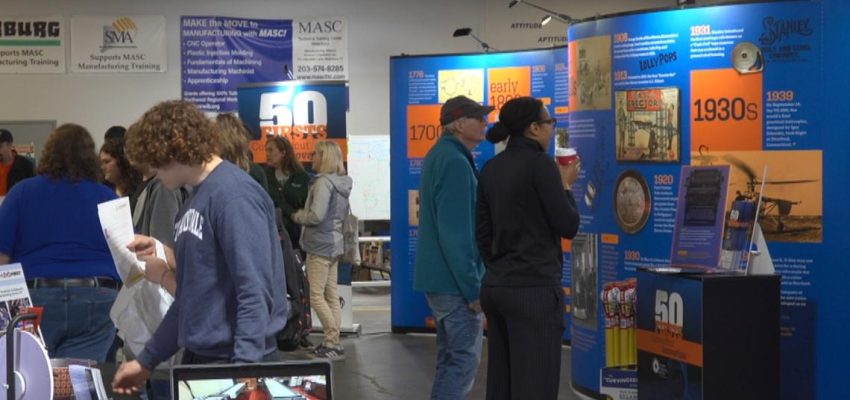
The recent manufacturing career show for students in Waterbury, Connecticut, serves as a powerful testament to this ongoing evolution. Such events are crucial for bridging the knowledge gap, dispelling myths, and directly connecting young minds with the dynamic possibilities that await them in this rapidly advancing sector. As an AI specialist and tech enthusiast, I believe it’s imperative to highlight why **modern manufacturing careers** are not just viable but incredibly exciting paths for students today.
Modern Manufacturing Careers: A Gateway to Innovation and Technology
The perception of manufacturing has largely failed to keep pace with its reality. What was once characterized by manual labor and repetitive tasks has been redefined by automation, advanced robotics, artificial intelligence, and sophisticated data analytics. This shift, often referred to as Industry 4.0, has created an urgent demand for a workforce that is not only tech-savvy but also adaptable, critical-thinking, and creative. Gone are the days when a manufacturing job meant merely tightening bolts; today, it involves programming collaborative robots (cobots), designing products with advanced simulation software, managing complex supply chains through AI-driven platforms, and ensuring cybersecurity for interconnected factory systems.
Take, for instance, the field of robotics. **Modern manufacturing careers** often include roles for robotics engineers who design, build, program, and maintain the automated systems that enhance efficiency and safety on the factory floor. These are not just mechanical roles; they integrate electrical engineering, computer science, and even human-robot interaction design. Similarly, the rise of big data in manufacturing has created a need for data scientists and analysts who can extract insights from vast amounts of operational data to optimize production processes, predict equipment failures, and improve product quality. This data-driven approach is transforming how decisions are made, moving from intuition to precise, informed strategies.
Furthermore, the integration of AI is not just about automation; it’s about intelligence. AI-powered quality control systems can inspect products with greater accuracy and speed than human eyes, identifying flaws that might otherwise go unnoticed. Predictive maintenance systems, fueled by machine learning, can forecast when machinery will need servicing, drastically reducing downtime and increasing productivity. These advancements require professionals who understand both the manufacturing process and the underlying algorithms and data structures—a truly interdisciplinary skill set.
Beyond the digital realm, materials science is also undergoing a revolution. The development of advanced composites, smart materials, and nanotechnology is leading to lighter, stronger, and more functional products. Manufacturing professionals in these areas work on everything from aerospace components and medical devices to consumer electronics, pushing the boundaries of what’s physically possible. The environmental imperative has also driven innovation, with sustainable manufacturing practices—such as circular economy principles, waste reduction technologies, and energy-efficient processes—becoming paramount. This opens up roles for environmental engineers, sustainability specialists, and green technologists within the manufacturing sector.
Beyond the Assembly Line: Diverse Pathways in a Digital Age
One of the most compelling aspects of **modern manufacturing careers** is their incredible diversity. The industry no longer offers a linear career path but a vast ecosystem of specialized roles that cater to a wide range of interests and skill sets. Students considering their future might be surprised to find opportunities that align with their passions for technology, design, problem-solving, or even creative arts.
For those interested in the ‘nuts and bolts’ of how things work, roles like advanced CNC machinists, industrial maintenance technicians, and mechatronics specialists are in high demand. These positions require a keen understanding of precision machinery, hydraulics, pneumatics, and electrical systems, often learned through vocational schools, technical colleges, or apprenticeship programs. These hands-on roles are critical for keeping complex production lines running smoothly and efficiently.
However, the scope extends far beyond the shop floor. Supply chain management, for instance, has become incredibly sophisticated, requiring professionals who can navigate global networks, optimize logistics, and leverage data to ensure timely and cost-effective delivery of materials and products. These roles often involve advanced software skills, strong analytical capabilities, and excellent communication.
Product design and engineering remain central to manufacturing innovation. Industrial designers, mechanical engineers, and electrical engineers use CAD (Computer-Aided Design) and CAM (Computer-Aided Manufacturing) software, simulation tools, and 3D printing technologies to bring new ideas from concept to reality. The rise of digital fabrication, including additive manufacturing (3D printing), means that designers can iterate rapidly and create highly complex geometries previously impossible to produce. This fusion of design and digital technology offers exciting prospects for creative and analytical minds alike.
Furthermore, with the increasing connectivity of factory systems, cybersecurity in manufacturing has emerged as a critical field. Protecting intellectual property, operational data, and preventing system breaches is paramount. This creates opportunities for IT and cybersecurity specialists who can develop and implement robust defense strategies for industrial control systems. Essentially, the modern factory is a giant computer network, and it needs the same level of digital protection as any other critical infrastructure.
Educational pathways to these careers are equally diverse. While a four-year university degree is vital for roles in R&D, advanced engineering, and data science, many highly rewarding and well-paying **modern manufacturing careers** can be accessed through two-year associate degrees, certification programs, and apprenticeships. These vocational routes provide invaluable hands-on training and often lead directly to employment with competitive salaries and opportunities for continuous learning and advancement. Apprenticeships, in particular, offer a ‘learn-while-you-earn’ model, providing practical experience and mentorship from seasoned professionals, which can be an incredibly effective launchpad for a successful career.
Connecticut’s Industrial Legacy Meets the Future: Inspiring the Next Generation
Connecticut has a rich and storied history in manufacturing, particularly in sectors like aerospace, defense, and precision instrumentation. Cities like Waterbury, historically centers of brass and metalworking, understand the deep roots and profound impact of industry on local economies and communities. This legacy provides a fertile ground for the evolution of **modern manufacturing careers** in the state.
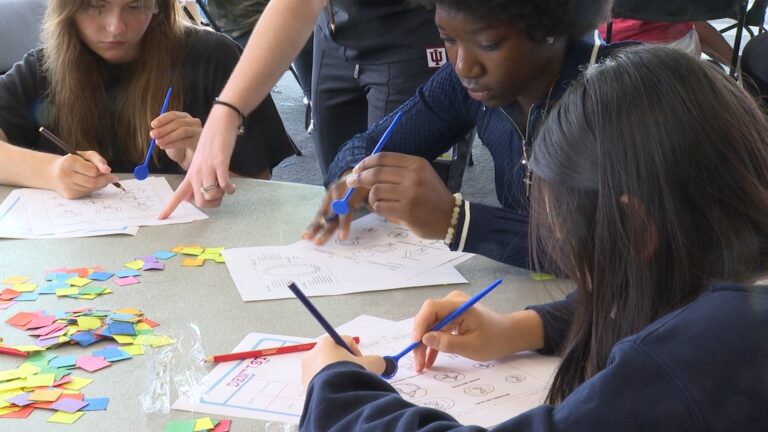
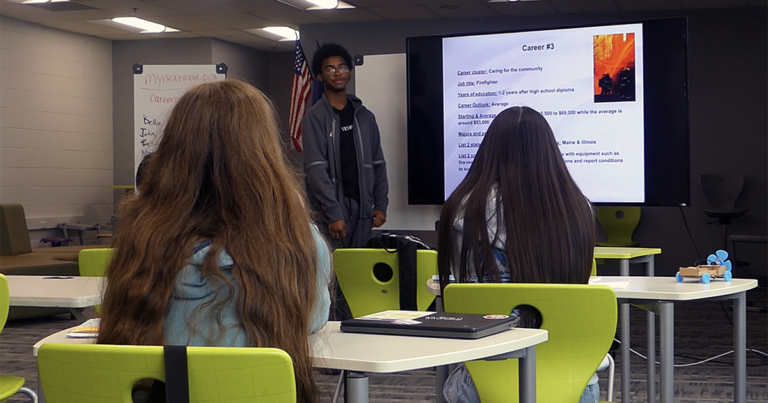
The career show in Waterbury is an excellent example of how communities are proactively engaging with the next generation. By bringing local manufacturers, educational institutions, and students together, these events demystify the industry and showcase the incredible opportunities available right in their backyard. Students get to interact with cutting-edge technology, hear directly from professionals working in the field, and understand the real-world applications of their STEM studies.
Connecticut’s manufacturing sector contributes significantly to the state’s economy, supporting tens of thousands of jobs and driving innovation. Companies in the state are at the forefront of developing advanced turbine engines, submarines, medical devices, and specialized components. These are high-value, high-tech industries that demand a continuous influx of skilled talent. The median salary for manufacturing workers often exceeds the national average, making these careers not only intellectually stimulating but also economically rewarding.
Moreover, the stability offered by **modern manufacturing careers** is a significant draw. While some industries are subject to boom-and-bust cycles, the fundamental need to produce goods and technologies remains constant. As the world becomes more interconnected and reliant on complex products, the demand for skilled manufacturing professionals will only grow. These are careers that build, innovate, and contribute directly to societal progress, from creating life-saving medical equipment to developing sustainable energy solutions.
Engaging students early, as the Waterbury event aimed to do, is paramount. It allows them to envision themselves in roles they might never have considered, breaking down preconceived notions and opening doors to fields that are vital for economic growth and technological advancement. It also highlights the importance of strong partnerships between industry, academia, and government to ensure that the educational system is producing graduates with the skills that employers genuinely need.
Conclusion
The manufacturing sector has undergone a profound transformation, evolving from a traditional industrial landscape into a dynamic, high-tech frontier driven by innovation and digital intelligence. The stereotypes of the past simply do not reflect the reality of **modern manufacturing careers**, which now encompass a vast array of sophisticated roles in robotics, AI, data science, advanced materials, and sustainable production. For students standing at the precipice of their career choices, this industry offers not just jobs, but fulfilling pathways to contribute to real-world solutions, shape the future of technology, and build a stable, prosperous career.
Events like the manufacturing career show in Waterbury are instrumental in showcasing this vibrant future. They serve as crucial touchpoints, allowing the next generation to witness firsthand the excitement, complexity, and sheer potential of an industry that is foundational to global progress. As we continue to navigate an increasingly complex and technologically driven world, fostering talent in modern manufacturing will be key to innovation, economic stability, and our collective ability to create the products and solutions that define tomorrow.