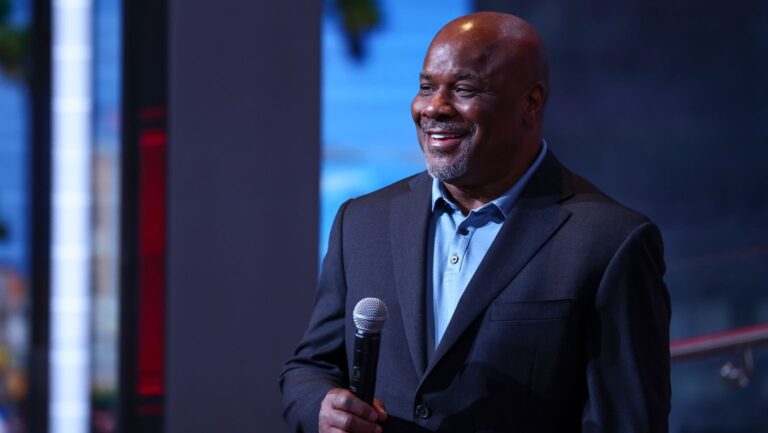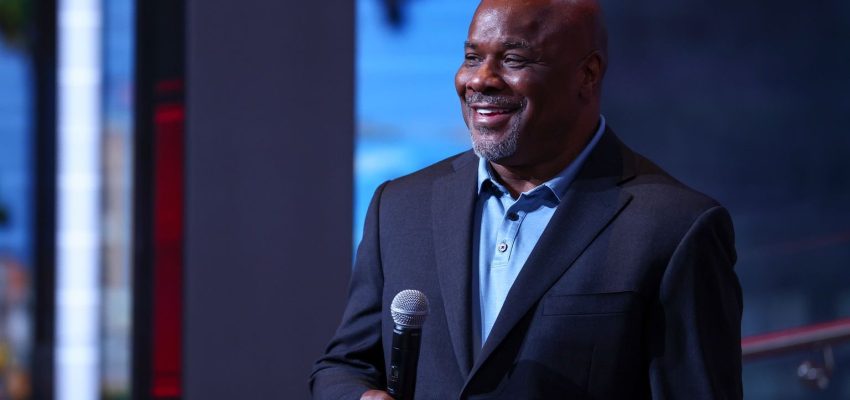

In the fast-paced, ever-evolving world of sports broadcasting, true leaders are those who not only navigate the currents of change but actively shape the future of the industry. David Roberts, a name synonymous with excellence at ESPN, recently announced his retirement, drawing a curtain on a distinguished career that left an indelible mark on the landscape of sports media. His tenure was not merely a collection of years but a masterclass in strategic vision, a relentless pursuit of journalistic integrity, and an unwavering commitment to fostering talent and inclusion. As we reflect on his contributions, it becomes clear that Roberts’ impact extends far beyond the production booth or the executive boardroom; he helped define what modern **Sports Media Leadership** truly entails, building a legacy forged on results and, perhaps even more importantly, profound respect.
Roberts’ career at ESPN was characterized by a meticulous dedication to elevating the network’s profile through its people and its principles. He was instrumental in identifying, nurturing, and propelling some of the biggest names in sports broadcasting to national prominence, understanding that the strength of a network lies in the compelling voices and authentic personalities it presents. Simultaneously, he championed the highest standards of journalism, recognizing that even in the entertainment-driven world of sports, truth, accuracy, and depth of reporting are paramount. Beyond the on-screen talent and editorial rigor, Roberts was a fervent advocate for diversity and inclusion, working tirelessly behind the scenes to ensure that ESPN’s workforce truly reflected the diverse audience it served. This holistic approach to leadership fostered an environment where creativity flourished, integrity was upheld, and a more equitable industry was actively pursued.
Sports Media Leadership: Cultivating Talent and Vision
One of the most profound aspects of David Roberts’ legacy is his extraordinary ability to spot and cultivate talent. In the competitive arena of sports broadcasting, where a single charismatic personality can draw millions of viewers, the executive who can consistently identify and develop these stars is invaluable. Roberts was a master architect of this process, overseeing the careers of numerous individuals who became household names. He understood that elevating a personality wasn’t just about giving them airtime; it was about providing mentorship, crafting opportunities for growth, and empowering them to find their authentic voice. This often involved delicate balancing acts – recognizing raw potential, guiding its refinement, and then strategically positioning talent within the vast ESPN ecosystem to maximize their impact.
Consider the expansive nature of ESPN: a global powerhouse with multiple linear channels, a dominant streaming platform, radio networks, and digital content hubs. Navigating such a complex media landscape requires a leader with a clear vision for talent deployment. Roberts excelled at this, understanding how different personalities could resonate with various segments of the audience across diverse platforms. He didn’t just hire; he invested in careers, building relationships based on mutual respect and a shared commitment to excellence. This philosophy extended beyond on-air personalities to producers, directors, writers, and technical staff, recognizing that the entire ecosystem contributes to the final product. His focus on creating pathways for advancement and fostering a supportive, challenging environment allowed many to reach their full potential, contributing to ESPN’s long-standing dominance in sports coverage. This strategic cultivation of human capital is a hallmark of truly effective **Sports Media Leadership**.
The impact of a strong talent pipeline cannot be overstated in an industry constantly vying for attention. Roberts’ ability to consistently refresh and invigorate ESPN’s roster of commentators and analysts ensured that the network remained dynamic and relevant, even as audience tastes and technological platforms shifted. He wasn’t afraid to take chances on new faces or to give established voices new opportunities, always with an eye toward enhancing the viewer experience. This proactive approach to talent management is a key differentiator, demonstrating a forward-thinking mindset essential for sustaining leadership in any media sector.
Upholding Journalistic Integrity in a Dynamic Landscape
Beyond the glitz of on-screen personalities, David Roberts was a staunch defender of journalistic principles. In an era increasingly defined by hot takes, viral soundbites, and the blurring lines between news and opinion, Roberts consistently championed improved journalism standards behind the scenes. This meant an unwavering commitment to accuracy, depth, and ethical reporting, even when faced with the pressures of breaking news cycles and the demand for instant analysis. He understood that while sports evoke passion and debate, the foundation of any reputable media organization must be solid, fact-based journalism.
Roberts’ emphasis on journalistic excellence extended to nurturing investigative reporting and compelling storytelling that went beyond game recaps. Programs like “Outside the Lines” and documentary series, which delve into the social, cultural, and often challenging aspects of sports, likely thrived under such leadership. This commitment ensures that ESPN is not just a source for scores and highlights but also a platform for critical discourse and in-depth analysis. In a world saturated with information, the trust that audiences place in a media outlet is paramount, and Roberts understood that this trust is earned through consistent adherence to journalistic ethics.
Maintaining high journalistic standards is a continuous challenge, requiring vigilance and courage. It means investing in resources for research, fact-checking, and training, and empowering journalists to pursue complex stories without fear or favor. Roberts’ legacy suggests a leader who understood these necessities implicitly, fostering a culture where quality reporting was not just encouraged but expected. This dedication to the craft of journalism underpins the credibility of an organization, distinguishing it from the noise and cementing its authority in the field. Such dedication is a cornerstone of responsible **Sports Media Leadership**.
In a digital age where misinformation can spread rapidly, the role of a media executive in safeguarding journalistic integrity becomes even more critical. Roberts’ approach would have emphasized rigorous editorial processes, promoting a culture of questioning, verification, and thoughtful analysis. This commitment to truth and accuracy is not merely an ethical imperative; it is a strategic advantage, building a resilient brand reputation that stands the test of time and volatile media cycles.
Championing Inclusion and Diversity Behind the Scenes
Perhaps one of the most forward-thinking and crucial aspects of David Roberts’ career was his relentless push for greater inclusion and diversity within ESPN’s operations. He recognized that true excellence in media is not solely about what appears on screen but about the diverse perspectives, experiences, and voices that contribute to content creation behind the scenes. This commitment was not merely about meeting quotas; it was about enriching the creative process, fostering a more equitable workplace, and ultimately producing content that resonated with a broader, more diverse audience.
Inclusion in media extends to hiring practices, promotion opportunities, representation in leadership roles, and creating an organizational culture where every individual feels valued and empowered to contribute. Roberts’ efforts likely focused on dismantling barriers, creating mentorship programs, and actively seeking out talent from underrepresented groups. The sports world, like many industries, has historically struggled with diversity, and an executive like Roberts who champions these initiatives becomes a powerful agent for change.
The benefits of a diverse and inclusive workforce are well-documented: increased innovation, better problem-solving, improved employee morale, and a more authentic connection with the audience. By fostering an environment where different viewpoints are welcomed and celebrated, ESPN under Roberts’ influence would have been better equipped to tell richer, more nuanced stories that reflect the diverse tapestry of sports fans globally. This is not just a moral imperative but a strategic business advantage in today’s globalized and interconnected world.
Roberts’ advocacy for inclusion behind the scenes sends a powerful message throughout the industry: that genuine progress requires intentional effort and sustained commitment from the top. His work would have laid critical groundwork for a more equitable future in sports media, creating pathways for diverse talent to not only enter the field but to thrive and rise to positions of influence. Such a comprehensive approach to diversity and inclusion is a hallmark of progressive **Sports Media Leadership**, shaping not just a company but an entire industry for the better.
The Roberts’ Effect: A Legacy of Strategic Impact
David Roberts’ career at ESPN is a testament to the power of strategic, principled leadership. His ability to balance the commercial demands of a global media enterprise with an unwavering commitment to journalistic integrity and social responsibility is a model for executives across industries. He understood that a truly successful organization thrives when its people are empowered, its standards are high, and its values are clear. The synergy created by his focus on talent elevation, journalistic excellence, and behind-the-scenes inclusion resulted in a stronger, more resilient ESPN, capable of adapting to the rapid technological shifts and evolving audience expectations of the 21st century.
His leadership style, characterized by respect and a deep understanding of the craft, likely inspired countless colleagues and protégés. In an industry where competition is fierce and the spotlight can be intense, a leader who prioritizes both results and respect leaves an indelible mark, not just on the balance sheet but on the human spirit of the organization. Roberts’ influence helped shape the narratives, the faces, and the very conscience of sports broadcasting, setting a high bar for what effective **Sports Media Leadership** should aspire to be.
David Roberts’ retirement marks the end of an era for ESPN, but his legacy will undoubtedly continue to resonate through the corridors of sports media for years to come. His career serves as a powerful reminder that true leadership extends beyond mere management; it involves vision, courage, integrity, and an unyielding commitment to both excellence and equity. He elevated not just stars but also standards, pushing the boundaries of what sports journalism could achieve and championing a more inclusive future for the industry.
As the media landscape continues its relentless transformation, the principles Roberts championed – the cultivation of diverse talent, the unwavering pursuit of journalistic truth, and the commitment to an inclusive environment – remain more relevant than ever. His journey offers invaluable lessons for current and aspiring leaders, underscoring that authentic impact is built not on fleeting trends but on enduring values and a profound respect for the people and the craft. David Roberts’ career stands as a testament to the transformative power of purposeful **Sports Media Leadership**, leaving a rich tapestry of achievement that will inspire future generations.