
Welcome, fellow tech enthusiasts and aspiring aviators! As André Lacerda, I’ve always been fascinated by the intricate dance between technology, logistics, and human skill that propels our modern world. Today, we’re setting our sights on the skies, specifically the highly specialized and critically important domain of cargo aviation. Forget the glamour of passenger jets for a moment; we’re diving into the backbone of global commerce, exploring a career path that is as demanding as it is rewarding: becoming a pilot for FedEx Express.
In an era dominated by instant gratification and global supply chains, the unsung heroes of expedited delivery – cargo pilots – ensure that everything from critical medical supplies to your latest e-commerce purchase reaches its destination on time. FedEx Express stands at the forefront of this intricate logistical ballet, operating one of the largest airline fleets in the world. For many pilots, a position with FedEx represents the pinnacle of a demanding career, offering stability, advanced aircraft, and a highly competitive compensation package. As we look towards 2025, understanding the trajectory of the **FedEx Express pilot salary** becomes crucial for those contemplating this high-flying career.
### FedEx Express Pilot Salary: A Lucrative Horizon in Cargo Aviation
The allure of a pilot’s career is undeniable, but beyond the romance of flight lies the pragmatic reality of compensation. For FedEx Express pilots, the financial rewards are substantial, reflecting the high level of skill, responsibility, and commitment required. While exact figures can fluctuate based on ongoing labor negotiations, seniority, and aircraft type, projections for 2025 indicate a continued upward trend in pilot earnings, driven by sustained demand in global logistics and a looming pilot shortage.
Entry-level First Officers at FedEx typically begin with a competitive base salary, which then sees significant increases annually, especially after the first few years. As pilots gain seniority and transition to more advanced aircraft or attain the rank of Captain, their earning potential skyrockets. For instance, a First Officer (FO) in their initial years might expect an annual base salary well into six figures, easily surpassing $100,000. By their fifth to tenth year, experienced FOs on larger aircraft could see their total compensation, including flight pay, per diem, and various bonuses, approach or exceed $200,000 to $250,000 annually.
The real financial zenith, however, is reached by Captains. A senior Captain at FedEx Express, especially one flying wide-body aircraft like the Boeing 777F or MD-11F on international routes, can command an impressive **FedEx Express pilot salary**. It’s not uncommon for these highly experienced aviators to earn upwards of $350,000 to $400,000 per year, with some reaching even higher figures depending on hours flown and additional compensation components. These figures place FedEx pilots among the top earners in the global aviation industry, on par with or even exceeding their counterparts at major passenger airlines. This robust compensation structure is a testament to the essential role these pilots play and the demanding nature of their profession.
Several factors contribute to this strong earning potential. Firstly, the global demand for air cargo has been on a relentless upward trajectory, significantly fueled by the e-commerce boom. The pandemic, surprisingly, only accelerated this trend, highlighting the indispensable role of air freight in maintaining global supply chains. Secondly, the aviation industry faces a significant, long-term pilot shortage. Projections from leading aerospace manufacturers like Boeing consistently forecast the need for hundreds of thousands of new pilots over the next two decades, particularly in Asia and North America. This supply-demand imbalance gives pilots considerable leverage in salary negotiations, further bolstering the attractiveness of the **FedEx Express pilot salary**.
### Beyond the Cockpit: Comprehensive Benefits and Career Trajectory
A competitive salary is only one facet of a rewarding career. FedEx Express complements its attractive pay scales with a comprehensive benefits package designed to support pilots and their families throughout their careers and into retirement. These benefits are often a major draw and solidify FedEx’s position as an employer of choice in aviation.
Health and Wellness: Pilots and their dependents typically receive top-tier medical, dental, and vision insurance plans. Given the demanding nature of the job, robust healthcare coverage is a critical component, ensuring peace of mind for employees and their families.
Retirement Plans: FedEx offers excellent retirement benefits, often including a strong 401(k) plan with company matching contributions, and sometimes even a defined benefit pension plan for long-term employees. These plans are crucial for long-term financial security, allowing pilots to build substantial retirement savings over their careers. The company’s commitment to its employees’ future is a significant advantage.
Life and Disability Insurance: Comprehensive life insurance and short-term/long-term disability coverage are standard, providing financial protection in unforeseen circumstances.
Profit Sharing: Many FedEx pilots participate in a profit-sharing program, which provides an additional bonus based on the company’s financial performance. This aligns pilot incentives with company success and can significantly boost annual earnings.
Travel Benefits: While cargo pilots don’t enjoy the same direct ‘non-rev’ flight benefits on their own airline as passenger pilots, FedEx pilots often receive travel passes on partner airlines or have access to various travel discounts, making personal travel more accessible and affordable for themselves and their families. This is an often-understated perk, especially for those with a passion for exploring the world.
Career Trajectory and Training: The path to becoming a FedEx Express pilot is rigorous but clearly defined. New hires typically start as First Officers, often on smaller regional aircraft within the FedEx network, or on larger aircraft for domestic or shorter international routes. With seniority and experience, they can bid for preferred routes, larger aircraft types (like the iconic Boeing 777F or the versatile MD-11F), and ultimately, Captain positions. FedEx invests heavily in pilot training, utilizing state-of-the-art simulators and ongoing professional development programs to ensure its aviators are always at the peak of their performance and proficient with the latest technologies. This continuous training is vital not just for safety but also for career advancement.
### Navigating the Skies: Requirements and the Future of Cargo Pilots
Landing a position as a pilot for FedEx Express is highly competitive and requires a significant investment in training, time, and dedication. Aspiring pilots must meet stringent qualifications that demonstrate exceptional skill, experience, and professionalism.
Minimum Requirements: While specific requirements can vary, general prerequisites include:
Airline Transport Pilot (ATP) Certificate: This is the highest level of aircraft pilot certificate and is a mandatory credential for flying for major airlines.
Extensive Flight Hours: Candidates typically need several thousand hours of flight time, often between 1,500 and 2,500 hours as a minimum, with a significant portion in multi-engine or turbine aircraft. Experience in military aviation or flying for regional airlines is often highly valued.
First-Class Medical Certificate: Pilots must maintain a valid FAA First-Class Medical Certificate, which involves rigorous and regular medical examinations to ensure they are fit to fly.
Clean Record: A spotless aviation and personal record is paramount, free of accidents, incidents, or legal infractions.
Education: While not always strictly mandatory, a bachelor’s degree is highly preferred and often strengthens an applicant’s profile in a competitive hiring environment.
Type Ratings: Experience or type ratings on specific FedEx fleet aircraft (e.g., Boeing 757, 767, 777, MD-11, Airbus A300/310) are a significant advantage, though FedEx also provides extensive training for new hires.
The Future of Cargo Aviation and Pilots: The cargo aviation sector is not just growing; it’s evolving. The rise of e-commerce shows no signs of slowing down, necessitating even more efficient and expansive air logistics networks. FedEx, as a leader, continually invests in its fleet and technology. While automation and AI are making strides in ground logistics and potentially in areas like flight optimization and predictive maintenance, the role of the human pilot in the cockpit remains absolutely central for the foreseeable future. The complexity of global air traffic control, varied weather conditions, and the need for adaptive decision-making underscore the indispensable value of skilled human judgment. My own background in AI leads me to believe that while technology will enhance pilot capabilities, it will not replace the need for their expertise, especially in the nuanced and critical environment of international cargo operations.
Furthermore, environmental considerations are becoming increasingly important. Pilots and airlines are at the forefront of adopting more fuel-efficient flight procedures, optimizing routes using advanced navigational systems, and preparing for future sustainable aviation fuels. This adds another layer of responsibility and continuous learning to the pilot’s role, ensuring a sustainable future for air freight.
### The Global Network: FedEx’s Fleet and Operational Hubs
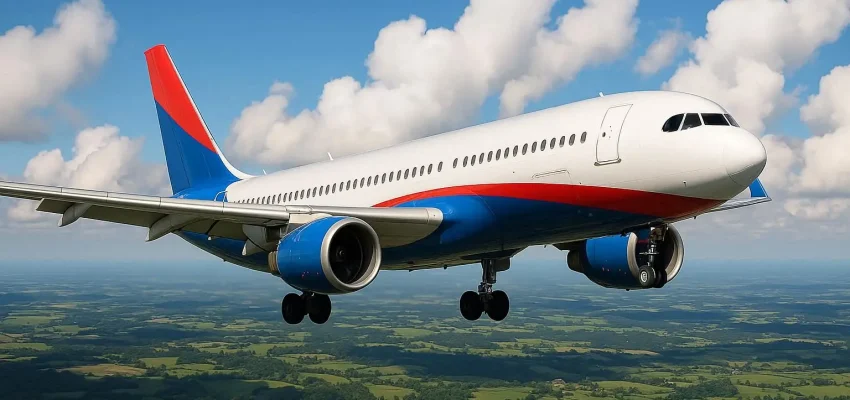
To appreciate the career of a FedEx Express pilot, one must understand the sheer scale of the operation. FedEx boasts an enormous fleet, comprising over 650 aircraft, making it one of the largest airlines in the world by fleet size. This diverse fleet includes:
Boeing 777F: The backbone of FedEx’s long-haul international routes, capable of carrying massive payloads across continents with exceptional fuel efficiency.
MD-11F: A workhorse for both international and heavy domestic routes, known for its robust cargo capacity.
Boeing 767F: A versatile medium-to-long-range freighter, crucial for intercontinental and transcontinental flights.
Boeing 757F: Utilized for shorter, high-frequency domestic routes, offering speed and efficiency.
Airbus A300/310F: Key for regional and shorter domestic services, contributing to the extensive network.
These aircraft connect a vast global network, with primary hubs strategically located around the world. The central artery of FedEx operations is its ‘SuperHub’ in Memphis, Tennessee (MEM), which processes millions of packages nightly. Other critical global hubs include Paris Charles de Gaulle (CDG) for Europe, Anchorage, Alaska (ANC) acting as a crucial trans-Pacific refuelling and sorting point, Guangzhou, China (CAN) for Asia, and Cologne, Germany (CGN) for intra-European logistics. Flying between these hubs often involves challenging schedules, diverse weather conditions, and complex air traffic, demanding the highest level of professionalism and skill from FedEx pilots.
In conclusion, a career as a FedEx Express pilot in 2025 stands out as one of the most stable, financially rewarding, and professionally fulfilling paths in the aviation industry. The projected **FedEx Express pilot salary**, combined with comprehensive benefits and continuous opportunities for professional growth, positions it as a premier choice for ambitious aviators. As global commerce continues its relentless expansion, fueled by technological advancements and consumer demand, the need for skilled cargo pilots will only intensify, cementing FedEx’s role as a vital player in the world economy and an exceptional employer.
For those with a passion for aviation, a commitment to excellence, and the discipline to navigate complex global logistics, the skies with FedEx Express offer not just a job, but a truly impactful career. It’s a journey that combines the thrill of flight with the satisfaction of being an indispensable link in the global supply chain, ensuring that the world keeps moving forward, one package at a time. The future looks bright for these guardians of the global economy, connecting continents and communities from 40,000 feet up.