
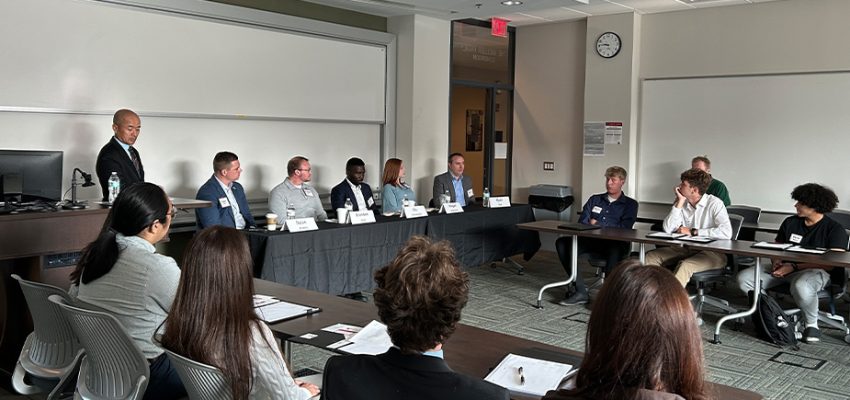

In an era defined by unprecedented technological acceleration, the professional landscape is undergoing a profound transformation. Artificial intelligence, once a concept confined to the pages of science fiction, has now firmly established itself as a cornerstone of modern industry, redefining business operations, innovation cycles, and perhaps most significantly, the very fabric of our careers. As professionals and aspiring talents look towards the horizon, a critical question emerges: how do we not just survive, but truly thrive, in a world increasingly shaped by AI? This question resonates deeply with the spirit of those seeking guidance on what to expect and how to prepare for their futures, mirroring the earnest pursuit of knowledge seen in academic halls and corporate training rooms alike.
The journey into an AI-driven future isn’t merely about adapting to new tools; it’s about fundamentally rethinking the nature of work, the value of human skills, and the strategic direction of personal and professional development. For anyone serious about making an impact, understanding the nuances of this shift is paramount. From the hallowed halls of universities to the dynamic environments of startups and multinational corporations, the conversation about the future of work is invariably intertwined with AI. This article, penned by an AI specialist and tech enthusiast, aims to demystify these changes, offering insights into the emerging landscape and practical strategies for carving out successful AI career paths.
AI Career Paths: Navigating the New Professional Landscape
The advent of artificial intelligence is not just creating new jobs; it’s profoundly altering the nature of existing ones and, in some cases, automating tasks previously performed by humans. This dynamic shift demands a proactive approach to career planning. Rather than fearing automation, professionals must learn to view AI as an augmentative force, a powerful co-pilot that enhances human capabilities and frees up time for more complex, creative, and strategically valuable work. Indeed, the global AI market is projected to experience explosive growth, with some analyses suggesting it could reach over $1.3 trillion by 2029, signaling a vast and expanding ecosystem of opportunities.
This growth isn’t limited to traditional tech roles. While specialists in machine learning engineering, data science, and AI research will undoubtedly be in high demand, the influence of AI extends far beyond these core areas. Business analysts must now understand how AI models can inform market trends; marketers need to leverage AI for hyper-personalized campaigns; financial advisors can utilize AI for predictive analytics and risk assessment; and healthcare professionals are adopting AI for diagnostics and personalized treatment plans. Each sector is being reshaped, creating new frontiers for those willing to adapt. The concept of AI career paths, therefore, becomes remarkably broad, encompassing roles that directly develop AI technologies as well as those that strategically integrate and manage them within diverse organizational contexts.
Consider the rise of prompt engineering, a relatively new discipline focused on crafting effective inputs for generative AI models, or AI ethics and governance, which addresses the crucial societal and regulatory implications of AI deployment. These are entirely new domains, born directly from AI’s maturation, illustrating the rapid evolution of the job market. Furthermore, existing roles like project managers, product developers, and customer service representatives are being augmented, requiring a new set of skills to effectively collaborate with AI tools. Understanding these evolving dynamics is the first step towards charting viable AI career paths in this fast-paced environment.
The Evolving Skillset: What AI Demands from Tomorrow’s Professionals
In an AI-driven world, the blend of technical prowess and uniquely human attributes is more critical than ever. The future workforce will not be divided into humans versus machines, but rather, skilled humans leveraging intelligent machines. To truly excel, individuals must cultivate a multifaceted skillset that anticipates the demands of tomorrow.
On the technical front, a foundational understanding of AI concepts is becoming increasingly indispensable for nearly all professionals, not just engineers. This includes familiarity with machine learning principles, data analytics, and the basics of programming languages like Python or R. For those directly involved in AI development, specialized skills such as deep learning frameworks (TensorFlow, PyTorch), cloud platforms (AWS, Azure, GCP), and expertise in specific AI domains (natural language processing, computer vision) are essential. Crucially, a grasp of AI ethics, fairness, and responsible deployment is also emerging as a core technical competency, ensuring that technology serves humanity positively.
However, the skills that truly differentiate humans in an AI-powered world are those that machines cannot easily replicate: creativity, critical thinking, complex problem-solving, emotional intelligence, and collaboration. As AI handles routine tasks and data analysis, humans will be called upon to innovate, synthesize diverse information, make nuanced ethical judgments, and foster deep interpersonal connections. The ability to ask the right questions, to interpret AI outputs, and to translate insights into actionable strategies will be invaluable. Moreover, adaptability and a commitment to lifelong learning are non-negotiable. The pace of AI innovation means that today’s cutting-edge tool might be tomorrow’s legacy system; a growth mindset is therefore crucial for navigating dynamic AI career paths.
Interdisciplinary thinking is also paramount. Professionals who can bridge the gap between technical AI capabilities and real-world business challenges will be highly sought after. This means a marketing specialist who understands AI’s data processing power, or a healthcare administrator who grasps the implications of AI-driven diagnostics. These individuals, with their ability to connect disparate fields, will be instrumental in harnessing AI’s full potential across industries.
From Academia to Industry: Bridging the Gap in an AI-Driven World
The responsibility for preparing the next generation for AI-influenced careers falls on both individuals and institutions. Educational systems, from universities to vocational schools, must evolve to equip students with relevant skills, while individuals must take proactive steps to curate their own learning journeys. The traditional model of education, where learning largely concludes upon graduation, is increasingly outdated in an age of continuous innovation.
For educational institutions, this means integrating AI literacy across curricula, not just in computer science departments. Business students, for instance, should be exposed to AI’s applications in finance, marketing, and supply chain management. Experiential learning opportunities, such as internships, co-op programs, and collaborative projects with industry partners, are vital for providing real-world context to theoretical knowledge. Institutions that foster a culture of innovation and interdisciplinary collaboration will be best positioned to prepare students for the complex, multifaceted nature of modern AI career paths.
On the individual front, continuous learning is no longer a luxury but a necessity. Online courses (MOOCs from platforms like Coursera, edX, Udacity), specialized certifications, and professional development workshops offer accessible avenues to acquire new skills. Mentorship from experienced professionals, participation in industry forums, and engagement with open-source AI communities can also provide invaluable insights and networking opportunities. Building a portfolio of practical projects, even personal ones, demonstrates a tangible grasp of AI concepts and their application, which can be far more impactful than theoretical knowledge alone.
Furthermore, fostering an entrepreneurial spirit is increasingly relevant. Many of the most exciting AI career paths might not exist in traditional companies but rather in new ventures born from innovative applications of AI. The ability to identify problems, conceptualize AI-driven solutions, and bring them to fruition is a powerful asset in this evolving landscape. This blend of formal education, practical experience, and a commitment to lifelong learning forms the bedrock for navigating and ultimately shaping the future of work.
The transition from student to professional in an AI-driven world requires more than just academic knowledge; it demands a strategic mindset, a thirst for continuous learning, and an unwavering adaptability. The insights professionals shared with students years ago about preparation and expectation are amplified today by the transformative power of artificial intelligence. It’s about being perennially curious, critically engaged, and courageously innovative.
As we stand on the cusp of an AI-powered future, the opportunities for meaningful and impactful careers are immense. By embracing the evolving skillset, actively engaging with new learning paradigms, and understanding the broad spectrum of AI career paths available, individuals can not only safeguard their professional futures but also become architects of the next wave of innovation. The journey will be dynamic, but with foresight and preparation, it promises to be one of the most rewarding endeavors of our professional lives.










