
In an era increasingly shaped by artificial intelligence and rapid technological advancements, it’s easy to get caught up in the allure of algorithms and automated solutions. As an AI specialist and tech enthusiast, I’m constantly fascinated by the potential of innovation to transform our world. Yet, amidst all the talk of intelligent systems and predictive analytics, there remains a fundamental truth: some of the most profound human challenges require deeply human solutions. One such challenge, and perhaps one of the most significant demographic shifts of our time, is the global aging population. How we choose to care for and integrate our elders into society speaks volumes about our collective values, and it’s here that a field like gerontology emerges not just as an academic discipline, but as a critical societal imperative.
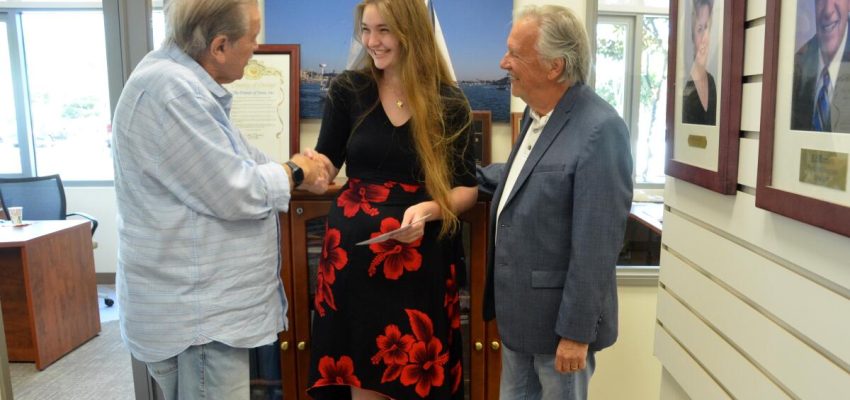
The foresight shown by organizations like Friends of OASIS, which champions the mission of Newport Beach’s OASIS Senior Center, is commendable. By offering scholarships in gerontology, they are not merely funding education; they are investing in the very fabric of our future. They are recognizing that serving an aging population demands specialized knowledge, unwavering dedication, and, above all, profound compassion. This initiative, highlighted by the original story of OASIS scholars, beautifully illustrates how empathy can be meticulously nurtured and transformed into impactful, professional careers, ensuring that as humanity lives longer, it also lives better.
Gerontology: A Field Defined by Compassion and Urgency
At its heart, gerontology is the multidisciplinary study of aging. It’s a vast and intricate field that examines the physical, mental, and social changes that occur as people grow older, as well as the societal implications of an aging population. Unlike geriatrics, which focuses specifically on the medical care of older adults, gerontology encompasses a broader spectrum, integrating insights from biology, psychology, sociology, public health, economics, and even urban planning. It seeks to understand the entire human experience of aging, from the molecular level to the societal structures that either support or hinder healthy longevity.
The urgency of investing in this field cannot be overstated. According to the United Nations, the number of people aged 65 and over is projected to more than double globally by 2050, reaching 1.6 billion. This demographic shift, often referred to as the ‘silver tsunami,’ is unprecedented in human history. It presents both immense challenges and incredible opportunities. We face pressures on healthcare systems, social security, and economic productivity. Simultaneously, there is an immense potential for the wisdom, experience, and continued contributions of older adults to enrich our communities. Professional gerontologists are at the forefront of navigating these complex dynamics, developing innovative programs, advocating for sound policies, and designing environments that foster well-being across the lifespan.
Consider the varied career paths a degree in gerontology can unlock: from directors of senior living communities and public health specialists focused on aging, to policy analysts shaping legislation and researchers delving into age-related diseases. There are also roles in designing age-friendly technologies, developing therapeutic recreation programs, or providing counseling to older adults and their families. Each of these roles, regardless of its specific focus, requires a deep understanding of the aging process and a compassionate approach to addressing the unique needs and aspirations of older individuals. It’s about moving beyond simplistic stereotypes of aging and embracing a holistic, dignified perspective.
The Global Silver Tsunami: A Demographic Imperative for Expertise
The phenomenon of an aging global population is not merely a statistical anomaly; it is a profound societal transformation with far-reaching implications. For millennia, human populations were characterized by high birth and death rates, resulting in relatively young demographics. However, advances in medicine, sanitation, nutrition, and public health have dramatically increased life expectancy and lowered birth rates in many parts of the world. This demographic transition has led to an increasing proportion of older adults relative to younger generations, a trend that is accelerating globally.
In countries like Japan, over 28% of the population is already over 65. European nations are rapidly catching up, and even historically younger continents like Africa are experiencing significant increases in their older adult populations. The United States Census Bureau projects that by 2034, older adults will outnumber children for the first time in U.S. history. This shift necessitates a fundamental rethinking of everything from urban infrastructure and public transportation to labor markets and educational systems. Our current societal structures, largely designed for a younger population, are ill-equipped to handle the specific demands and opportunities presented by an unprecedented number of older citizens.
This is where specialized expertise in gerontology becomes indispensable. Professionals trained in this field understand the nuances of age-related physical and cognitive changes, the socio-economic factors influencing seniors’ quality of life, and the psychological impact of transitions like retirement or bereavement. They are vital in designing accessible living spaces, creating engaging social programs, advocating for healthcare policies that prioritize preventive care and chronic disease management, and even developing financial planning strategies that account for extended lifespans. Without a robust cadre of such experts, societies risk facing increased social isolation, inadequate care services, and an underutilized pool of experienced individuals. Investing in these advocates is not just an act of charity; it’s an act of collective self-preservation and future-proofing our communities.
Bridging Human Touch and Technological Advancements in Elder Care
My work in artificial intelligence often leads me to consider how technology can enhance human capabilities, rather than replace them. In the realm of elder care, this dynamic is particularly relevant. While AI and robotics offer incredible potential for supporting an aging population—from smart home systems that monitor health and prevent falls, to tele-medicine platforms that provide remote consultations, and even companion robots designed to alleviate loneliness—they can never fully replicate the essence of human compassion, empathy, and personal connection. This is the crucial bridge that professionals in gerontology are uniquely positioned to build.
Imagine an AI-powered system that can track medication adherence, identify subtle changes in gait indicative of fall risk, or even translate medical data into actionable insights for caregivers. These are powerful tools that can improve efficiency, safety, and access to care. However, it is the skilled gerontologist, the social worker, the nurse, or the community program director who interprets these data points through a human lens, understanding the individual’s history, preferences, and emotional state. It’s the human caregiver who offers a comforting touch, a listening ear, and personalized encouragement—elements that are fundamental to holistic well-being and dignity in later life.
The investment by Friends of OASIS in scholarships for gerontology students is a testament to the enduring value of this human element. These scholars are being equipped not just with academic knowledge, but with a philosophy of care that integrates understanding of age-related challenges with profound respect for individual autonomy and personhood. They learn to leverage technology as an aid, a force multiplier for their compassionate efforts, rather than viewing it as a replacement for human interaction. This hybrid approach—where advanced technology meets deeply human care—represents the optimal path forward for ensuring a high quality of life for our seniors. It allows us to scale support efficiently while preserving the invaluable warmth and understanding that only human connection can provide.
Investing in the Future: The OASIS Model and the Path Forward
The model exemplified by organizations like Friends of OASIS, through their dedicated scholarship programs, is a beacon of how communities can proactively address the needs of an aging society. By providing financial support and mentorship, they are directly cultivating the next generation of professionals who will champion the cause of older adults. These scholarships do more than just ease tuition burdens; they validate gerontology as a vital and rewarding career path, attracting talented individuals who might otherwise overlook this critical field. They transform abstract compassion into tangible, skilled service, creating a pipeline of ‘senior advocates’ who are prepared to make a real difference in the lives of many.
Such initiatives also serve as powerful catalysts for broader societal dialogue. They highlight the fact that aging is not a burden to be managed, but a natural phase of life rich with potential, deserving of dedicated expertise and resources. As we look to the future, the lessons from OASIS and similar programs become increasingly important. They underscore the need for collaborative efforts involving educational institutions, philanthropic organizations, governmental bodies, and private enterprises to build a robust ecosystem of support for older adults. This includes expanding academic programs in gerontology, fostering research into healthy aging, developing innovative care models, and creating policy frameworks that promote age-friendly communities.
Ultimately, the path forward requires a blend of visionary leadership, scientific inquiry, technological innovation, and, most critically, a deep well of human empathy. We must continue to invest in the education and training of professionals who understand the complexities of aging and are committed to serving older adults with dignity and respect. Only then can we truly harness the opportunities presented by greater longevity, ensuring that our societies not only grow older but also grow wiser, kinder, and more inclusive for all its members.
The journey of aging is universal, and how we support those on this journey reflects our deepest societal values. The scholars of OASIS, embarking on careers in gerontology, are not just pursuing personal aspirations; they are helping to build a more compassionate and resilient future for us all. Their dedication, fueled by both knowledge and heart, is precisely what we need to navigate the evolving landscape of longevity, ensuring that human connection remains paramount, even as technology continues to redefine what’s possible.