
The world of work is in constant flux, a dynamic landscape shaped by technological innovation and shifting societal needs. Nowhere is this transformation more profound than in healthcare, an industry on the cusp of a revolution powered by artificial intelligence. As an AI specialist and fervent advocate for technology’s potential, I find it incredibly inspiring to witness initiatives that prepare the next generation for this exciting future.
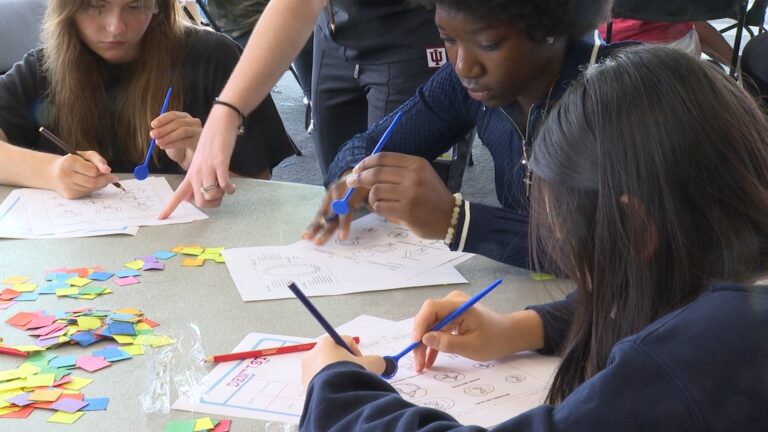
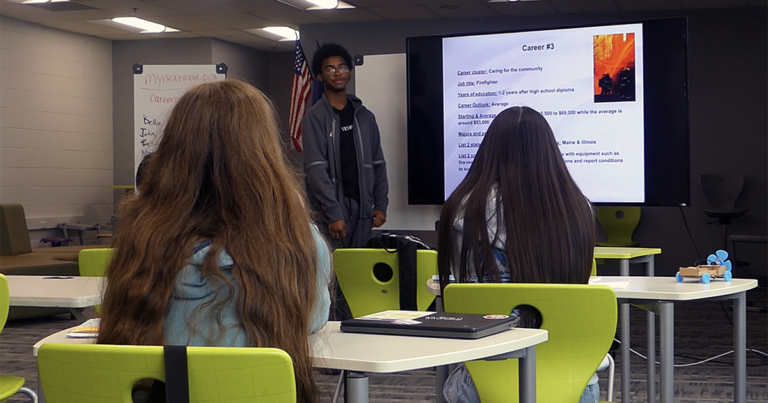
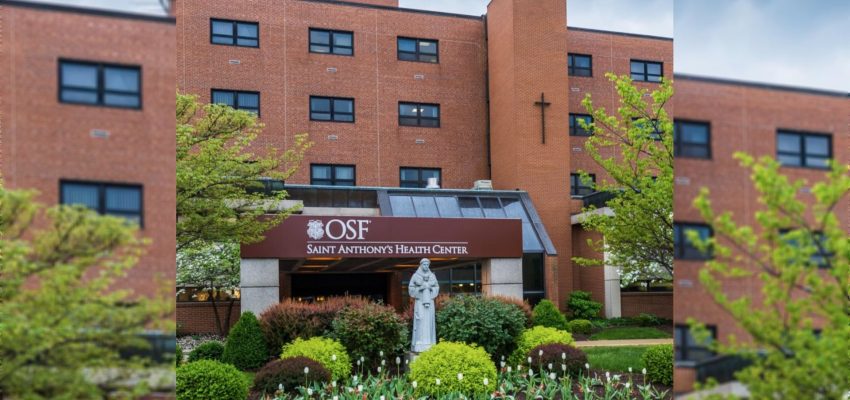
Recently, news emerged from Alton about middle school students engaging in a hands-on exploration of healthcare careers at OSF Saint Anthony’s free summer camp. For three days, young minds delved into the intricacies of various medical professions, gaining invaluable insights and practical experience. This kind of early exposure is more critical than ever, not just for traditional medical roles, but for understanding how emerging technologies, especially AI, are fundamentally reshaping every facet of patient care, diagnostics, and medical research. It’s an opportunity to spark curiosity and cultivate the skills that will define tomorrow’s medical innovators, making the study of **AI in Healthcare Careers** an imperative, not just an option.
### AI in Healthcare Careers: Shaping the Future of Medicine
The integration of artificial intelligence into healthcare is no longer a futuristic concept; it is a present reality that is rapidly evolving. From optimizing administrative tasks to assisting in complex surgical procedures, AI is redefining what’s possible in medicine. For students considering healthcare careers today, understanding AI isn’t just an advantage—it’s a necessity. The landscape of **AI in Healthcare Careers** is vast and varied, offering pathways that blend medical expertise with technological prowess.
Consider the field of diagnostics. AI algorithms are proving incredibly adept at analyzing medical images, such as X-rays, MRIs, and CT scans, often identifying anomalies with greater speed and accuracy than the human eye alone. This isn’t about replacing radiologists but augmenting their capabilities, allowing them to focus on complex cases and improve patient outcomes. Similarly, in pathology, AI can sift through vast amounts of cellular data, assisting in the early detection of diseases like cancer. These advancements create new roles for medical professionals who are skilled in interpreting AI outputs, validating models, and integrating these tools into clinical workflows.
Beyond diagnostics, AI is making significant strides in drug discovery and development. The traditional process of bringing a new drug to market is notoriously long and expensive, often taking over a decade and billions of dollars. AI can accelerate this by rapidly screening vast libraries of compounds, predicting molecular interactions, and even designing novel molecules, dramatically reducing the time and cost associated with preclinical research. This opens doors for careers in computational biology, AI-driven pharmacology, and data science within pharmaceutical companies, roles that require a deep understanding of both biological systems and advanced algorithmic techniques. The demand for experts in **AI in Healthcare Careers** focused on drug discovery is projected to surge.
Personalized medicine is another area being revolutionized by AI. By analyzing an individual’s genetic makeup, lifestyle, and medical history, AI can help clinicians tailor treatment plans that are far more effective and minimize adverse reactions. This paradigm shift towards precision healthcare necessitates professionals who can manage and interpret complex genomic and health data, working alongside AI systems to deliver highly individualized care. Moreover, AI-powered predictive analytics can identify patients at risk of developing certain conditions, enabling proactive interventions and preventive care strategies. These roles often involve a blend of clinical knowledge, statistical analysis, and machine learning expertise, making them quintessential examples of emerging **AI in Healthcare Careers**.
Even administrative tasks, often a major drain on healthcare resources, are benefiting from AI. Natural Language Processing (NLP) is being used to streamline electronic health record (EHR) management, automate coding, and improve patient scheduling. This frees up clinicians to focus more on direct patient care, creating efficiencies that can significantly enhance the overall healthcare system. For those interested in the operational side of medicine, careers in healthcare informatics with an AI specialization are becoming increasingly vital.
### Hands-On Learning: Bridging Theory and Practice in a Digital Age
The value of hands-on learning, as exemplified by the OSF Saint Anthony’s camp, cannot be overstated. Allowing middle schoolers to interact directly with medical equipment, practice basic procedures, and receive guidance from experts fosters a deeper understanding and passion than theoretical study alone. In the context of the burgeoning field of **AI in Healthcare Careers**, this practical approach takes on new dimensions.
Today’s students aren’t just learning about stethoscopes and bandages; they should also be exposed to the tools of tomorrow: virtual reality simulations for surgical training, data visualization platforms for clinical insights, and even basic coding concepts that underpin AI applications. Imagine a future version of this camp where students not only learn to take vital signs but also get to interact with an AI diagnostic assistant, understand how a machine learning model is trained to detect disease, or even design a simple chatbot for patient interaction. Such experiences would provide an unparalleled foundation for navigating the complexities of modern medicine.
Practical experience helps bridge the gap between abstract concepts and real-world application. For instance, understanding the ethical implications of AI in healthcare—such as data privacy, algorithmic bias, and accountability—is best achieved through engaging with real-world scenarios or simulated case studies. Discussions facilitated by healthcare professionals who are already integrating AI into their practices can provide invaluable perspectives. This kind of nuanced understanding is crucial for any student aspiring to build a career in this rapidly evolving domain, emphasizing the holistic development required for **AI in Healthcare Careers**.
The emphasis on teamwork and problem-solving cultivated in such camp environments is also directly transferable to the collaborative nature of AI development and deployment in healthcare. Building robust AI systems requires interdisciplinary teams comprising doctors, data scientists, engineers, ethicists, and policy makers. Early exposure to collaborative, project-based learning can equip students with the soft skills necessary to thrive in such environments, where communication and critical thinking are as important as technical proficiency.
### Nurturing the Next Generation: Why Early STEM & AI Exposure Matters
The future of healthcare depends on a pipeline of talented individuals who are not only compassionate and medically skilled but also technologically literate and adaptable. Initiatives like the summer camp are foundational in planting these seeds early, particularly in encouraging students towards STEM (Science, Technology, Engineering, and Mathematics) fields. As AI continues its pervasive integration into healthcare, early exposure to its principles becomes paramount.
Introducing concepts related to AI, data science, and computational thinking at the middle school level can demystify these complex subjects and make them accessible. It’s about cultivating a mindset of curiosity and innovation. By understanding the basic building blocks of AI—like pattern recognition, data collection, and algorithmic logic—students can begin to grasp how these technologies can be applied to solve pressing healthcare challenges. This proactive approach ensures that by the time these students reach higher education, they are already equipped with a foundational understanding that positions them well for specialized programs focused on **AI in Healthcare Careers**.
Moreover, fostering diverse participation in these early programs is crucial. The development of AI in healthcare must reflect the diversity of the patients it serves. By encouraging students from all backgrounds to explore these fields, we can ensure that future AI solutions are equitable, robust, and free from inherent biases. Representation matters, and starting early is key to building a truly inclusive future for medical AI.
The skills nurtured through early STEM and AI exposure—critical thinking, problem-solving, data interpretation, and ethical reasoning—are universal. They are not merely for aspiring data scientists but for every future healthcare professional, from nurses to surgeons. The ability to interact with AI tools, understand their limitations, and leverage their strengths will be a defining characteristic of successful healthcare providers in the coming decades. These foundational experiences shape not just individual career paths but the collective capacity of our society to innovate and deliver superior healthcare.
The journey these young students embarked on at OSF Saint Anthony’s is more than just a summer activity; it’s a vital step in preparing them for a future where technology and compassion converge. As we look ahead, the integration of AI will redefine healthcare in profound ways. From improving diagnostics and drug discovery to personalizing treatments and enhancing administrative efficiency, AI promises a future of more precise, accessible, and effective care. The crucial factor in realizing this promise lies in the human element—the dedicated professionals who understand how to harness these powerful tools ethically and effectively.
Nurturing the next generation of healthcare professionals with a robust understanding of traditional medicine combined with deep AI literacy is an investment in our collective health and well-being. By fostering curiosity, providing hands-on experience, and integrating AI concepts into early education, we are empowering these young innovators to not only navigate but also lead the revolution in **AI in Healthcare Careers**. The future of medicine is bright, collaborative, and undeniably intelligent, waiting for these bright minds to shape it.