
In an era defined by rapid technological advancements, evolving global markets, and an increasingly competitive job landscape, the traditional model of higher education is constantly being scrutinized. Students and employers alike are seeking more than just academic credentials; they demand practical skills, real-world experience, and demonstrable impact. This demand has given rise to a new, highly effective paradigm in education:
career-focused business programs. As an AI specialist and tech enthusiast, I’ve observed firsthand how quickly industries can transform, making agility and direct applicability of knowledge more crucial than ever before. These specialized programs are not just an alternative; they represent a deliberate evolution, meticulously designed to bridge the gap between academic theory and the urgent demands of professional practice. But what exactly sets them apart from their more conventional counterparts? The answer lies in three foundational pillars: employer-designed curricula, required client projects, and transparent, measurable job placement data.
For aspiring professionals navigating the complexities of their next career move or seeking to upskill in a rapidly changing economy, understanding these distinctions is paramount. It’s about investing not just in an education, but in a clear pathway to professional success. Let’s delve deeper into how these elements converge to create a truly impactful learning experience, positioning graduates not just as job seekers, but as immediate contributors equipped with the foresight and practical acumen to thrive.
Career-Focused Business Programs: A New Paradigm in Education
The modern business world moves at an unprecedented pace, driven by innovation, global connectivity, and the pervasive influence of technology, including artificial intelligence. This dynamic environment demands graduates who are not just knowledgeable, but also adaptable, pragmatic, and ready to contribute from day one. This is precisely where the design philosophy behind
career-focused business programs truly shines. Unlike traditional programs that might prioritize broad theoretical understanding or academic research, these specialized pathways are engineered with a laser focus on employability and immediate professional relevance.
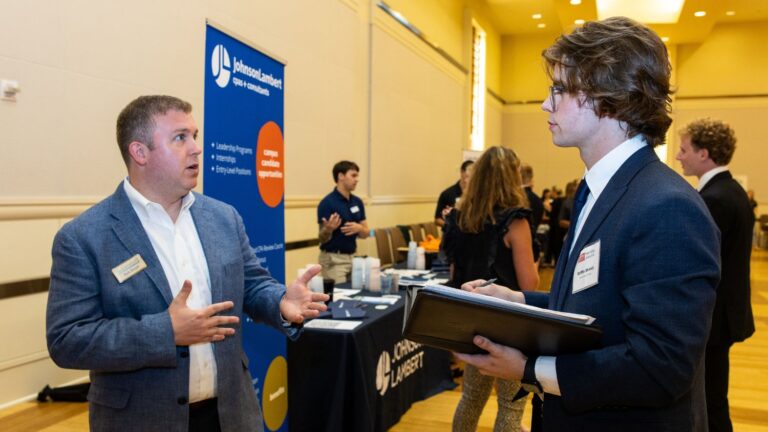
At the heart of their distinction is the concept of an employer-designed curriculum. This isn’t merely an advisory board offering suggestions; it’s a deep, ongoing collaboration between academic institutions and leading industry partners. Think of major corporations, innovative startups, and key sector influencers actively shaping the content, skills, and even technologies taught within these programs. For example, a program specializing in supply chain management might work directly with logistics giants to ensure its modules cover the latest in predictive analytics, drone delivery optimization, or sustainable sourcing, reflecting real operational challenges and future trends. Similarly, a digital marketing program might co-create content with top agencies, integrating cutting-edge SEO tactics, social media analytics, and conversion rate optimization strategies that are immediately applicable in the field. This constant feedback loop ensures that the knowledge imparted isn’t just current, but forward-looking, anticipating the skills employers will need tomorrow.
The benefits of such a collaborative approach are manifold. Students learn not just what to think, but how to act within specific industry contexts. They gain exposure to industry-standard tools, methodologies, and ethical considerations. This model directly addresses a long-standing criticism of higher education: the perceived disconnect between academic learning and workplace demands. According to a 2022 survey by the Society for Human Resource Management (SHRM), 76% of employers reported a skills gap among job applicants, highlighting a critical need for education to better align with industry requirements.
Career-focused business programs proactively tackle this challenge, ensuring graduates possess a finely tuned skillset that is immediately valuable to employers, making them highly attractive candidates in a competitive market.
Moreover, the curriculum often goes beyond technical proficiencies, integrating critical soft skills that are indispensable in any professional setting. Communication, teamwork, problem-solving, ethical decision-making, and adaptability are woven into the very fabric of the coursework. These are the skills that enable graduates to navigate complex corporate structures, lead diverse teams, and innovate in the face of uncertainty – qualities that are particularly vital in an increasingly automated and AI-driven professional landscape. By focusing on what employers truly need, these programs cultivate well-rounded professionals who are not only technically proficient but also socially and strategically adept.
Bridging Theory and Practice: The Power of Required Client Projects
Beyond meticulously crafted curricula, what truly galvanizes the learning experience in
career-focused business programs is the mandatory integration of real-world client projects. This is arguably the most transformative element, moving beyond hypothetical case studies to engage students in actual business challenges with tangible outcomes. Imagine a student team tasked with developing a market entry strategy for a startup considering expansion into a new international market, or optimizing the supply chain for a manufacturing firm grappling with post-pandemic disruptions, or even analyzing complex datasets to uncover growth opportunities for a non-profit organization.
These aren’t simulated exercises; they are genuine engagements with real companies facing real problems. Students collaborate directly with client stakeholders, conducting research, analyzing data, formulating recommendations, and ultimately presenting solutions that often have a direct impact on the client’s operations or strategic direction. This experiential learning approach offers a multitude of invaluable benefits. Firstly, it provides unparalleled practical experience, allowing students to apply theoretical knowledge in dynamic, unpredictable environments. They learn to navigate ambiguities, manage stakeholder expectations, and work under real-world deadlines – experiences that cannot be replicated in a classroom setting.
Secondly, these projects are potent portfolio builders. Graduates emerge not just with a degree, but with a demonstrable track record of solving actual business problems. This tangible evidence of capability is a significant differentiator in job interviews, offering concrete examples of problem-solving skills, teamwork, and initiative. Recruiters frequently express the desire for candidates who can hit the ground running, and these projects provide exactly that proof. Furthermore, these engagements serve as invaluable networking opportunities. Students interact with industry professionals, potential mentors, and even future employers, often leading directly to internships or full-time positions. These connections are gold, opening doors that might otherwise remain closed.
The scope of these projects can be incredibly diverse, reflecting the multidisciplinary nature of modern business. They might involve developing a new product launch plan, conducting a feasibility study for a sustainable business model, designing a digital transformation roadmap, or even creating a responsible AI implementation strategy. Each project presents a unique set of challenges, fostering critical thinking, adaptability, and resilience. For the participating companies, it’s an opportunity to gain fresh perspectives, innovative solutions, and even scout potential talent, often at a fraction of the cost of traditional consulting services. It’s a symbiotic relationship that benefits all parties involved, solidifying the practical relevance and value proposition of
career-focused business programs.
The Ultimate Metric: Measurable Job Placement Success
Perhaps the most compelling differentiator for
career-focused business programs lies in their commitment to transparent, measurable job placement data. In an era where the return on investment (ROI) of higher education is under increasing scrutiny, these programs stand out by explicitly linking their educational offerings to tangible career outcomes. This isn’t just about graduating; it’s about graduating into meaningful employment that leverages the skills acquired.
What does this data typically encompass? It goes far beyond simple graduation rates. Reputable programs meticulously track metrics such as overall job placement rates within a specific timeframe (e.g., six months post-graduation), average starting salaries, salary ranges by industry or role, the types of companies hiring their graduates, and even career progression trajectories. This level of detail provides invaluable insights for prospective students, allowing them to make highly informed decisions about their educational investments. They can assess not only the quality of the program but also its proven ability to deliver on its promise of career readiness and success.
The transparency surrounding these metrics creates a powerful feedback loop for the programs themselves. Strong job placement data validates their curricula and teaching methodologies, attracting more high-caliber applicants. Conversely, any dip in placement rates or starting salaries can signal areas where the curriculum needs updating or where career services efforts need to be intensified. This commitment to measurable outcomes fosters continuous improvement, ensuring that the programs remain agile and responsive to the ever-shifting demands of the global job market. For instance, if data indicates a rising demand for data scientists in a particular sector, the program can quickly adapt by enhancing its analytics modules or forming new industry partnerships.
Moreover, the emphasis on job placement data inherently cultivates a strong career services infrastructure within these institutions. These departments become highly proactive, offering specialized career coaching, resume workshops, interview preparation, networking events, and direct connections to employers. They understand that their success is directly tied to the career success of their students. This holistic approach, combining an industry-aligned curriculum, practical experience, and robust career support, culminates in graduates who are not only well-prepared but also well-connected and strategically positioned for impactful careers. In a world where every educational decision carries significant weight, the proven track record of
career-focused business programs offers a reassuring beacon of accountability and efficacy.
In conclusion, the distinguishing characteristics of
career-focused business programs are not merely academic footnotes; they are fundamental design principles that create a powerful engine for professional development. From curricula meticulously shaped by industry leaders to the immersive challenge of real-world client projects and the unwavering commitment to transparent job placement success, these programs redefine what it means to be prepared for the modern workforce. They move beyond the traditional ivory tower, embedding students directly into the ecosystem of current business demands and future innovation.
For individuals aspiring to make an immediate impact, to lead in dynamic industries, and to navigate a future increasingly shaped by technology and AI, these programs offer a compelling pathway. They equip graduates not just with knowledge, but with practical wisdom, a network of valuable connections, and the confidence to drive change from day one. In an economy that values demonstrable skills and measurable results above all else, investing in a career-focused business program is an investment in an accelerated trajectory towards meaningful and impactful professional achievement.