
In a world increasingly driven by data, algorithms, and digital transformation, it’s easy to overlook the enduring power of human creativity and skill in more traditional domains. Yet, some fields remain profoundly human-centric, where passion, precision, and an intuitive understanding of craft are paramount. The culinary arts stand as a quintessential example, a timeless blend of science, art, and human connection that continues to captivate and nourish. For those called to this demanding yet incredibly rewarding profession, the journey from aspiration to achievement often begins in the crucible of dedicated training. And in the vibrant, competitive gastronomic landscape of San Francisco, City College is making an indelible mark, sculpting the next generation of culinary masters through an immersive program that redefines practical education.
At its heart, the pursuit of becoming a professional chef is a commitment to lifelong learning, an embrace of relentless pressure, and an unwavering dedication to excellence. It’s not merely about cooking; it’s about understanding ingredients, mastering techniques, innovating flavors, and orchestrating an unforgettable dining experience. Aspiring chefs require more than textbook knowledge; they need hands-on experience, mentorship, and a deep appreciation for the complex ecosystem of a professional kitchen. This is precisely where institutions like City College of San Francisco step in, providing a bridge between academic theory and the high-stakes reality of the restaurant world. Their celebrated Chef’s Table program, in particular, offers a unique opportunity for students to not just learn to cook, but to truly run a sophisticated culinary operation, preparing them for robust and challenging culinary careers in a city renowned for its gastronomic innovation.
Culinary Careers: Forging Futures at the Chef’s Table
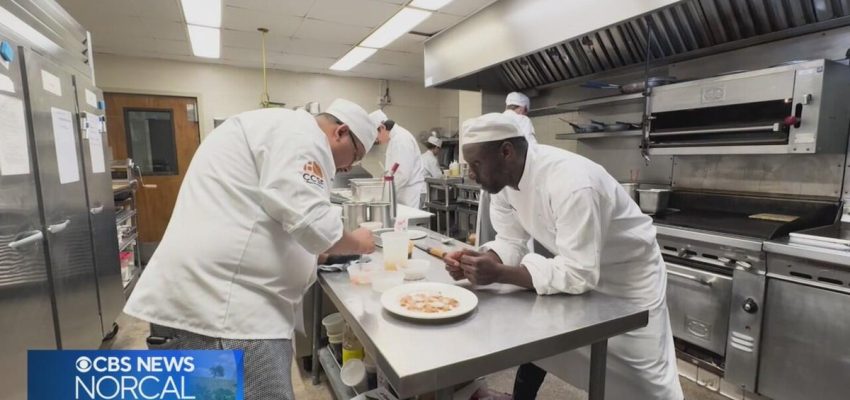
The path to successful culinary careers is rarely a straight line, but programs like City College of San Francisco’s Chef’s Table offer an invaluable launchpad. This isn’t your typical classroom setting; it’s a fully operational, high-end dining experience where students are responsible for every aspect, from concept development and menu design to ingredient sourcing, preparation, service, and even front-of-house management. Imagine the pressure, the learning curve, and the immense satisfaction of executing a professional-grade dinner service, all while still honing your craft under expert guidance. This immersive model stands as a testament to experiential learning, a pedagogical approach that prioritizes direct, practical engagement over passive instruction.
For centuries, culinary education often followed an apprenticeship model, where young cooks learned at the side of a master. While formal culinary schools emerged in the 19th and 20th centuries, many continued to blend classroom theory with practical kitchen work. What makes programs like the Chef’s Table particularly potent is their ability to simulate the dynamic, high-pressure environment of a commercial kitchen. Students aren’t just following recipes; they’re problem-solving in real-time. A last-minute ingredient shortage? They learn to adapt. A complex dish requiring perfect timing? They master coordination. A demanding diner? They refine their service skills. This intense, multi-faceted training cultivates not only technical prowess but also critical soft skills—teamwork, communication, leadership, and resilience—which are arguably just as important for longevity in the food service industry.
San Francisco, with its rich culinary heritage and diverse food culture, provides an exceptional backdrop for such a program. The city is a melting pot of global influences, a hub for farm-to-table movements, and home to Michelin-starred establishments alongside beloved neighborhood eateries. Students at City College are therefore exposed to a broad spectrum of culinary philosophies and expectations. They learn not just classic French techniques, but also the nuances of Californian cuisine, Asian fusion, and a myriad of international flavors that define the city’s gastronomic identity. This exposure, combined with the practical rigor of the Chef’s Table, ensures graduates are not just competent cooks, but adaptable culinary artists ready to contribute to any kitchen, from a bustling bistro to a gourmet restaurant. The hands-on experience gained through such intensive programs dramatically shortens the learning curve that fresh graduates often face when entering the professional world, giving them a significant edge in securing coveted entry-level positions and accelerating their progression into more senior roles. It’s a direct bridge from academic rigor to the real-world demands of sophisticated dining.
The Curriculum Beyond the Plate: Business Acumen and Sustainability
While the dazzling array of dishes created at the Chef’s Table might be the most visible outcome, the true depth of the City College program extends far beyond plating and presentation. Modern culinary careers demand a comprehensive understanding of the business side of food. A chef today is not merely an artist; they are also an operations manager, a budget analyst, a marketing strategist, and a team leader. The curriculum at City College thoughtfully integrates these crucial business components, preparing students for the multifaceted reality of the industry.
Students delve into subjects like food costing, inventory management, menu engineering, and supply chain logistics. They learn how to optimize profits without compromising quality, how to manage food waste, and how to navigate vendor relationships. This blend of creative and analytical skills is vital for anyone aspiring to ascend to head chef, executive chef, or even restaurateur. Furthermore, in an era of heightened environmental awareness, sustainability is no longer a niche concern but a fundamental principle of ethical gastronomy. The program emphasizes responsible sourcing, waste reduction, and energy efficiency—practices that are becoming increasingly essential for any reputable culinary establishment.
Mentorship plays an unparalleled role in this educational journey. Experienced chef-instructors, often with extensive industry backgrounds in San Francisco and beyond, guide students through every challenge. They share not just recipes, but wisdom gathered from years in demanding kitchens – insights into managing stress, fostering creativity under pressure, and building resilient teams. This personal guidance transforms the learning experience, offering students a realistic glimpse into the challenges and triumphs of professional cooking. These mentors often have extensive networks, providing invaluable connections for students as they transition from school to their first professional roles. The relationships built here can extend far beyond graduation, forming a supportive community that continues to foster growth and opportunity throughout their culinary careers.
Pathways to Success: Diverse Culinary Career Opportunities
The completion of an intensive program like City College’s Chef’s Table doesn’t just open a single door; it unlocks a multitude of pathways within the expansive food service industry. While many graduates naturally aspire to roles as line cooks, sous chefs, or eventually head chefs in renowned restaurants, the skills acquired are highly transferable and can lead to a diverse array of fulfilling culinary careers. The global food service market, valued at over $2.5 trillion, continues to offer robust opportunities, driven by evolving consumer tastes and a constant demand for quality experiences.
Consider the specialized fields within the culinary arts: pastry chefs and bakers, for instance, are in high demand in patisseries, hotels, and dedicated bakeries. Catering and event planning offer dynamic opportunities for those who enjoy variety and large-scale operations. For individuals with an entrepreneurial spirit, opening a food truck, starting a private chef service, or launching a specialty food business becomes a tangible reality. The program also equips students for roles in institutional food service, such as corporate cafeterias, hospitals, or university dining halls, which demand high-volume production without sacrificing quality.
Beyond direct kitchen roles, a strong culinary background can serve as a foundation for careers in food writing, culinary instruction, food styling, product development for food manufacturers, or even restaurant consulting. The analytical and creative problem-solving skills honed during the program are invaluable in these adjacent fields. Moreover, with the increasing integration of technology into the kitchen, from advanced equipment to data-driven menu planning, a foundation in precise execution and adaptability positions these graduates well to embrace future innovations. The comprehensive training at City College prepares them not just for today’s industry, but also for the evolving demands of tomorrow’s culinary landscape, ensuring that their journey continues to be one of growth and innovation.
The journey from an aspiring cook to a seasoned culinary professional is a challenging yet profoundly rewarding one. Programs like City College of San Francisco’s Chef’s Table exemplify the power of hands-on, immersive education in preparing individuals for successful culinary careers. By combining rigorous practical training with essential business acumen and a deep understanding of industry trends, these institutions are not merely teaching students how to cook; they are nurturing talent, fostering leadership, and instilling the resilience required to thrive in the demanding world of professional gastronomy.
As the global palate continues to diversify and diners increasingly seek unique and sustainable dining experiences, the demand for highly skilled and adaptable culinary professionals will only grow. City College’s commitment to excellence ensures that its graduates are not just ready to meet this demand but are poised to lead the next wave of culinary innovation, shaping the future of food one exquisitely prepared dish at a time. The legacy of their hard work, dedication, and passion will undoubtedly leave a delicious mark on San Francisco’s vibrant food scene and beyond.