
In an era defined by rapid technological advancement and an insatiable demand for innovation, it’s easy to overlook foundational challenges that, if left unaddressed, could profoundly impede our collective progress. One such critical issue, often overshadowed by the dazzling pace of AI and automation, is the deepening crisis within our education systems: a persistent and alarming teacher shortage. As an AI specialist and someone deeply invested in the future of our societies, I recognize that the bedrock of any truly advanced civilization lies in the quality of its education. Without nurturing the minds of the next generation, all our technological aspirations risk becoming hollow.
The implications of a dwindling pool of qualified educators stretch far beyond the classroom walls. They touch upon economic competitiveness, social equity, and the very fabric of community resilience. While headlines frequently spotlight breakthroughs in artificial intelligence or the latest Silicon Valley unicorn, a quieter, more fundamental struggle is unfolding in schools across the globe. Teachers are the architects of human potential, guiding young minds through complex concepts, fostering critical thinking, and instilling the curiosity that drives innovation. Their absence, or the diminishing quality of their preparation, presents a systemic vulnerability that demands our immediate, innovative attention. This isn’t merely an educational problem; it’s a societal challenge requiring strategic, forward-thinking solutions – much like how we approach complex problems in tech. Today, we delve into one such promising initiative taking root in Delaware County, Pennsylvania, offering a beacon of hope and a scalable model for a crisis that affects us all.
### Teacher Shortage: A Looming Crisis in Education
The phenomenon of the teacher shortage is not new, but its current trajectory is particularly concerning. Reports from organizations like the Economic Policy Institute indicate that the national deficit of teachers has been growing for years, exacerbated by factors ranging from low pay and challenging work conditions to an aging workforce reaching retirement age. Pre-pandemic, the situation was already precarious; the events of recent years, however, have amplified the strain on educators, leading to increased burnout and accelerated departures from the profession.
In Pennsylvania, the statistics paint a stark picture. According to a 2021 report by the Pennsylvania Department of Education, the number of new teaching certificates issued in the state has plummeted by over two-thirds in the last decade alone. This dramatic decline means fewer graduates are entering the profession at a time when student populations remain robust and a significant portion of the current teaching staff is nearing retirement. Consider the ripple effects: larger class sizes, reduced access to specialized subjects (like advanced sciences, foreign languages, or even the foundational computational thinking so crucial for the AI age), and an increased burden on existing teachers. This inevitably leads to a cycle of stress, potentially diminishing educational quality and further discouraging new entrants.
The causes are multi-faceted. Financial compensation, while certainly a factor, isn’t the sole culprit. Many educators cite insufficient support, demanding curricula, lack of professional autonomy, and a perceived lack of societal respect for the profession as significant deterrents. Moreover, the cost of higher education and teacher preparation programs can be substantial, creating a formidable barrier for aspiring educators, especially those from diverse backgrounds who might bring invaluable perspectives to the classroom. This combination of factors creates a ‘leaky pipeline,’ where fewer individuals choose to enter teaching, and a considerable number leave within their first few years. The urgency to address this instructional staff gap is paramount, not just for the students currently in classrooms, but for the economic and intellectual health of future generations.
### Cultivating Future Educators: Delaware County’s Proactive Model
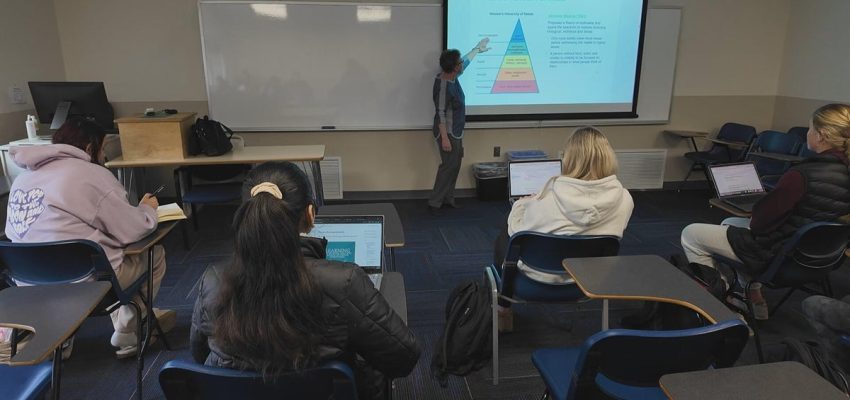
Amidst this national challenge, local communities are stepping up with creative solutions. One shining example is Delaware County, Pennsylvania, which has launched an innovative Future Educators Program. This initiative aims to tackle the teacher shortage head-on by engaging high school students, offering them a direct pathway and an early start toward a teaching career. It’s a pragmatic, pipeline-building strategy that recognizes the value of early exposure and practical experience.
The program, a collaborative effort involving various school districts, is designed to identify and nurture interest in teaching among students as early as possible. Imagine a high school senior, still navigating their educational journey, being granted a front-row seat to the profession they might one day join. Through partnerships with local colleges and universities, students in the Future Educators Program can earn college credits while still in high school, giving them a significant head start. This not only lightens their future financial burden but also provides them with a tangible academic advantage.
Beyond academic benefits, the program emphasizes real-world experience. Students are given opportunities for hands-on observation and even direct engagement within classrooms, shadowing experienced teachers and gaining invaluable insights into the daily life of an educator. This mentorship component is crucial; it allows aspiring teachers to build relationships with seasoned professionals, ask questions, and understand the nuances of the role beyond theoretical knowledge. They learn about classroom management, curriculum delivery, student engagement strategies, and the emotional intelligence required to connect with diverse learners. This direct exposure helps demystify the profession and often solidifies a student’s commitment, transforming abstract interest into a concrete career path.
Financial incentives also play a significant role in making this program attractive and viable. Discussions around scholarships and tuition assistance for participants help alleviate one of the major barriers to entry into teaching. By proactively addressing the financial strain of higher education, the program makes a career in education more accessible, particularly for students who might otherwise be deterred by costs. This holistic approach – combining academic preparation, practical experience, mentorship, and financial support – creates a robust framework for cultivating the next generation of educators. It’s an investment in human capital that promises significant long-term returns for the entire community, directly confronting the scarcity of educators by building a strong local talent pool.
### Beyond Recruitment: Reimagining the Teaching Profession for Tomorrow
The success of programs like Delaware County’s Future Educators is undeniably encouraging, but addressing the teacher shortage requires a broader vision. Recruitment is only one piece of a complex puzzle; retention is equally critical. We must move beyond simply attracting new talent and actively work to create a profession that is sustainable, rewarding, and respected. This means reimagining the teaching profession itself, leveraging insights and even technologies that can support and empower educators, rather than viewing them as potential replacements.
Consider how AI, for instance, could augment rather than diminish the teacher’s role. Imagine intelligent tutoring systems that provide personalized feedback to students, freeing up teachers to focus on higher-level conceptual understanding and emotional development. AI-powered tools could automate grading of routine assignments, analyze student performance data to identify learning gaps, or even help administrative tasks, allowing teachers to dedicate more time to instruction and student interaction. This isn’t about replacing the irreplaceable human element of teaching, but about offloading the repetitive or data-intensive aspects, thereby enhancing efficiency and reducing burnout. Such applications could help make the teaching profession more manageable and attractive, retaining experienced educators longer.
Furthermore, policy reforms are essential. This includes advocating for competitive salaries, robust professional development opportunities, and supportive school environments that prioritize teacher well-being. Flexible scheduling options, clearer career advancement paths, and opportunities for specialization can also make the profession more appealing. We must also foster a culture that deeply values educators, recognizing their profound impact on society. This societal shift is crucial for attracting and retaining top talent, ensuring that the best and brightest minds are drawn to, and remain in, the classroom.
Drawing parallels from other industries facing workforce challenges, innovation often involves not just new methods of recruitment but a fundamental rethinking of the work environment and support structures. Just as tech companies continually evolve their platforms to attract and retain talent, so too must the education sector evolve its approach to the instructional staff gaps. The Delaware County program is a commendable example of proactive localized solutions. To truly turn the tide on the teacher shortage, these localized efforts must be scaled, supported by systemic changes at state and national levels, and complemented by thoughtful integration of supportive technologies that elevate the human element of teaching rather than diminish it.
The future of education hinges on our ability to ensure a consistent supply of passionate, well-prepared teachers. Initiatives like Delaware County’s Future Educators Program offer a concrete, actionable blueprint for addressing this urgent need. By investing in our youth and proactively guiding them towards teaching careers, we are not just filling vacancies; we are securing the intellectual capital and foundational skills necessary for a thriving future, one where human potential is fully realized, and innovation continues to flourish.
In conclusion, the challenge of the teacher shortage is a complex, multi-faceted issue that demands our attention and innovative spirit. It’s a crisis that, if unaddressed, threatens the very core of our progress. However, as demonstrated by the proactive efforts in Delaware County, solutions are emerging from within our communities. By identifying passionate young individuals early, providing them with meaningful mentorship, practical experience, and alleviating financial burdens, we can rebuild the pipeline of skilled educators that our society so desperately needs.
This is more than just about filling job openings; it’s about investing in the future of human ingenuity and critical thought. As we continue to push the boundaries of technology, let us not forget that the most powerful engines of progress are human minds, shaped and inspired by dedicated teachers. Supporting and valuing the teaching profession is not merely a philanthropic endeavor; it is a strategic imperative for any nation aspiring to lead in the 21st century and beyond. The collective effort to champion education will define our capacity for future innovation and societal resilience.