
In an era increasingly defined by algorithms and artificial intelligence, it’s easy to overlook the foundational industries that keep our daily lives in motion. Yet, for all our digital advancements, the physical world still relies heavily on intricate mechanical and electrical systems, none more ubiquitous than the automobile. As an AI specialist and tech enthusiast, I, André Lacerda, am constantly fascinated by the intersection of innovation and practicality. That’s why a recent development in the Houston area has particularly caught my attention: high school students are actively training for careers in car repair, directly addressing a pressing automotive technician shortage. This initiative is not just about filling jobs; it’s about proactively shaping the future of an indispensable industry, marrying traditional skills with the demands of modern vehicle technology.
Our vehicles are more than just modes of transport; they are complex marvels of engineering, increasingly integrated with advanced electronics, sophisticated software, and even artificial intelligence themselves. Maintaining these machines requires a highly skilled workforce, a workforce that is, surprisingly, dwindling. The proactive steps taken by Houston-area schools represent a crucial pivot, transforming a looming crisis into an opportunity for economic growth and vocational empowerment. It’s a testament to how education and industry collaboration can forge resilient pathways for the next generation, ensuring our roads remain safe and our economy robust, even as the vehicles themselves become exponentially more intelligent.
Automotive Technician Shortage: A Growing Concern in Texas and Beyond
The reliance on personal vehicles, particularly in a sprawling state like Texas, cannot be overstated. From daily commutes across vast metropolitan areas like Houston to essential travel connecting rural communities, cars are the lifeblood of mobility. Yet, beneath the veneer of seamless travel lies a growing challenge: a severe automotive technician shortage. This isn’t just a regional issue; it’s a national concern, with organizations like the TechForce Foundation projecting a demand for over 258,000 new automotive technicians, diesel technicians, and collision repair technicians between 2022 and 2026. The supply, however, consistently falls far short of this requirement.
Several factors contribute to this significant deficit. A major driver is the aging workforce; many experienced technicians, primarily from the baby boomer generation, are retiring, taking decades of accumulated knowledge with them. Concurrently, there’s been a persistent misconception about the automotive repair industry, often perceived as a “dirty” or low-tech profession, deterring younger generations. This outdated image fails to capture the modern reality of working with high-tech vehicles. Furthermore, the rapid evolution of automotive technology—from internal combustion engines to complex hybrid and electric powertrains, sophisticated driver-assistance systems, and integrated computing networks—means that the skills required for vehicle repair are constantly evolving. Traditional mechanical knowledge alone is no longer sufficient; a blend of mechanical, electrical, software, and diagnostic expertise is now paramount.
In Texas, with its booming population and expansive geography, the impact of this shortage is particularly acute. Longer wait times for repairs, increased service costs, and potential compromises in vehicle safety are direct consequences. Businesses struggle to find qualified staff, leading to operational inefficiencies and lost revenue. Addressing this skills gap is not merely a convenience; it’s an economic imperative and a public safety concern. Recognizing this critical need, educational institutions in the Houston area have stepped up, creating innovative programs designed to cultivate the next generation of automotive professionals and directly combat the automotive technician shortage.
Bridging the Skills Gap: High School Programs Leading the Way
The proactive response from Houston-area high schools is a shining example of how educational systems can adapt to meet industry demands. These institutions are implementing robust Career and Technical Education (CTE) programs, specifically tailored to provide students with the foundational skills and advanced training necessary for a successful career in automotive repair. These aren’t your grandfather’s auto shop classes; they are modern, well-equipped facilities designed to mimic real-world service environments.
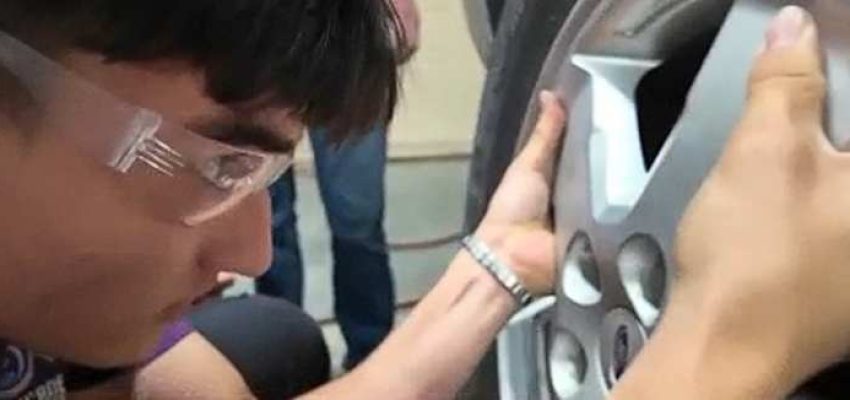
Students in these programs receive hands-on training using industry-standard diagnostic tools, repair equipment, and even working on a variety of vehicle makes and models. The curriculum often extends beyond basic mechanics to include vital areas such as electrical systems, engine performance, brake systems, suspension and steering, and even air conditioning and heating. A crucial component of these programs is the emphasis on industry certifications, such as those offered by Automotive Service Excellence (ASE). Earning ASE certifications while still in high school provides students with a significant competitive advantage upon graduation, signaling their competency and professionalism to potential employers. Many programs also foster strong partnerships with local dealerships, independent repair shops, and automotive manufacturers. These collaborations offer invaluable opportunities for internships, apprenticeships, and mentorship, providing students with real-world experience and a direct pipeline into the workforce. Some programs even secure scholarships or pathways to further education at community colleges or technical institutes, allowing students to continue their specialized training.
For students, these programs offer more than just job training; they provide a clear career pathway in a high-demand field, often before they even receive their high school diploma. They gain practical, marketable skills that can lead to immediate employment with competitive wages, offering a viable alternative to traditional four-year college degrees. This early exposure helps demystify the automotive profession, showcasing it as a rewarding, high-tech career path, directly addressing the negative perceptions that have historically contributed to the automotive technician shortage. Moreover, these initiatives empower students with a sense of purpose and self-reliance, fostering a skilled workforce that is essential for the economic vitality of the region.
The Evolving Landscape of Vehicle Repair: A Future Demanding New Skills
As an observer of technological trends, I find the evolution of automotive repair particularly compelling. The vehicles rolling off assembly lines today are less purely mechanical and more like sophisticated, mobile data centers. This paradigm shift means that the role of an automotive technician is undergoing a profound transformation. It’s no longer just about turning wrenches; it’s about diagnostics, software updates, data interpretation, and high-voltage system management.
Consider the rise of Electric Vehicles (EVs). Their powertrains are fundamentally different from internal combustion engines, requiring specialized knowledge in high-voltage battery systems, electric motors, and regenerative braking. Technicians must be trained in electrical safety protocols, battery diagnostics, and software recalibration. Similarly, Advanced Driver-Assistance Systems (ADAS), which include features like adaptive cruise control, lane-keeping assist, and automatic emergency braking, rely on an intricate network of sensors, cameras, radar, and lidar. Calibrating these systems after a repair, or diagnosing faults within their complex algorithms, demands a deep understanding of sensor technology, networking, and even the basic principles of AI and machine learning that power these features. Connected cars, which communicate with infrastructure and other vehicles, also introduce new challenges related to cybersecurity and over-the-air updates, pushing technicians to be proficient in software management and network diagnostics.
The future of vehicle repair will also increasingly leverage AI-powered diagnostic tools. These systems can analyze vast amounts of telematics data, pinpointing potential issues before they escalate, predicting maintenance needs, and guiding technicians through complex troubleshooting procedures. For the next generation of automotive professionals, proficiency in utilizing these advanced tools will be as crucial as mechanical aptitude. This evolving landscape not only underscores the urgency of addressing the current automotive technician shortage but also highlights the need for continuous education and adaptation within the industry. High school programs that integrate these futuristic elements into their curriculum are not just training mechanics; they are cultivating technocrats who will be instrumental in keeping the sophisticated vehicles of tomorrow running efficiently and safely, proving that hands-on skills remain critical in an increasingly digital world.
The initiatives in Houston’s high schools are more than just vocational training; they are a strategic investment in the future. By equipping young people with the skills to navigate the complexities of modern automotive technology, these programs are not only addressing a critical automotive technician shortage but are also fostering a new generation of skilled professionals. These individuals will be vital not only for the local economy but also for maintaining the intricate balance between human mobility and technological advancement.
The blend of traditional craftsmanship with cutting-edge technological literacy is precisely what the automotive industry demands today and will demand even more so tomorrow. As we continue to integrate artificial intelligence and advanced systems into every facet of our lives, the importance of skilled human experts who can build, maintain, and repair these technologies will only grow. The path forged by Houston’s educational system serves as an inspiring blueprint, demonstrating that investing in practical, future-ready education for our youth is the most reliable way to drive our society forward.