
The human journey is often fraught with missteps, challenges, and the profound need for a second chance. For individuals who have spent time within the correctional system, the path to reintegration into society can be particularly daunting, marked by societal stigma, significant employment barriers, and a lack of essential skills. Yet, across the United States, forward-thinking states like Maine are pioneering initiatives that offer a beacon of hope, demonstrating a commitment not just to punishment, but to true societal restoration. As an AI specialist and a keen observer of human potential, I find the premise of **inmate rehabilitation programs** not only ethically compelling but also strategically vital for a thriving, future-ready society. These programs are not merely about ‘fixing’ individuals; they are about unlocking latent capabilities, fostering personal growth, and ultimately, building stronger communities from the ground up.
The challenge of successful reintegration is immense. Studies consistently show that individuals released from prison face an uphill battle. A Bureau of Justice Statistics report indicated that within five years of release, approximately 75% of former inmates are re-arrested. This cycle of incarceration, release, and recidivism carries a monumental cost – not just in taxpayer dollars, but in human potential, fractured families, and diminished community safety. It’s a stark reminder that punitive measures alone are insufficient. We must look beyond the walls of correctional facilities and invest in comprehensive solutions that address the root causes of re-offending, chief among them the lack of marketable skills and stable employment. Maine, through its various programs, stands as a testament to the belief that with the right tools, education, and support, individuals can transcend their past mistakes and contribute meaningfully to society. This isn’t just social work; it’s an investment in human capital, a strategic move towards a more resilient and equitable future, one where technology, including advanced AI, can play an increasingly pivotal role in optimizing these pathways to purpose.
### Inmate Rehabilitation Programs: A Pathway to Purpose and Progress
At the heart of any effective correctional system lies the understanding that true justice encompasses not only accountability but also restoration. **Inmate rehabilitation programs** represent this critical shift in philosophy, moving beyond mere incarceration to actively equip individuals with the skills, knowledge, and self-worth necessary for a successful return to society. The hurdles post-incarceration are formidable. Beyond the official records, individuals often grapple with a significant employment gap, outdated skills, and a fundamental lack of understanding of the modern job market. Many also face deep-seated psychological challenges, including trauma, addiction, and mental health issues, which can impede their ability to learn and adapt.
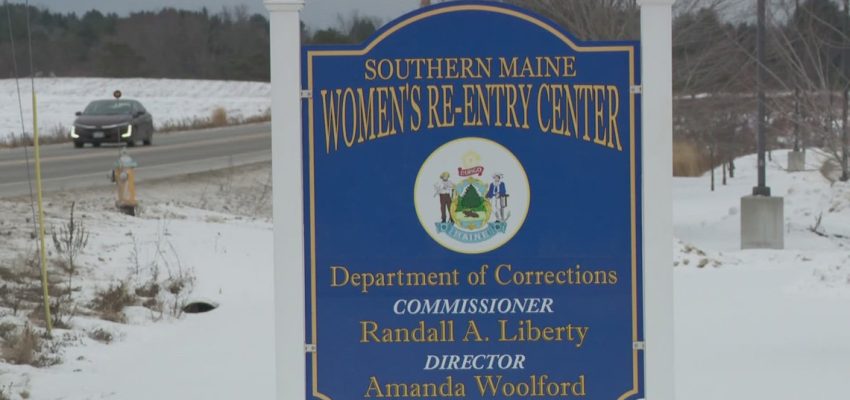
Maine’s efforts, exemplified by programs often run in collaboration with local community colleges, vocational schools, and non-profit organizations, aim to dismantle these barriers systematically. These initiatives typically encompass a broad spectrum of educational and vocational training. From basic literacy and GED courses to advanced certifications in trades like welding, carpentry, electrical work, and even digital literacy, the goal is to provide tangible skills that meet current industry demands. For instance, vocational programs in correctional facilities can provide hands-on experience that directly translates to in-demand jobs in construction, manufacturing, or automotive repair—sectors often experiencing labor shortages. Imagine an individual emerging from incarceration with a nationally recognized certification in HVAC repair or advanced manufacturing techniques. Their prospects for gainful employment soar, dramatically reducing the likelihood of returning to illicit activities.
Furthermore, many modern **inmate rehabilitation programs** go beyond vocational skills, integrating life skills training crucial for independent living. This includes financial literacy, resume writing, interview preparation, conflict resolution, and even parenting skills. These holistic approaches acknowledge that successful reintegration is multifaceted, requiring not just a job, but the complete toolkit for stable, productive citizenship. The long-term societal benefits are substantial. Reduced recidivism translates directly into safer communities and significant cost savings in law enforcement, judicial processes, and incarceration expenses. Economically, employed former inmates contribute to the tax base, reduce reliance on social services, and fill vital labor gaps, injecting new life into local economies. From a purely economic standpoint, investing in rehabilitation is often far more cost-effective than perpetuating cycles of incarceration. Moreover, it affirms a fundamental principle: that everyone, regardless of past mistakes, holds the potential for transformation and positive contribution.
### Bridging the Digital Divide and Empowering Through Skill Acquisition
In our rapidly evolving, technology-driven world, the concept of **inmate rehabilitation programs** must expand to incorporate digital literacy and future-proof skills. The digital divide within correctional facilities is a significant concern; while the outside world charges forward with AI, automation, and hyper-connectivity, many inmates are cut off from even basic technological advancements. This isolation only exacerbates their reintegration challenges, as a vast majority of modern jobs require at least foundational computer skills.
Progressive rehabilitation programs are beginning to tackle this head-on. Initiatives are emerging that teach inmates not just how to use a computer, but to understand basic coding, data entry, and digital design. Imagine a program where inmates learn to manage databases, develop simple websites, or participate in AI-assisted data labeling projects. While the security implications of introducing technology into prisons are complex and require careful planning, the potential rewards are immense. AI, for example, could be leveraged in educational platforms within a secure environment. AI-powered personalized learning systems could adapt to each inmate’s pace and learning style, identifying areas where they struggle and providing targeted interventions. Virtual reality (VR) simulations could offer immersive, hands-on training for complex tasks in safe, controlled settings, allowing inmates to practice welding, operate heavy machinery, or even conduct mock job interviews without physical risk or expensive equipment.
Moreover, the very nature of work is shifting, accelerated by advancements in artificial intelligence. Repetitive tasks are increasingly automated, while roles requiring critical thinking, problem-solving, and digital proficiency are growing. Therefore, equipping individuals with skills in areas like data analysis, cybersecurity fundamentals, or advanced software applications, even at an introductory level, prepares them for a resilient career path in the AI-driven economy. Programs could also focus on entrepreneurial skills, teaching inmates how to identify market needs, develop business plans, and navigate the digital tools necessary to launch small businesses upon release. This kind of forward-thinking approach transforms former inmates from societal burdens into economic contributors, innovators, and even job creators, fostering a self-sustaining cycle of progress. It’s about providing the intellectual infrastructure for a future that is, in many ways, already here.
### The Societal Dividend: Beyond Individual Transformation
The impact of robust **inmate rehabilitation programs** extends far beyond the individual beneficiaries; it creates a profound societal dividend that ripples through communities, strengthening the very fabric of our shared future. When a former inmate successfully reintegrates, secures stable employment, and becomes a contributing member of society, the positive effects are manifold. For families, it means a parent returning home with newfound purpose, potentially breaking cycles of intergenerational incarceration. Children of incarcerated parents are significantly more likely to become involved in the criminal justice system themselves; effective rehabilitation can disrupt this tragic pattern, fostering hope and stability for future generations.
Economically, the benefits are undeniable. An employed individual pays taxes, reduces reliance on social welfare programs, and participates in local economies as a consumer. This directly translates into increased prosperity for communities. Furthermore, by reducing recidivism, these programs alleviate the immense financial strain on the justice system, freeing up resources that can be reallocated to other vital public services like education, healthcare, or infrastructure development. It’s an investment that pays itself back many times over, transforming correctional budgets from purely cost centers into engines of societal return.
Beyond the tangible economic and social metrics, there’s an invaluable human element. Communities become safer when fewer individuals are returning to criminal behavior. There’s a moral imperative in offering individuals a chance to atone, to learn, and to grow. As an AI specialist, I often think about optimization and efficiency; from a societal perspective, maximizing human potential, even for those who have stumbled, is the ultimate optimization challenge. By investing in education and vocational training within correctional facilities, we are not only rehabilitating individuals but also demonstrating a commitment to human dignity and the belief in second chances. This commitment fosters a more compassionate and inclusive society, one that recognizes the inherent worth and capacity for transformation in every individual, harnessing every available talent to build a more robust and innovative future for all.
The transformative power of **inmate rehabilitation programs** is undeniably profound. They serve as a testament to the belief that every individual possesses the capacity for change, growth, and meaningful contribution. By equipping individuals with education, vocational skills, and vital life tools, these programs pave a path away from the cycle of incarceration and towards productive citizenship. The success stories, though often quiet and unheralded, are powerful demonstrations of resilience and the human spirit’s ability to overcome adversity. They are a stark reminder that true justice is not solely about punishment, but about the opportunity for redemption and the rebuilding of lives.
As we look to the future, it is imperative that we continue to invest in and innovate within these crucial programs. Leveraging technology, including the responsible and ethical integration of AI, holds immense potential to personalize learning, broaden access to essential skills, and enhance the overall effectiveness of rehabilitation efforts. By embracing a holistic approach that prioritizes education, skill development, and societal reintegration, we not only empower individuals to forge new futures for themselves but also strengthen the very foundations of our communities, creating a more secure, prosperous, and equitable society for everyone. The journey beyond bars is a collective endeavor, and one that promises invaluable returns for all who choose to walk it together.