
In an era increasingly defined by rapid technological advancements and the ever-evolving demands of the global market, the foundational pillars of our economy often remain rooted in the skilled hands that build, maintain, and innovate. While much attention rightly focuses on emerging fields like artificial intelligence and biotechnology, the indispensable role of vocational training and technical education continues to be a driving force for regional prosperity. This is particularly evident in communities poised for growth, where educational institutions are actively bridging the gap between talent and demand. One such beacon of opportunity is the University of Arkansas Hope-Texarkana (UAHT), which stands at the forefront of preparing the next generation of skilled professionals.
As André Lacerda, an AI specialist and tech enthusiast, I’m often captivated by the future-forward aspects of technology. Yet, I am equally passionate about the practical applications of innovation and the fundamental importance of a robust, well-trained workforce. The story unfolding at UAHT in Hope, Arkansas, is a compelling narrative of foresight and dedication—a commitment to equipping individuals with tangible skills for careers that are not only financially rewarding but also crucial for the economic health of entire regions. The institution is not just offering courses; it’s meticulously cultivating a talent pipeline for jobs already waiting, actively shaping the economic landscape of southwest Arkansas and northeast Texas.
Workforce Development: A Pillar of Regional Prosperity
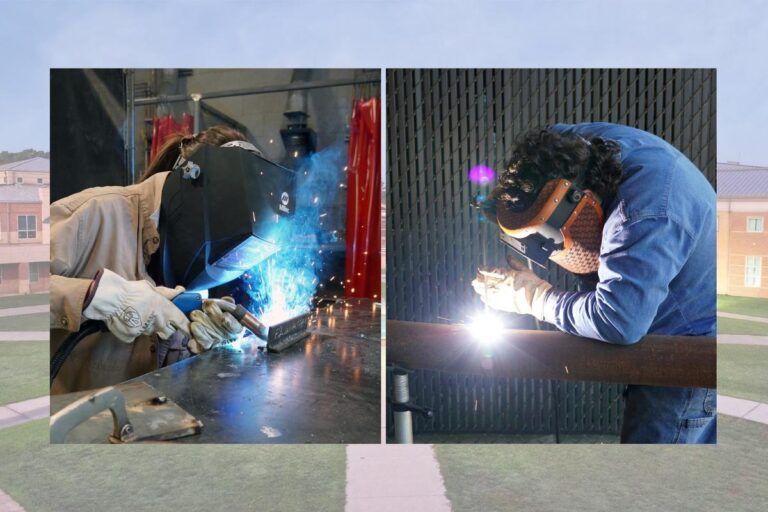
The concept of workforce development is far more than a buzzword; it is a critical strategy for sustainable economic growth, particularly in regions that are home to thriving industrial and manufacturing sectors. For areas like southwest Arkansas and northeast Texas, characterized by a diverse economic base that includes significant contributions from manufacturing, energy, and agriculture, the continuous supply of skilled labor is non-negotiable. UAHT has acutely recognized this demand, proactively establishing programs designed to train welders, electricians, and industrial maintenance workers—professions that are the very backbone of modern industry.
The national landscape reveals a persistent and growing shortage of skilled trades workers. Projections from organizations like the National Association of Manufacturers highlight millions of unfilled manufacturing jobs in the coming decade, many requiring specialized technical skills. This scarcity is exacerbated by an aging workforce, with many experienced professionals approaching retirement, creating a significant void that needs to be filled. Institutions like UAHT are stepping into this breach, offering pathways to high-demand careers that often provide competitive wages, excellent benefits, and job security, all without the traditional four-year degree requirement. This accessibility makes technical education an incredibly attractive and vital option for a diverse range of students seeking rapid entry into a stable career.
What makes UAHT’s approach particularly effective is its strong connection to local industry needs. Unlike generic vocational training, the programs offered are tailored to the specific requirements of businesses in their service area. This deep engagement ensures that graduates possess precisely the skills employers are seeking, leading to high placement rates and immediate contributions to the local economy. This synergy between education and industry creates a virtuous cycle: businesses thrive with a reliable talent pool, communities benefit from increased employment and economic activity, and individuals find meaningful, well-paying careers close to home. It’s a powerful example of how targeted vocational training fuels comprehensive economic empowerment, transforming individual lives and regional prospects.
Cultivating Expertise: The Modern Tradesman and Technician
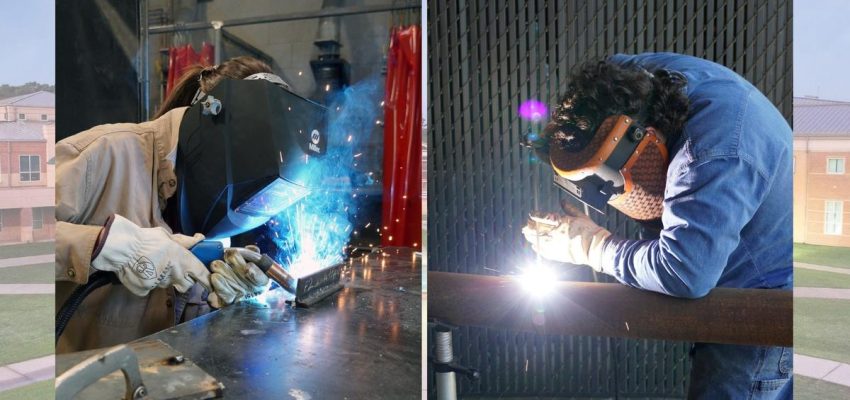
The image of the “tradesman” has evolved dramatically over the decades. Today’s welders, electricians, and industrial maintenance technicians are not merely manual laborers; they are highly skilled professionals operating sophisticated equipment, interpreting complex blueprints, applying advanced diagnostic tools, and often interacting with digital systems. Modern welding, for instance, can involve robotic applications, specialized alloys, and intricate fabrication techniques demanding precision and a deep understanding of metallurgy. Electrical work extends far beyond basic wiring, encompassing smart home systems, renewable energy installations, industrial controls, and the ever-growing complexities of the grid.
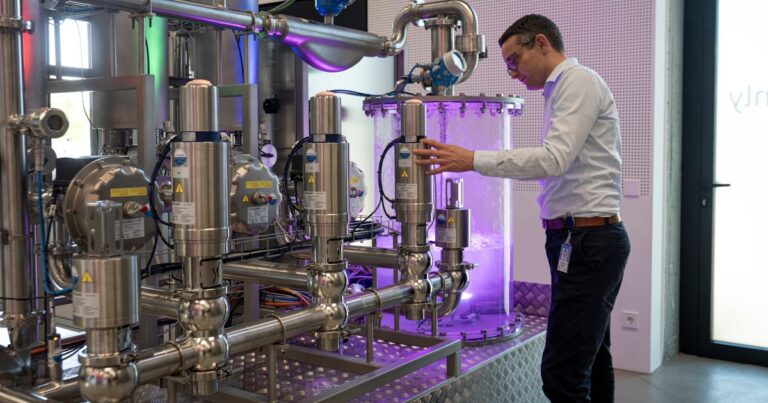
Industrial maintenance, in particular, has transformed into a high-tech field. Technicians are no longer just fixing machines with wrenches; they’re utilizing predictive analytics, performing sensor-based diagnostics, and integrating computerized maintenance management systems (CMMS). They must understand mechanical, electrical, hydraulic, and pneumatic systems, often troubleshooting complex integrated machinery found in automated factories. This blend of traditional craftsmanship with cutting-edge technology underscores the rigorous and comprehensive nature of the training provided at institutions like UAHT. Students are equipped not just with hands-on skills but also with critical thinking abilities, problem-solving techniques, and an understanding of safety protocols that are paramount in industrial settings.
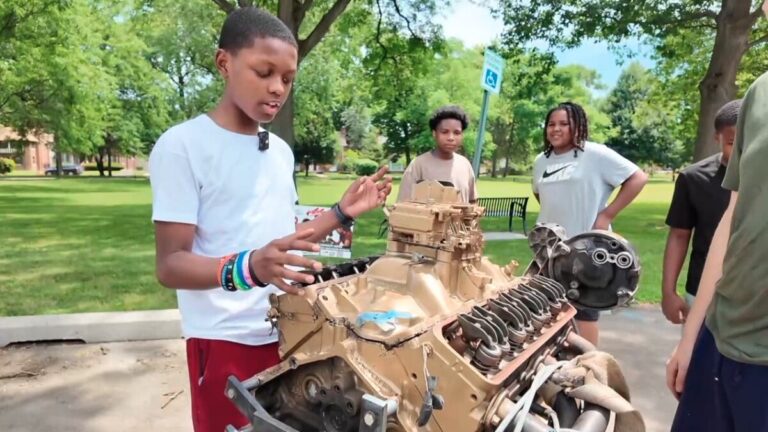
UAHT’s commitment to practical, hands-on learning is central to its success. Their facilities likely mirror modern industrial environments, complete with state-of-the-art equipment that students will encounter in their future workplaces. This experiential learning model ensures that graduates are not only theoretically knowledgeable but also operationally proficient from day one. Furthermore, many such programs integrate apprenticeship opportunities or internships, allowing students to gain real-world experience, build professional networks, and often transition directly into full-time employment upon graduation. This holistic approach to skill development is essential for producing truly job-ready professionals who can immediately contribute to the productivity and innovation of regional industries, thereby reinforcing ongoing workforce development efforts.
A Strategic Investment in Human Capital
Beyond individual career pathways, the impact of UAHT’s initiatives resonates throughout the regional economy. When a significant portion of the local population is gainfully employed in high-demand fields, the economic ripple effects are substantial. Increased tax revenues support public services, higher disposable incomes stimulate local businesses, and reduced unemployment rates contribute to overall community stability and well-being. Furthermore, a skilled labor pool acts as a magnet for new businesses and industries looking to relocate or expand, creating even more job opportunities and diversifying the economic base. This strategic investment in human capital through technical education is a proven catalyst for enduring prosperity.
The educational model championed by UAHT also addresses broader societal challenges. By offering accessible and affordable training, it provides pathways to economic mobility for individuals who might otherwise face barriers to entry into high-paying professions. It empowers local residents, often from rural communities, to build fulfilling careers without having to leave their homes or incur massive student debt. This localized approach to talent cultivation strengthens community ties and fosters a sense of collective progress. In a world increasingly focused on global competition, the ability to cultivate and retain a highly skilled local workforce is an invaluable asset, driving innovation and resilience against economic fluctuations.
As an AI specialist, I recognize that even with the advent of advanced automation, the need for human expertise in installing, maintaining, and troubleshooting complex systems will only grow. The skills taught at UAHT—precision welding, intricate electrical system management, and sophisticated industrial diagnostics—are foundational and often augmented by new technologies rather than replaced by them. These roles are critical for ensuring that our infrastructure functions, our factories operate efficiently, and our modern conveniences remain uninterrupted. Therefore, initiatives like those at UAHT are not just about training for today’s jobs but about preparing a resilient and adaptable workforce for the challenges and opportunities of tomorrow, making them indispensable components of comprehensive workforce development strategies.
Conclusion
The University of Arkansas Hope-Texarkana exemplifies how strategic technical education can serve as a powerful engine for regional economic growth and individual empowerment. By directly addressing the critical demand for welders, electricians, and industrial maintenance workers, UAHT is not merely filling job vacancies; it is actively shaping the future of communities in southwest Arkansas and northeast Texas. This commitment to practical, industry-aligned training ensures that graduates are not only prepared for immediate employment but are also equipped with adaptable skills that will serve them well throughout their careers in an ever-evolving technological landscape. It’s a testament to the idea that investing in human potential, through focused and relevant education, yields profound and lasting dividends for everyone.
As we look to the future, the model demonstrated by UAHT underscores a vital truth: technological progress, while transformative, must always be supported by a robust foundation of skilled human talent. The synergy between innovative educational institutions and responsive local industries creates a dynamic ecosystem where individuals can thrive, businesses can prosper, and entire regions can achieve sustained economic vitality. The proactive approach to workforce development seen in Hope, Arkansas, is a blueprint for success, demonstrating the enduring value of hands-on expertise in building a stronger, more resilient future for all.