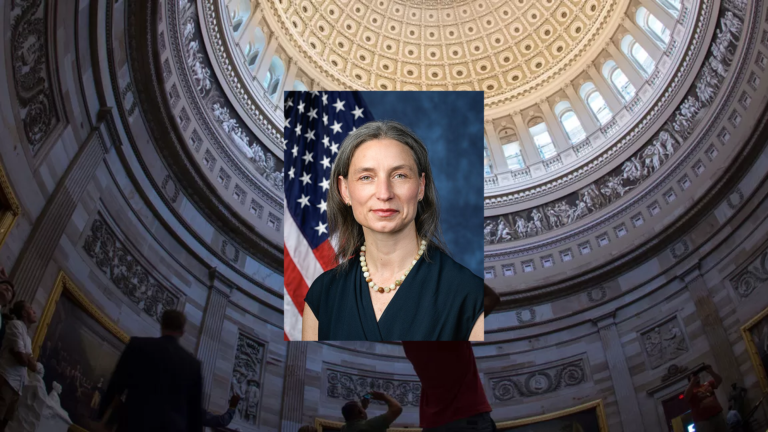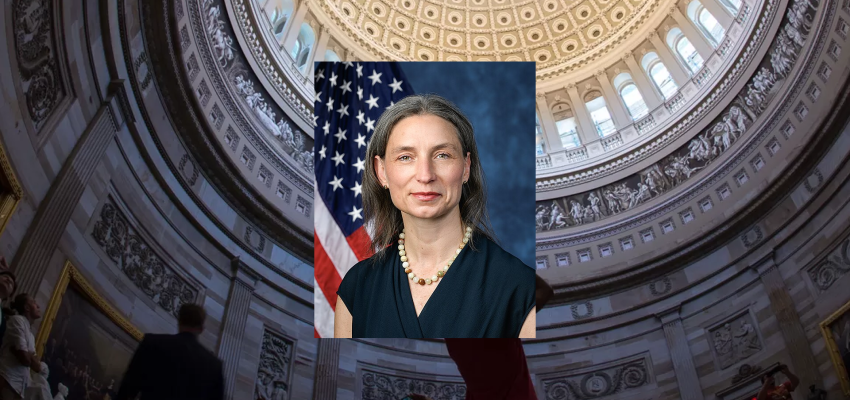

In an era defined by rapid technological advancements and evolving societal needs, the efficient allocation of skilled human capital is paramount. From optimizing supply chains with AI to streamlining data analytics for better decision-making, the core principle remains: how do we leverage existing talent to meet critical demands? This question resonates deeply within the healthcare sector, particularly concerning our nation’s veterans. It’s against this backdrop that Representative Maxine Dexter introduces a crucial piece of legislation: H.R. 9140, formally known as the ‘Medic Education and Deployment Into Civilian Careers Act of 2026’.
Introduced on June 4, 2026, this bill, which currently has one cosponsor, targets a persistent challenge: the often-complex pathway for highly trained military medics to integrate their invaluable skills into civilian healthcare roles. As an AI specialist and tech enthusiast, I’m always fascinated by systems that seek to optimize processes and unlock potential. This bill, while not directly tied to AI, embodies the spirit of intelligent design – identifying a bottleneck in human resource deployment and proposing a structured solution. It’s about recognizing a national asset in our service members and strategically deploying them where they are most needed, enhancing both their career prospects and the overall health infrastructure of our communities. Let’s delve into what this proposed act signifies for our veterans, our healthcare system, and the broader implications of smart workforce integration.
Military Medic Transition: Bridging the Skill Gap
The journey from military service to civilian life is multifaceted, often presenting unique challenges for veterans in translating their extensive training and experiences into recognized civilian qualifications. For military medics, this challenge is particularly acute and, frankly, perplexing. These individuals are trained under some of the most rigorous and high-pressure conditions imaginable, acquiring a diverse skill set that includes advanced trauma care, emergency medicine, minor surgical procedures, and prolonged field care. They often operate with limited resources in austere environments, making critical decisions that save lives. Their practical experience, problem-solving abilities, and composure under duress are unparalleled.
However, despite this exceptional training, many military medics encounter significant hurdles when attempting to enter the civilian healthcare workforce. State-specific licensing requirements, variations in scopes of practice, and the often-lengthy processes for credentialing can create a frustrating labyrinth. For instance, a combat medic who has performed life-saving interventions on the battlefield might find their military certifications insufficient for direct employment as a paramedic or registered nurse without substantial additional schooling, which can be costly and time-consuming. This disconnect represents a significant loss of potential for both the individual and the healthcare system. Estimates suggest that thousands of veterans with medical training return home each year, and a substantial portion struggle to find direct application for their advanced skills due to these bureaucratic and regulatory barriers.
The core objective of the ‘Medic Education and Deployment Into Civilian Careers Act of 2026’ is to directly address this skill gap and streamline the military medic transition. While the specific details of the bill’s provisions will emerge as it progresses, the summary indicates a focus on “improving the opportunities available for medics.” This likely entails provisions for accelerated credentialing pathways, standardized recognition of military training, and perhaps even targeted educational programs designed to bridge the specific gaps between military and civilian medical standards. Consider the potential impact: a veteran who served multiple tours as a medic, accumulating thousands of hours of hands-on experience, could potentially bypass redundant training, save years of education, and enter the workforce much faster, bringing their invaluable real-world expertise directly to patient care in civilian hospitals, clinics, and emergency services. This isn’t just about jobs; it’s about leveraging existing, high-quality human capital efficiently and intelligently.
Beyond the Battlefield: The Economic and Healthcare Imperative
The urgency behind legislation like H.R. 9140 is underscored by compelling economic and healthcare realities. Across the United States, healthcare systems face persistent and growing workforce shortages. An aging population, coupled with increased demand for services and the lingering effects of the recent global pandemic, has exacerbated these strains. Nurses, paramedics, medical assistants, and other allied health professionals are in high demand, particularly in rural and underserved areas. Filling these critical roles quickly and effectively is not merely a matter of convenience; it is a public health imperative.
By facilitating the military medic transition into civilian roles, H.R. 9140 offers a dual solution. Firstly, it provides meaningful, high-demand career pathways for veterans, reducing veteran unemployment and underemployment rates. Veterans bring not only specific skills but also a disciplined work ethic, leadership qualities, and a commitment to service that are invaluable assets to any team. Empowering them to seamlessly transition their careers translates into stronger local economies and a more stable, productive workforce. Secondly, and perhaps more critically, it injects a highly skilled and experienced cohort of professionals directly into the civilian healthcare ecosystem. Imagine the impact of having thousands of additional, highly competent medics, already proficient in life-saving techniques and emergency response, bolstering emergency rooms, community clinics, and long-term care facilities.
This bill represents a strategic investment in both our veterans and our national health infrastructure. It acknowledges the significant public funds already invested in training these military personnel and seeks to maximize that return on investment. Rather than allowing valuable skills to atrophy or go unrecognized, the act aims to create a more fluid and intelligent pipeline from military service to civilian contribution. The benefits extend beyond immediate job placement; it fosters a culture of valuing and integrating military experience, setting a precedent for other sectors that might benefit from similar talent pipelines. It also serves as a powerful testament to the nation’s commitment to supporting its veterans beyond their active duty, ensuring their continued contributions to society.
The Role of Innovation and Digital Pathways in Career Reintegration
While H.R. 9140 is a legislative solution, its success in optimizing the military medic transition will undoubtedly be amplified by the strategic integration of modern technology and innovative approaches. In our increasingly digital world, the principles of efficiency and optimization that drive artificial intelligence and data science can be applied to complex human capital challenges. Imagine a future where the transition process is not just streamlined by policy, but also accelerated and personalized by technology.
For instance, digital credentialing platforms could provide a secure, standardized, and easily verifiable record of a veteran’s military training and experience. Instead of navigating disparate state boards with paper certificates, a veteran could present a digital ‘skill passport’ that dynamically translates their military specializations into recognized civilian equivalents. Furthermore, AI-powered systems could play a role in skill-matching, analyzing a veteran’s detailed military medical training against a comprehensive database of civilian healthcare job requirements, identifying precise gaps that need to be filled, and suggesting tailored educational modules or certifications. This personalized approach could drastically reduce the time and cost associated with additional schooling, ensuring that veterans only undertake the most relevant training.
Online learning platforms, already a cornerstone of modern education, could be specifically designed to offer these gap-filling modules, delivered flexibly to accommodate veterans’ schedules. Telehealth and virtual simulation technologies could provide immersive training experiences, allowing medics to practice civilian protocols and build confidence in new settings without the need for extensive in-person clinical rotations that might be geographically limiting. Data analytics could also be deployed to track the success of various transition programs, identify best practices, and continuously refine the pathways for military veterans. By understanding which interventions yield the best employment outcomes, policymakers and educators can make data-driven decisions to further enhance the act’s effectiveness.
Ultimately, the ‘Medic Education and Deployment Into Civilian Careers Act of 2026’ represents more than just a legislative change; it’s an opportunity to apply principles of intelligent system design to a critical societal need. By embracing innovation, from digital infrastructure to data-driven insights, we can ensure that the transition for military medics is not just possible, but truly optimized, efficient, and equitable. This approach aligns perfectly with the ethos of a tech-forward society that values both human potential and systemic excellence.
H.R. 9140, the ‘Medic Education and Deployment Into Civilian Careers Act of 2026’, stands as a testament to the ongoing commitment to support our nation’s heroes and strengthen our healthcare system. By addressing the systemic barriers that have historically hindered the seamless military medic transition into civilian roles, this bill offers a pragmatic and powerful solution. It acknowledges the immense value of military medical training, providing a structured pathway for these highly skilled individuals to continue their invaluable service in our communities. The benefits ripple outwards, empowering veterans with fulfilling careers, bolstering our healthcare workforce, and ultimately enhancing the well-being of the entire nation.
As this bill progresses, it will be crucial to ensure that its implementation embraces the spirit of innovation and efficiency that characterizes the best of modern problem-solving. Leveraging digital tools, data analytics, and adaptable educational frameworks will be key to realizing its full potential. The foresight shown by Representative Maxine Dexter in introducing H.R. 9140 is commendable, recognizing that investing in our veterans’ futures is an investment in the future health and prosperity of all Americans. This is a critical step towards building a more resilient, responsive, and intelligently optimized society.