
Greetings, tech enthusiasts and curious minds! I’m André Lacerda, and as an AI specialist, writer, and fervent admirer of technological advancement, I’ve had the privilege of witnessing the profound transformation AI is ushering into every facet of our lives. From automating complex processes to enhancing human capabilities, artificial intelligence is not just a buzzword; it’s a revolutionary force reshaping industries and creating unprecedented opportunities. As we stand at the precipice of this new era, a crucial question arises for many aspiring professionals and those seeking to pivot their expertise: What does it truly mean to pursue a career in AI, and what are the diverse avenues available?
Just as exploring the numerous branches of aviation can inspire someone to take to the skies, understanding the myriad specializations within AI can illuminate a path forward for anyone eager to contribute to this vibrant field. The landscape of AI is vast and ever-evolving, offering a rich tapestry of roles that cater to a wide range of skills and passions. It’s more than just coding; it’s about problem-solving, creativity, ethics, and a deep understanding of both technology and human needs. In this article, we’ll embark on a journey through this exciting domain, uncovering the essential skills, emerging roles, and the sheer potential that defines the world of artificial intelligence. Prepare to be inspired as we navigate the exciting, challenging, and incredibly rewarding journey into the heart of AI.
Artificial Intelligence Careers: Navigating the New Frontier of Work
The rapid ascent of Artificial Intelligence from academic pursuit to indispensable industrial driver has dramatically expanded the scope of professional possibilities. No longer confined to research labs, AI is now embedded in everything from our smartphones to critical infrastructure, necessitating a diverse workforce to design, develop, deploy, and manage these intelligent systems. The demand for skilled professionals in this sector is skyrocketing; recent reports from sources like PwC and LinkedIn consistently highlight AI-related roles among the fastest-growing job categories globally. Projections often indicate a compound annual growth rate (CAGR) for the AI market that will see it reach hundreds of billions of dollars in the coming years, directly translating into a burgeoning demand for specialized talent across all sectors. This growth signals a golden age for those considering Artificial Intelligence careers.
At the core of many Artificial Intelligence careers lies the Machine Learning Engineer. These professionals are the architects of AI models, responsible for designing, building, and deploying scalable machine learning systems. They possess a strong foundation in computer science, programming languages like Python and R, and a deep understanding of algorithms, data structures, and distributed computing. Their work involves everything from data preprocessing and feature engineering to model training, evaluation, and optimization. Imagine an engineer crafting an algorithm that powers a personalized recommendation engine for an e-commerce giant or developing predictive maintenance systems for industrial machinery. Their expertise is crucial in turning theoretical AI concepts into practical, deployable solutions.
Closely related, yet distinct, is the Data Scientist. While often overlapping with ML Engineers, Data Scientists tend to focus more on extracting insights from vast datasets. They are storytellers with data, using statistical analysis, machine learning techniques, and data visualization to uncover patterns, forecast trends, and inform strategic decisions. A Data Scientist might analyze customer behavior to optimize marketing campaigns or use epidemiological data to predict disease outbreaks. Their role is pivotal in helping organizations make data-driven decisions and identify opportunities that might otherwise remain hidden. Both roles are foundational, providing diverse entry points into the sphere of Artificial Intelligence careers.
Beyond these core technical roles, the field branches out significantly. Take, for instance, the AI Researcher, often found in academic institutions, corporate R&D divisions, or specialized AI labs. These pioneers push the boundaries of current AI capabilities, developing new algorithms, models, and theoretical frameworks. Their work, though sometimes abstract, forms the bedrock for future AI applications, exploring areas like quantum machine learning, explainable AI (XAI), and novel neural network architectures. They are the visionaries laying the groundwork for the next generation of intelligent systems.
Then there are specialists like Natural Language Processing (NLP) Engineers, who focus on enabling computers to understand, interpret, and generate human language. Their work powers virtual assistants, translation software, sentiment analysis tools, and chatbots, bridging the communication gap between humans and machines. Similarly, Computer Vision Engineers develop systems that allow computers to “see” and interpret visual information, crucial for autonomous vehicles, medical imaging analysis, facial recognition, and surveillance systems. These niche areas showcase the depth and specificity possible within Artificial Intelligence careers.
The rise of AI also brings new demands in hardware and infrastructure. AI Hardware Engineers design specialized processors (like GPUs and TPUs) and computing architectures optimized for AI workloads, ensuring that complex models can run efficiently. Cloud AI Architects, on the other hand, focus on deploying and managing AI solutions on cloud platforms, leveraging services from providers like AWS, Google Cloud, and Azure to ensure scalability and reliability. The infrastructure required to support the burgeoning AI ecosystem is a significant area of growth, creating yet another compelling pathway for those pursuing Artificial Intelligence careers.
Beyond the Code: Soft Skills and Ethical Considerations in AI
While technical prowess is undeniably critical, a successful journey in AI requires more than just coding skills and mathematical acumen. The most impactful professionals often possess a robust set of ‘soft skills’ that enable effective collaboration, critical thinking, and communication. Problem-solving, adaptability, and an insatiable curiosity are paramount in a field where technologies and methodologies evolve at a dizzying pace. The ability to clearly articulate complex technical concepts to non-technical stakeholders, for instance, is invaluable for an AI Product Manager, who bridges the gap between engineering teams and business objectives. These managers define product roadmaps, gather requirements, and ensure that AI solutions deliver tangible value, highlighting the diverse skill sets applicable to Artificial Intelligence careers.
Moreover, as AI becomes more pervasive, the ethical dimensions of its development and deployment have moved to the forefront. This has given rise to crucial roles like AI Ethicists and AI Policy Analysts. These individuals are not necessarily coding experts, but rather specialists in philosophy, law, sociology, or public policy, who guide the responsible development of AI. They grapple with complex issues such as algorithmic bias, data privacy, fairness, transparency, and accountability. Ensuring that AI systems are developed and used in ways that benefit humanity and uphold societal values is a monumental challenge, making these roles indispensable. The integration of ethical considerations into AI design is not just good practice; it’s becoming a regulatory requirement, opening up new and vital branches within Artificial Intelligence careers that prioritize societal impact over pure technical output.
The legal framework surrounding AI is still nascent but rapidly developing, creating a demand for Legal AI specialists who understand intellectual property, data governance, and liability in the context of intelligent systems. Similarly, UX/UI Designers specializing in AI are crucial for creating intuitive and user-friendly interfaces for AI-powered applications, ensuring that the human-machine interaction is seamless and effective. These roles underscore that AI is inherently interdisciplinary, requiring a convergence of technical expertise, human-centric design, and ethical foresight.
Inspiring the Next Generation: Bridging the Talent Gap in AI
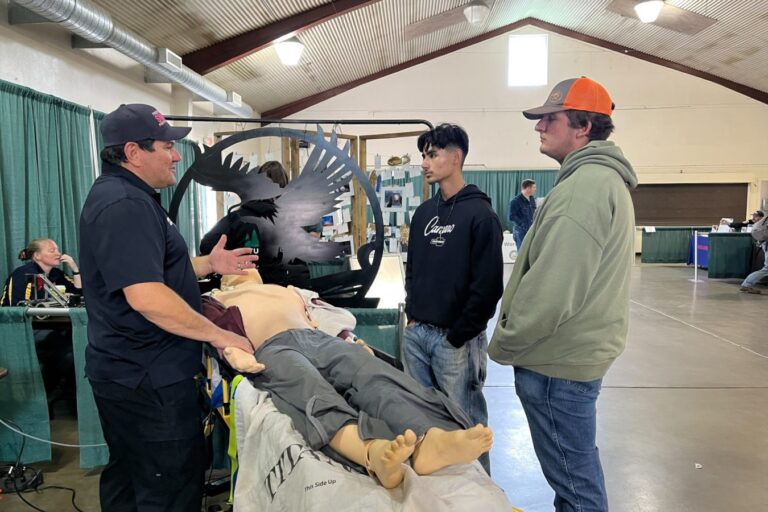
One of the biggest challenges facing the growth of AI is the persistent talent gap. The demand for skilled AI professionals far outstrips the supply, emphasizing the critical need to inspire and educate the next generation. This isn’t just about encouraging more computer science graduates; it’s about fostering a diverse pool of talent from various backgrounds, ensuring that AI development is inclusive and representative of the global population it serves. Initiatives aimed at introducing AI concepts to students at an early age, supporting women and underrepresented minorities in STEM, and providing accessible online learning platforms are vital components of this effort. Just as grassroots movements can inspire young minds to explore fields like aviation, similar efforts are essential to ignite passion for Artificial Intelligence careers.
Mentorship programs, hackathons, and open-source contributions play a significant role in nurturing nascent talent. Providing opportunities for hands-on experience and real-world problem-solving can demystify AI and make it feel more accessible. Furthermore, the importance of continuous learning cannot be overstated in this field. AI professionals must constantly update their skills, staying abreast of new research, tools, and best practices. Online courses, certifications, and advanced degrees in specialized areas like deep learning or reinforcement learning are common pathways for upskilling and reskilling.
For those inspired to pursue Artificial Intelligence careers, adaptability and a growth mindset are perhaps the most valuable assets. The technological landscape of AI is a dynamic one, where yesterday’s cutting-edge might be today’s standard. A willingness to learn, unlearn, and relearn is not just beneficial, but essential. Whether you’re a seasoned developer, a data enthusiast, an ethical philosopher, or a creative problem-solver, there’s a place for you in the AI revolution. The future of AI will be shaped by diverse perspectives and collaborative efforts, fostering innovations that will continue to redefine our world.
As we look ahead, the trajectory of Artificial Intelligence careers promises continued expansion and diversification. We are only just beginning to scratch the surface of what AI can achieve, and with each breakthrough comes new opportunities for professionals to contribute meaningfully. From the fundamental research that propels us forward to the ethical frameworks that ensure responsible progress, every role plays a vital part in shaping this powerful technology for the benefit of all.
Whether your passion lies in crafting intricate algorithms, deciphering complex datasets, designing user-centric AI applications, or advocating for ethical AI governance, the field of artificial intelligence offers a pathway. It’s a call to innovation, a challenge to solve some of the world’s most pressing problems, and an invitation to be part of a future where intelligence augments human potential. The time to explore and engage with Artificial Intelligence careers is now, and I encourage every aspiring innovator to find their unique branch in this incredible technological tree.