
In an era defined by rapid technological advancement, particularly in artificial intelligence, the landscape of work is undergoing a profound transformation. As an AI specialist and fervent observer of this evolution, I often ponder the critical question: how do we adequately prepare the next generation for roles that may not even exist yet? The traditional models of education, while foundational, are increasingly challenged to keep pace with the dynamic demands of industry. This growing chasm between academic learning and real-world application underscores the urgent need for innovative educational strategies that prioritize practical skills, critical thinking, and adaptability.
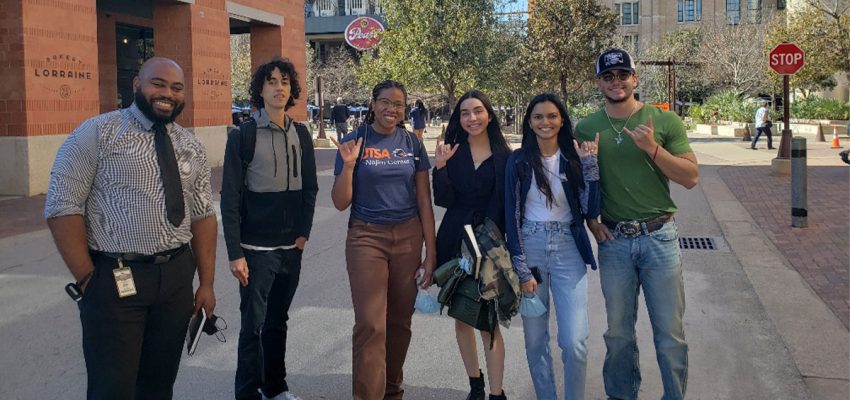
It is within this context that the recent announcement from UT San Antonio (UTSA) resonates with such significance. UTSA is not merely adapting; it is leading. The institution is set to receive the esteemed 2025 Star Award for its groundbreaking Najim Strategist Program, a hands-on, project-based learning opportunity that epitomizes the forward-thinking approach our educational systems desperately need. This statewide recognition isn’t just an accolade for UTSA; it’s a testament to a philosophy that recognizes the profound importance of experiential learning in forging future-ready professionals. As we delve into the intricacies of this award-winning initiative, we’ll explore how UTSA is not just educating students, but strategically equipping them to navigate and shape the complex professional world of tomorrow, a world increasingly intertwined with the capabilities of AI.
Career Readiness Programming: A New Paradigm for Higher Education
The concept of career readiness programming has evolved significantly from merely helping students write resumes or practice interview skills. Today, it encompasses a holistic approach aimed at developing a comprehensive suite of competencies, attitudes, and experiences that enable graduates to thrive in a competitive and ever-changing job market. This includes not only technical proficiency but also crucial soft skills such as problem-solving, critical thinking, communication, collaboration, and adaptability. In an age where artificial intelligence is automating routine tasks and redefining job functions, these uniquely human attributes are becoming more valuable than ever before. Universities are now tasked with the challenge of creating environments where these skills can be nurtured and honed through practical application, moving beyond theoretical knowledge alone.
UT San Antonio’s Najim Strategist Program stands as a shining example of this new paradigm. It’s a testament to the belief that true preparedness comes from doing, not just knowing. The program’s design, emphasizing hands-on, project-based learning, directly addresses the demands of employers who consistently report a gap between the skills graduates possess and the skills required in the workplace. According to a 2023 report by the National Association of Colleges and Employers (NACE), employers highly value problem-solving skills, the ability to work in teams, and written communication—all core components fostered by experiential learning models like the Najim Program. This isn’t just about getting a job; it’s about building a foundation for a successful and adaptable career trajectory, a journey that will undoubtedly involve continuous interaction with advanced technologies and AI-powered tools.
The 2025 Star Award, a prestigious statewide recognition, underscores the profound impact and innovative nature of UTSA’s approach. While the specifics of the Star Award criteria are typically rigorous, they often evaluate programs based on their demonstrated effectiveness in student outcomes, innovation in design, scalability, and impact on the community. For UTSA to receive such an honor speaks volumes about the program’s success in meeting and exceeding these benchmarks. It validates the university’s commitment to moving beyond traditional academic offerings to provide truly transformative educational experiences. This recognition places UTSA at the forefront of higher education institutions that are actively addressing the future of work, setting a benchmark for effective career readiness programming across the state and potentially beyond.
The Najim Strategist Program: Cultivating Future-Ready Professionals
At the heart of UTSA’s celebrated initiative is the Najim Strategist Program, a brainchild of strategic vision and philanthropic generosity. Named after prominent San Antonio entrepreneur and philanthropist Harvey Najim, who has been a consistent advocate for education and workforce development, the program embodies his commitment to empowering the next generation. It’s more than just a course; it’s an immersive experience designed to bridge the chasm between academic theory and practical application. Students are placed in real-world scenarios, often collaborating with local businesses, non-profits, or university departments, to tackle genuine challenges. This unique structure allows them to apply their classroom knowledge to tangible problems, fostering a deeper understanding and developing practical expertise that textbooks alone cannot provide.
Imagine a student, perhaps studying marketing or data analytics, being tasked with developing a social media strategy for a nascent startup, or analyzing market trends for a community development project. These aren’t hypothetical exercises; they are live projects with real stakeholders and real consequences. Through this process, participants learn not only the technical aspects of their field but also invaluable professional skills: how to manage project timelines, work effectively in diverse teams, communicate complex ideas to non-technical audiences, and adapt to unforeseen challenges. They gain hands-on experience with project management methodologies, data analysis tools, and communication platforms that are standard in today’s professional environment.
The program also emphasizes mentorship. Students often work under the guidance of faculty, industry experts, or seasoned professionals who provide invaluable feedback and insights. This mentorship component is critical for professional development, offering students access to networks and wisdom that might otherwise take years to acquire. It cultivates a sense of professional identity and helps students envision their place in various industries. The Najim Strategist Program essentially functions as a professional incubator, allowing students to experiment, learn from mistakes in a supportive environment, and build a portfolio of tangible accomplishments that far outweigh a list of course credits. This focus on building a robust skillset and practical experience is what truly sets this form of career readiness programming apart, making graduates not just qualified, but highly competitive.
Beyond the Classroom: Why Hands-On Learning is the Future in an AI Era
The ongoing revolution in artificial intelligence presents both unprecedented opportunities and significant challenges for the global workforce. As AI systems become more sophisticated, capable of performing complex tasks with increasing efficiency, the demand for skills that machines cannot easily replicate intensifies. This includes creativity, emotional intelligence, critical ethical reasoning, complex problem-solving, and the ability to collaborate effectively with intelligent systems. In this context, hands-on learning models, exemplified by programs like UTSA’s Najim Strategist Program, are not just beneficial; they are essential for preparing students for the future of work.
Traditional education, with its emphasis on rote memorization and theoretical understanding, often falls short in developing these crucial human-centric skills. Experiential learning, on the other hand, inherently fosters them. When students are faced with a real-world problem, they must think critically, collaborate with peers, innovate solutions, and communicate their findings persuasively. These are precisely the skills that will differentiate human professionals in an AI-augmented workplace. Moreover, familiarity with project management tools and methodologies, gained through such programs, ensures that graduates are well-versed in the operational aspects of modern business, ready to integrate seamlessly into a team that might utilize AI for data analysis, task automation, or content generation.
From my perspective as an AI specialist, I see this synergy as vital. The future workforce won’t just be about individuals competing against AI; it will be about humans collaborating with AI to achieve unprecedented levels of productivity and innovation. Programs that promote practical problem-solving and interdisciplinary teamwork are building the bridge to this future. They teach students how to identify problems that AI can help solve, how to interpret AI-generated insights, and how to apply human judgment to AI-driven decisions. This proactive approach to career readiness programming ensures that students are not merely observers of the AI revolution but active participants and leaders within it. They learn how to leverage technology as a tool, rather than being replaced by it, making them indispensable assets in any organization.
Furthermore, the agility and adaptability cultivated through project-based learning are paramount in a rapidly changing technological landscape. New AI models and tools emerge with dizzying speed. A graduate who has learned how to quickly grasp new concepts, troubleshoot problems on the fly, and adapt their strategies based on real-time feedback will be far better equipped than one whose knowledge base is purely static. The Najim Strategist Program, by immersing students in dynamic, evolving projects, inherently fosters this kind of intellectual agility, preparing them not just for their first job, but for a lifetime of learning and adaptation in a world increasingly shaped by intelligent machines.
Conclusion
The 2025 Star Award for UT San Antonio’s Najim Strategist Program is more than just an institutional accolade; it’s a beacon signaling a path forward for higher education globally. In a world where the future of work is being constantly reshaped by artificial intelligence and other technological advancements, the imperative to equip students with practical, adaptable, and human-centric skills has never been more urgent. UTSA’s commitment to hands-on, project-based learning through this program is not just a response to current industry needs, but a proactive step towards cultivating a workforce capable of innovating, leading, and thriving in the complex professional landscapes of tomorrow.
As we, the AI community and tech enthusiasts, continue to push the boundaries of what’s possible, it is heartening to see educational institutions like UT San Antonio investing so deeply in effective career readiness programming. Their approach ensures that the human element remains at the core of progress, fostering the creativity, critical thinking, and collaborative spirit that will define successful careers in an AI-augmented future. The Najim Strategist Program is a testament to the power of forward-thinking education, proving that by bridging the gap between academia and industry, we can empower students to not only navigate the future but actively build it.