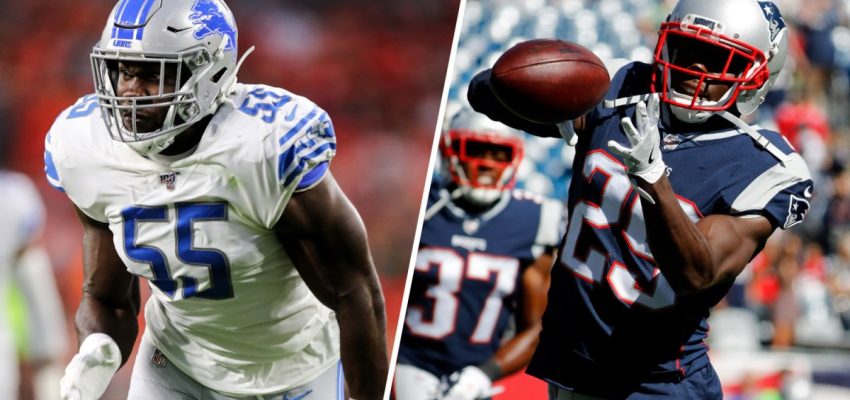

The roar of the crowd, the blinding stadium lights, the adrenaline surge of a crucial play—these are the defining moments for an NFL player. For many, this dream job represents the pinnacle of athletic achievement, a life of unparalleled intensity and public adoration. Yet, beneath the surface of this high-octane existence lies a unique challenge, one that every professional athlete must eventually confront: what happens when the final whistle blows on their playing days? For a significant number of these gridiron titans, the transition from professional athlete to everyday civilian is anything but straightforward. It’s a complex journey marked by physical recovery, psychological adjustment, and the often-daunting task of redefining identity and purpose outside the arena.
This isn’t merely a change of profession; it’s a fundamental shift in lifestyle, routine, and self-perception. The average NFL career spans a mere 3.3 years, a stark contrast to the decades most professionals spend in their chosen fields. This brevity means many players are still in their mid-20s or early 30s when their athletic careers conclude, facing a vast expanse of life ahead with a highly specialized skill set that doesn’t directly translate to most conventional job markets. The support structures and strategic frameworks available to help these individuals navigate this profound transition are not just beneficial; they are essential. In this article, we’ll delve into the intricacies of this pivotal moment, exploring the significant hurdles players face and spotlighting the invaluable resources, such as the NFL Player Care Foundation, that are helping former stars build fulfilling and sustainable post-football careers. As someone deeply immersed in the world of technology and the strategic optimization of complex systems, I find the human element of these transitions profoundly compelling—a true testament to adaptability and resilience.
Post-Football Careers: The Unseen Transition and Its Unique Challenges
The glamour of NFL stardom often overshadows the immense pressures and sacrifices inherent in the sport. Beyond the physical toll of collisions and relentless training, players often face a formidable array of mental and emotional challenges when their playing days conclude. Imagine a life where your identity is inextricably linked to your profession, where every aspect of your routine—from diet and exercise to travel and social interactions—revolves around peak physical performance. Then, almost overnight, that structure vanishes. This sudden void can trigger an acute identity crisis, as individuals grapple with who they are without the jersey and helmet. The emotional withdrawal from the camaraderie of a team and the energy of thousands of fans can be profound, leaving many feeling isolated and adrift.
Financially, the picture is equally complex. While top-tier NFL contracts make headlines, the reality for many players is more modest. The average NFL salary, while substantial, must be spread across a lifetime, often starting at a young age with little financial literacy education. According to various reports, a significant percentage of former professional athletes face financial difficulties or even bankruptcy within a few years of retirement. This isn’t just due to lavish spending, but often a lack of long-term financial planning, susceptibility to bad investments, and the sudden cessation of a high income stream. Injuries, too, play a significant role. The brutal nature of American football means many players retire with chronic pain, requiring ongoing medical care that can deplete savings, especially if not adequately covered by health insurance post-NFL. The long-term effects of concussions and repetitive head trauma, now widely understood as Chronic Traumatic Encephalopathy (CTE), cast a long shadow, posing significant health and cognitive challenges for many former players, adding another layer of complexity to their ability to pursue new endeavors.
Furthermore, the highly specialized skills developed on the football field, while incredible for athletic competition, rarely translate directly into conventional corporate or entrepreneurial roles. The strategic thinking required to read a defense, the leadership demonstrated in the huddle, or the resilience forged through grueling training can certainly be transferable, but often require intentional development and re-framing for a new context. This skills gap, combined with a potential lack of professional networking outside the sports bubble, can make the job market a particularly daunting landscape. The cultural shift is also immense; from a highly structured, performance-driven environment with clear goals and immediate feedback, players enter a world that can feel ambiguous, slow-paced, and less overtly competitive. Recognizing and addressing these multifaceted challenges is the critical first step in building a robust framework for successful post-football careers.
The Player Care Foundation: A Blueprint for a Second Act
Understanding the unique and often harrowing transition faced by former NFL athletes, organizations have stepped up to provide crucial support. Among the most prominent and impactful is the NFL Player Care Foundation (PCF). Established in 2007, the PCF is a non-profit organization dedicated to assisting retired NFL players in a myriad of ways, ranging from medical and financial assistance to mental health support and career development. It represents a significant evolution in how professional sports leagues address the welfare of their alumni, moving beyond mere recognition to proactive, comprehensive care. The foundation’s philosophy is rooted in the understanding that the investment made by players during their careers deserves continued support long after they leave the gridiron.
The PCF operates through several key pillars, designed to address the diverse needs of former players. One vital component is its health and wellness initiatives. This includes offering free health screenings, mental health resources, and assistance with medical expenses. Given the high incidence of injuries and the growing awareness of long-term neurological conditions like CTE, providing accessible healthcare is paramount. These programs aim not only to treat existing conditions but also to educate players on preventative measures and healthy living post-retirement. Furthermore, the PCF provides a critical safety net through financial assistance for those facing unforeseen hardships, helping with housing, utilities, and other essential needs during times of crisis. This type of direct support can be a lifeline, preventing deeper financial distress and allowing players to focus on rebuilding.
Crucially for the cultivation of post-football careers, the PCF offers extensive career development and educational programs. This aspect is perhaps where the foundation truly empowers players to forge new identities and professional paths. These initiatives include:
- Networking Opportunities: Connecting former players with business leaders, mentors, and fellow alumni who have successfully transitioned into new fields. This social capital is invaluable, opening doors that might otherwise remain closed.
- Educational Grants and Scholarships: Supporting players who wish to return to school, whether to complete a degree, pursue vocational training, or acquire new certifications. This investment in continuous learning is critical for adapting to an ever-changing job market.
- Career Counseling and Skill Translation Workshops: Helping players identify their transferable skills—leadership, teamwork, discipline, strategic thinking, resilience—and articulate them effectively for new industries. These workshops provide practical tools for resume building, interview preparation, and job searching strategies.
- Entrepreneurship Support: Guiding those with an entrepreneurial spirit through the complexities of starting and running a business, often leveraging their existing public profile and network.
By offering this multi-faceted support, the NFL Player Care Foundation doesn’t just provide a safety net; it provides a springboard. It acknowledges that the journey doesn’t end with retirement, but rather begins a new chapter, one that requires strategic planning, continuous learning, and a robust support system. This proactive approach sets a valuable precedent for how industries can responsibly manage the welfare and continued professional development of their most dedicated contributors.
Beyond the Sidelines: Diverse Paths and Future Horizons
The narrative of the struggling athlete post-retirement is pervasive, but it’s far from the only outcome. With the right support and a proactive mindset, many former NFL players carve out incredibly successful and fulfilling post-football careers across a diverse range of industries. These success stories often highlight the innate qualities honed during their athletic primes—qualities that, when strategically reapplied, become powerful assets in the professional world.
Consider the discipline and work ethic required to excel at the highest level of professional sports. These traits are highly valued in any demanding profession, from finance and real estate to technology and public service. The ability to perform under pressure, to lead a team towards a common goal, and to adapt swiftly to changing circumstances are all direct takeaways from the football field that are immensely transferable. Many former players transition into sports broadcasting or analysis, leveraging their deep understanding of the game and their public speaking experience. Others venture into entrepreneurship, launching businesses in various sectors, from restaurants and fitness centers to tech startups. Their inherent competitive drive, combined with a network developed through their careers, often provides a significant advantage.
Moreover, the increasing emphasis on education and skill development through programs like the PCF is creating a new generation of highly capable former athletes. We see players pursuing advanced degrees in law, business administration, and even medicine. Some find their calling in coaching, mentoring younger athletes and passing on their invaluable experience. Others dedicate themselves to community work and philanthropy, using their platforms and resources to make a tangible difference in society. The key to these successful transitions lies in embracing continuous learning and being open to redefining what success means. It’s about translating the passion and intensity from the field into new avenues of purpose.
Looking ahead, the landscape of support for former athletes will likely continue to evolve, leveraging advancements in data analytics and personalized development pathways. Imagine AI-powered career matching platforms that analyze a player’s transferable skills, interests, and even psychological profiles to suggest optimal post-football careers and training programs. Or virtual reality simulations for interview practice, customized to specific industry roles. The lessons learned from supporting these athletes—about identity, transition, and sustainable success—offer valuable insights for anyone navigating significant career changes in an increasingly dynamic global economy. The ability to adapt, to reskill, and to find new purpose is a universal challenge, and the journey of these gridiron heroes provides a powerful testament to the human spirit’s capacity for reinvention.
The journey from the exhilarating highs of an NFL career to the structured pursuit of a new professional path is one filled with unique challenges, yet also immense potential. It’s a testament to the human capacity for adaptation and resilience, reflecting a broader societal need to support individuals through significant life and career transitions. While the spotlight often focuses on the athletic prowess of these players, their stories after football illuminate the profound importance of foresight, continuous development, and a compassionate, well-structured support system. Organizations like the NFL Player Care Foundation are not just providing aid; they are architecting a blueprint for successful transitions, proving that strategic intervention can transform vulnerability into opportunity.
As we witness former athletes pivot into diverse fields, from entrepreneurial ventures and media roles to community leadership and advanced professional degrees, their experiences offer valuable insights for all of us. They remind us that identity is fluid, skills are transferable, and purpose can be redefined at any stage of life. The challenges faced by retired NFL players, though unique in their intensity, echo the universal human experience of navigating change and seeking fulfillment beyond initial achievements. By investing in comprehensive support frameworks and fostering a culture of lifelong learning, we empower individuals to write compelling second acts, ensuring that the legacy of their first career serves as a foundation, not a limitation, for a future rich with new possibilities.