
The landscape of work is undergoing a seismic shift. Traditional career paths, once seen as immutable, are now subject to rapid technological evolution, automation, and the emergence of entirely new industries. In this dynamic environment, the value of adaptable, practical skills has never been more pronounced. For too long, vocational-technical education was unfairly relegated to a secondary status, often viewed as a path for those not pursuing a four-year degree. Yet, as countless economists and industry leaders now attest, skilled trades and technical professions are the very bedrock of our economy, indispensable for innovation, infrastructure, and everyday life.
It is within this context that New Jersey’s recent, substantial investment in its career education infrastructure stands out as a visionary and highly strategic move. Far from a mere expenditure, this commitment represents a profound understanding of the current and future needs of the state’s workforce and economy. As an AI specialist and keen observer of technological trends, I believe that preparing individuals with tangible skills is not just about filling today’s jobs, but about equipping them to adapt, innovate, and thrive in an increasingly complex and automated world. The early returns on this investment are already becoming strikingly clear, painting a picture of a state proactively building a resilient, skilled, and future-ready population.
### New Jersey career education: A Strategic Investment for the Future
The notion that a four-year university degree is the only valid path to a successful career has been rigorously challenged by the realities of the 21st-century job market. While higher education remains invaluable for many disciplines, an alarming skills gap has emerged across various high-demand sectors, from advanced manufacturing and renewable energy to healthcare and IT. Employers routinely report difficulties finding candidates with the specific technical proficiencies needed to drive their businesses forward. This disconnect not only hinders economic growth but also leaves countless individuals struggling to find meaningful employment despite the abundance of available jobs.
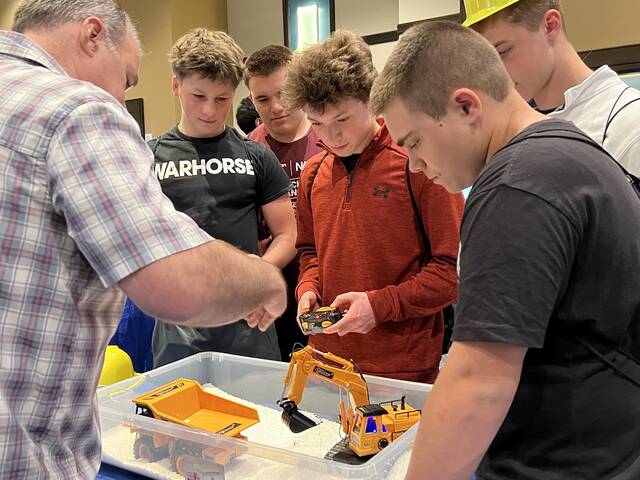
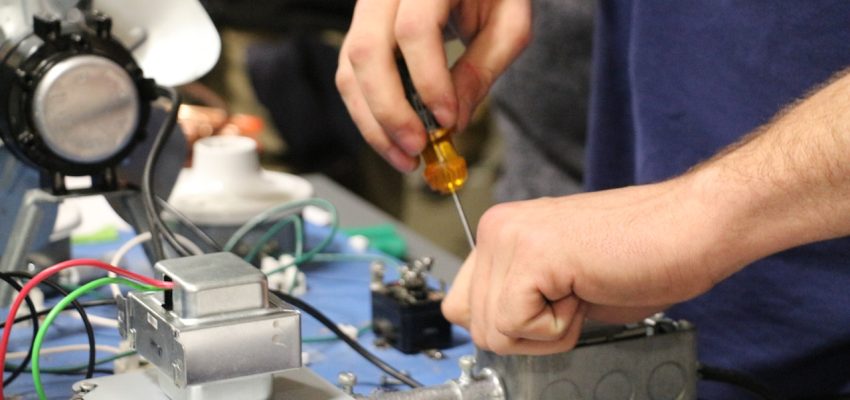
Recognizing this critical need, New Jersey embarked on a comprehensive initiative to revitalize and expand its vocational-technical schools. This wasn’t merely a budgetary allocation; it was a re-imagining of what these institutions could be. The investment has encompassed several key areas designed to modernize facilities, update curricula, and forge stronger links with local industries. State funds have been channeled into state-of-the-art equipment that mirrors what students will encounter in professional settings, ensuring that their training is relevant and hands-on. Furthermore, there’s been a concerted effort to attract and retain highly qualified instructors, many of whom bring extensive industry experience directly into the classroom. The strategic foresight behind this commitment to **New Jersey career education** is about more than just filling job vacancies; it’s about cultivating a culture of lifelong learning and practical mastery that benefits individuals and the state as a whole. By focusing on programs that directly address identified workforce shortages, New Jersey is not only providing pathways to stable, well-paying jobs but also creating a robust talent pipeline that will attract new businesses and industries to the region, further stimulating economic development.
### Building Tomorrow’s Workforce, Today: The Tangible Returns
The impact of New Jersey’s enhanced focus on career education is multi-faceted, yielding benefits for students, employers, and the broader state economy. For students, these revamped vocational-technical schools offer an invaluable alternative to the traditional college route. Many programs are structured to provide credentials, certifications, or even associate degrees in two years or less, allowing graduates to enter the workforce quickly and often with significantly less student debt than their university-bound peers. Consider a student emerging from a program in cybersecurity or advanced manufacturing with industry-recognized certifications; they are immediately competitive in a market hungry for their skills, often commanding impressive starting salaries. This early entry into a career, coupled with practical expertise, fosters financial independence and allows individuals to start building wealth and contributing to the tax base sooner.
Moreover, the nature of these programs – emphasizing hands-on learning, problem-solving, and real-world application – often translates into higher job satisfaction and lower rates of unemployment within specific skilled trades. Data from various national studies consistently shows that graduates of career and technical education (CTE) programs often earn comparable, if not higher, wages than many four-year college graduates, especially in fields like plumbing, electrical work, welding, and specialized IT support. For instance, a recent report by Georgetown University’s Center on Education and the Workforce indicated that roughly 30% of workers with a high school diploma or less, who have a vocational certificate, earn more than the average bachelor’s degree holder. New Jersey is wisely tapping into this potential, creating a more diverse and resilient set of career options for its youth.
Employers, on the other hand, are reaping the rewards of a more robust and accessible talent pool. Industry partnerships are a cornerstone of many modern vocational programs, where businesses actively contribute to curriculum design, offer internships, and provide mentorship. This collaborative approach ensures that graduates are not just generally skilled but possess the precise competencies demanded by specific local industries. For a manufacturing plant in Central Jersey or a healthcare facility in the northern part of the state, having a reliable pipeline of locally trained technicians, nurses, or electricians significantly reduces recruitment costs, training overheads, and the time it takes to get new hires up to speed. This synergy between education and industry creates a virtuous cycle, where well-trained students meet the needs of growing businesses, fostering innovation and economic expansion across the state.
### Beyond the Classroom: Fostering Innovation and Inclusivity
The benefits of a strong New Jersey career education system extend far beyond individual job placement and immediate economic returns. These institutions are increasingly becoming centers of innovation, fostering a culture of practical problem-solving and collaboration. As students work on projects that mimic real-world challenges, they learn not only technical skills but also critical thinking, teamwork, and adaptability – soft skills that are invaluable in any profession, particularly in rapidly evolving technological fields. Moreover, the dynamic interaction between industry partners and vocational schools often sparks new ideas and approaches, creating a fertile ground for local economic development.
Furthermore, this investment plays a crucial role in promoting inclusivity and equitable access to opportunities. Career education programs often serve diverse student populations, including those from economically disadvantaged backgrounds, non-traditional learners, and individuals seeking to reskill or upskill in mid-career. By offering accessible, affordable, and high-quality training, these schools open doors to stable and prosperous futures that might otherwise be out of reach. They provide clear pathways out of poverty, empower individuals to become self-sufficient, and contribute to a more equitable distribution of economic prosperity across the state. This inclusive approach is vital for building a truly resilient society, ensuring that economic growth benefits all segments of the population.
In an era where technology, especially artificial intelligence, is reshaping industries at an unprecedented pace, the ability to rapidly acquire and apply new practical skills will be paramount. Future workforces will require individuals who are not only familiar with new tools but also adept at problem-solving and adapting to evolving demands. By investing strategically in its career and technical education system, New Jersey is not only addressing today’s skills gaps but also preparing its citizens for the unknown challenges and opportunities of tomorrow. It’s creating a nimble, adaptable workforce capable of embracing technological change rather than being displaced by it.
The early successes of New Jersey’s renewed commitment to career education serve as a powerful testament to the value of strategic investment in practical skills development. The returns are not just measured in economic figures, but in the countless lives transformed, the vibrant industries strengthened, and the future potential unlocked for the entire state. As New Jersey continues to navigate the complexities of the 21st century, its forward-thinking approach to vocational-technical education will undoubtedly solidify its position as a leader in workforce development and economic resilience.
This visionary investment is more than just a momentary boost; it is a fundamental shift in educational philosophy, recognizing that a diverse array of pathways leads to prosperity. The continuing evolution of career education, particularly in New Jersey, will be a fascinating narrative to follow, demonstrating how targeted, intelligent investment in human capital can lay the groundwork for a prosperous and equitable future for all its residents.